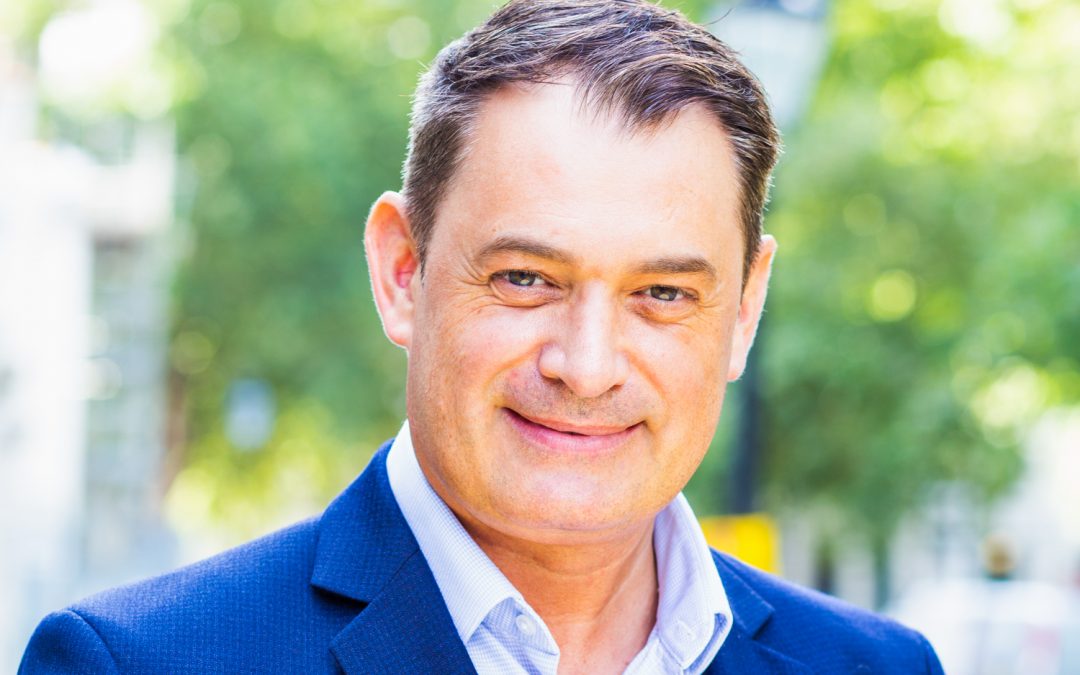
The camera notices details you barely register in the mirror. A jacket that feels smart can suddenly look bulky. A lovely blouse can turn transparent under studio lighting. And a colour you wear every day might pull attention from your face rather than towards it. That is why choosing the best outfits for business headshots is less about dressing up and more about dressing with purpose.
A strong business headshot should feel like you on your best day – polished, approachable and credible. What you wear plays a large part in that. The right outfit supports your expression, your posture and the impression you want to give. The wrong one can make an otherwise excellent image feel distracting or uncertain.
What the best outfits for business headshots actually do
Good headshot styling is not about chasing fashion. It is about helping the viewer focus on your face first, then reading the rest of the image as professional and considered. That usually means simple lines, flattering fit and colours that work with your skin tone rather than competing with it.
There is also a practical side. Business headshots are often cropped quite closely, so only the top half of your outfit may be visible. Necklines, collars, lapels and sleeve shape matter more than full-length styling. Texture can add depth, but too much pattern can look busy. Jewellery can add personality, but oversized pieces can become the main event.
The best choice depends on where the photograph will be used. A LinkedIn profile, company website and speaking bio may all need a slightly different level of formality. A solicitor, consultant or finance director may want something more structured and traditional. A creative founder or wellness professional might suit a softer, more relaxed look. Neither is better. The key is alignment.
Start with the image you want to project
Before choosing clothes, decide what the photograph needs to say. For most professionals, the answer sits somewhere between competent, warm and trustworthy. For others, it may be authoritative, polished and senior. If you run your own business, you may want to appear both expert and approachable.
This is where many people overcomplicate things. They either dress far more formally than they ever would in real life, or choose something so casual that the image loses polish. The sweet spot is usually one step smarter than your everyday working wardrobe. You should still recognise yourself.
If you are updating headshots for a corporate team, consistency matters too. That does not mean everyone in identical navy blazers. It means a shared level of formality and a complementary colour palette so the team looks cohesive without looking staged.
Colours that tend to photograph best
In most cases, solid colours are the safest and strongest option. Mid-tones and deeper shades usually work beautifully because they frame the face without stealing attention. Navy, charcoal, soft black, forest green, burgundy, camel and muted blue are all reliable choices.
Pure white can be tricky, especially under bright lighting, because it can reflect too much light and lose detail. Very pale pastels can also wash some people out. On the other hand, very bright colours such as neon pink, vivid orange or electric green can dominate the image. If a bold colour is part of your personal brand, it can absolutely work, but it needs to be used with care.
Black can be elegant and powerful, though it is not universally flattering. On some people it looks crisp and refined. On others it can feel heavy, particularly in a tightly cropped headshot. Softening black with a textured fabric, an open neckline or a lighter jacket can help.
Skin tone matters here. Warmer complexions often suit earthy tones and rich neutrals. Cooler complexions can look excellent in jewel tones, slate blue and cool greys. If there is a colour people often compliment you in, that is usually a strong clue.
The most flattering outfit shapes for headshots
Fit matters more than price tag. A beautifully cut high street jacket will nearly always photograph better than an expensive piece that pulls at the buttons or sits awkwardly on the shoulders.
For business portraits, structure is your friend. Blazers, tailored shirts, elegant knitwear and well-cut dresses tend to give shape and clarity to the frame. Collars and lapels can work particularly well because they create clean lines around the face. V-necks, open collars and simple round necks are all flattering, depending on your shape and style.
What usually works less well is anything overly loose, creased or clingy. Bulky fabrics can add visual weight. Very thin material can show every fold. Busy ruffles, oversized sleeves or dramatic neck details can distract from your expression.
A good rule is to choose clothes that skim rather than squeeze, and that feel comfortable when you sit and stand. If you are adjusting the outfit every few seconds, that discomfort often shows in the photographs.
Best outfits for business headshots by profession
A corporate professional will usually do well in a blazer, jacket or smart dress with a clean neckline. This reads as polished and dependable without feeling stiff. A tie can work well for some industries, though it is no longer essential in many business settings.
For entrepreneurs and small business owners, there is often a little more freedom. A smart jacket over a fine knit, a crisp shirt without a tie, or a well-cut blouse can all strike the right balance. The goal is to look established but still like yourself.
Creatives, consultants and personal brand clients can often lean into softer tailoring, richer textures and slightly more personality in colour. The image still needs to look professional, but not necessarily corporate. A beautifully fitted knit, an elegant dress or a contemporary jacket can all work brilliantly.
If your role is client-facing, ask whether the outfit helps people feel at ease with you. Warmth matters just as much as polish.
Patterns, accessories and the small details
Small patterns often cause trouble on camera. Fine stripes, tiny checks and intricate prints can shimmer or look cluttered. Larger, simpler patterns can work, but plain fabrics are usually more dependable.
Accessories should support the image, not compete with it. A simple necklace, understated earrings or a classic watch can be lovely. Huge statement jewellery, novelty cufflinks or anything noisy and reflective can become distracting very quickly.
Glasses are absolutely fine if you wear them regularly and they are part of how people recognise you. Just make sure they are spotless. The same goes for shoes and belts if they will be visible, though in many headshots they will not matter at all.
Grooming deserves the same thoughtful approach. Freshly pressed clothing, tidy collars and lint-free fabrics make a real difference. If you colour your hair, it is worth timing your session so roots are not bothering you. Little things have a way of becoming big things once photographed.
How many outfit options should you bring?
If your session allows for more than one look, two or three options are ideal. Bring variety rather than near-duplicates. For example, one more formal outfit, one softer or more relaxed option, and perhaps a third with a different colour or neckline. That gives useful choice without creating decision fatigue.
It helps if each outfit says something slightly different. One might be perfect for LinkedIn, another for your website, and another for press features or speaking engagements. If everything looks almost the same, there is less point changing.
A photographer with portrait experience can usually advise quickly on what is working best on camera. At Henrietta Photography, that guidance is often part of making the process feel calm and straightforward rather than guesswork-heavy.
What to avoid, gently
Logos are rarely a good idea unless they are very subtle and relevant to the image use. Slogans, heavily branded fashion and novelty prints date quickly and pull focus.
Very trendy pieces can also be limiting. If you want your headshot to last, aim for modern rather than fashion-led. A clean, well-fitted classic will usually outlive a seasonal statement piece.
It is also wise to avoid anything you have never worn before. Headshot day is not the moment to test an awkward neckline, a jacket that creases oddly, or shoes that make you stand strangely. Confidence photographs beautifully, and familiarity helps confidence.
The best outfits for business headshots are the ones that let your face, expression and presence do the work. Clothes should frame you, not perform for you. If you feel comfortable, well put together and appropriately dressed for your role, that tends to show immediately.
A final test can help. Put the outfit on, stand in front of a mirror and ask one simple question: would a client, colleague or employer look at this and feel reassured? If the answer is yes, you are probably very close to the right choice.