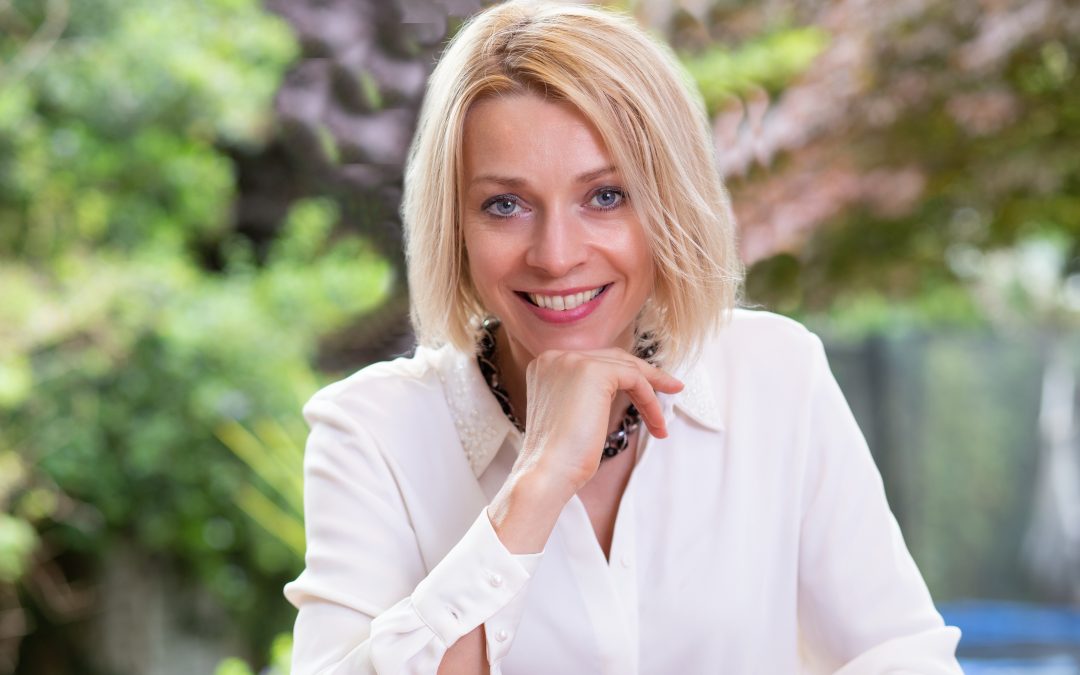
Your profile photograph is often seen before you have said a word. Whether it appears on LinkedIn, a company website, an email signature or a speaker biography, it gives people an instant sense of how you work and what it might be like to meet you. The most useful professional profile photo tips are not about looking overly formal or unlike yourself. They are about creating a clear, current and confident portrait that feels appropriate for the work you do.
A strong business portrait should make a prospective client, colleague or recruiter feel that you are credible, approachable and ready for the role. That can look very different for a solicitor, a creative director, a consultant or a founder. The aim is not to copy someone else’s photograph, but to make considered choices that support your own professional presence.
Start with the job your photograph needs to do
Before choosing an outfit or booking a session, think about where the image will be used. A LinkedIn profile, corporate team page and personal consultancy website may all need a polished portrait, but the tone can vary. A senior leader in a traditional sector may suit a more structured, formal look, while an entrepreneur or designer may want a little more personality in the styling and setting.
Ask yourself what you would like someone to understand within a few seconds of seeing the image. Perhaps it is calm authority, warmth, creativity or straightforward expertise. This gives the photographer a useful brief and makes every later decision easier, from background colour to how much of your body is shown in the frame.
It is also worth being realistic about your audience. A photograph for a professional services firm does not need to look stiff, but it probably should not feel like a holiday snapshot. Equally, an informal portrait can still be beautifully lit and carefully composed. Professional does not have to mean impersonal.
Professional profile photo tips for choosing what to wear
Clothes should support your face rather than compete with it. For most professional profile photos, solid colours work particularly well because they keep the attention where it belongs. Navy, charcoal, soft blue, forest green, burgundy and warm neutrals can all photograph beautifully, depending on your colouring and the planned backdrop.
Very bright white can sometimes reflect light upwards onto the face, while all-black clothing may lose detail against a dark background. Neither is automatically wrong, but both need thoughtful lighting. If you are unsure, bring two or three options to the shoot. A photographer can quickly advise which one works best on camera.
Avoid very small checks, tight stripes, large logos and highly reflective fabrics. They can distract from your expression or date the image more quickly than a simple, well-fitted jacket, blouse, knitwear or shirt. Fit matters more than a particular dress code. Clothing that pulls at the buttons, bunches at the shoulders or feels uncomfortable will show in your posture.
For those who usually wear glasses, wearing them in the photograph is often the right choice. They are part of how people recognise you. Make sure the lenses are clean, and let the photographer know in advance so they can manage reflections through lighting and positioning.
Prepare for the camera, not for a different face
The goal is to look like yourself on a particularly good day. That means avoiding drastic changes immediately before the session, such as a brand-new haircut, an unfamiliar skincare treatment or experimental make-up. A little preparation goes a long way: get a good night’s sleep where possible, drink water, and allow enough time so you do not arrive flustered.
For make-up, a polished version of your usual look is generally more effective than something heavy or unfamiliar. Camera lighting can soften facial definition, so a touch more structure around the eyes and brows can be helpful, but skin should still look like skin. If you work with a make-up artist, explain that the image is for a professional portrait rather than an evening event.
Men may wish to shave or tidy facial hair shortly before the session, depending on how quickly their beard grows. Bring lip balm if you use it, and consider a small hairbrush or comb for last-minute adjustments. These are modest details, yet they help you settle into the session knowing you are ready.
Expression is more important than a perfect smile
Many people worry that they are not photogenic. Usually, they simply have not spent much time being professionally directed. Holding a smile for too long feels unnatural, and trying to recreate an expression from a favourite photo can make anyone self-conscious.
A good portrait session gives you time to relax into the process. The photographer will adjust your position, guide your eyeline and talk to you, rather than expecting you to arrive with a practised pose. Small changes make a surprising difference: lowering the shoulders, bringing the chin slightly forward, turning one side of the face towards the light or allowing a smile to develop naturally.
Your expression should suit the purpose of the image. A broad smile can be ideal for a client-facing business or an energetic founder, while a softer, more composed expression may better suit a senior corporate profile. It depends on your role and personality. The best result is often one that feels open and confident rather than relentlessly cheerful.
Pay attention to posture and framing
Most profile photographs are viewed at a small size, especially on a mobile phone. Your face needs to be clear, well-lit and comfortably framed. A close head-and-shoulders crop is usually the most versatile choice for professional platforms, although a half-length image can offer more space for body language and clothing.
Standing or sitting slightly at an angle tends to look more natural than facing the camera square-on. Keep your weight balanced and your shoulders relaxed. The camera can exaggerate tension, so avoid gripping your hands or lifting your shoulders towards your ears. If hands are included in the frame, they should have a simple, natural purpose rather than becoming the focus.
Background matters too. A plain studio backdrop creates a timeless, adaptable result and works well across many business uses. An office, outdoor London setting or textured interior can add context, but it should not be so busy that it competes with you. Think about where the photograph will sit on the page and whether the background supports the message you want to send.
Choose a photographer who can direct you
A professional profile photo is not just about the camera or the backdrop. It is about having someone who understands portrait lighting, knows how to make small refinements, and can put you at ease. This is particularly valuable if being photographed is not something you enjoy.
Look for a photographer whose portfolio has a consistent standard but still allows each person to look individual. You want flattering light and good retouching, of course, but not an image that has been smoothed and altered until it no longer looks like you. Professional retouching should remove temporary distractions, such as a stray hair or blemish, while keeping your features and character intact.
If you are arranging photographs for a team, consistency becomes even more important. Matching backgrounds, lighting and framing make a company website feel considered, while gentle direction helps every team member look comfortable. At Henrietta Photography, the focus is on creating polished business portraits in a relaxed, personal setting, so clients leave with images that feel both professional and recognisably their own.
Keep your photograph current
A profile photo should represent the person someone will meet. If your hair, glasses, style or role has changed noticeably, it is probably time for an update. For many professionals, refreshing a headshot every two or three years is sensible, though a new role, promotion, rebrand or speaking opportunity may call for one sooner.
Keep the final files organised and save a high-resolution version as well as web-sized copies. Different platforms crop images differently, so it is useful to have a few approved options rather than relying on one tightly cropped file. Consistency across your professional channels makes you easier to recognise and gives your personal brand a more considered feel.
The right profile photograph should not ask people to admire the picture. It should quietly help them see you as you want to be seen: capable, approachable and ready for the conversation that follows.