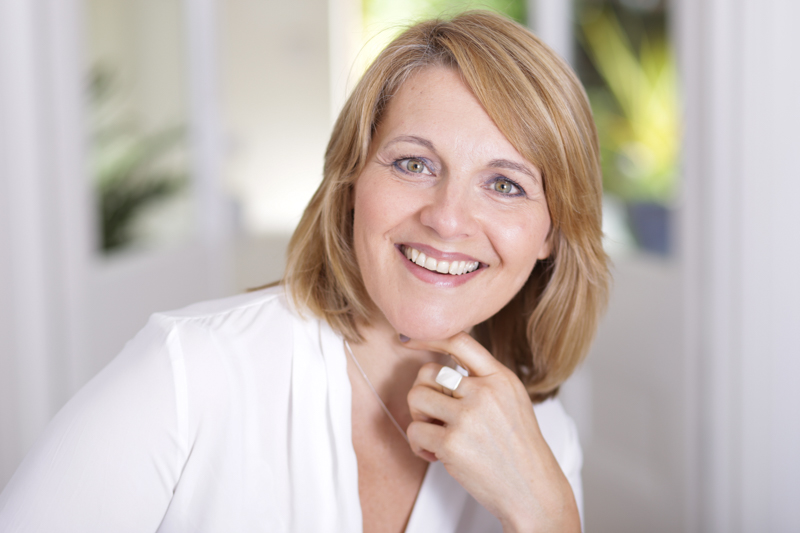
You can be excellent at what you do and still be overlooked if your photo suggests otherwise. That is why clients often ask, what is a business headshot, and do I really need one? The short answer is yes, if your work involves trust, visibility or first impressions. A business headshot is a professional photograph of you, created to present you clearly, confidently and credibly in a work context.
It is not just a nice picture of your face. It is a practical branding tool. Used well, it helps people feel they already know something about you before you ever meet.
What is a business headshot, exactly?
A business headshot is a professional portrait, usually framed from the chest or shoulders upwards, designed for business use. You might use it on LinkedIn, your company website, speaking profiles, press features, proposals, social media or marketing materials. Its job is to show you as approachable, capable and polished.
That sounds simple, but there is a great deal of intention behind a good one. The lighting, expression, background, clothing and cropping all work together to support the impression you want to give. A solicitor may need to look composed and authoritative. A creative founder may want something a little more relaxed and modern. A consultant might need a balance of warmth and expertise. The best business headshots are never generic. They are tailored.
How a business headshot differs from a standard portrait
People sometimes use the terms interchangeably, but they are not quite the same. A portrait can be artistic, personal or expressive in a broad sense. A business headshot has a clearer commercial purpose. It needs to work quickly, often in small formats, and in places where people are deciding whether to contact, hire or trust you.
That is why a business headshot tends to be simpler in composition than other portrait styles. The focus stays firmly on you. Distractions are reduced. Styling is considered but not overdone. The image should feel natural and refined rather than theatrical.
This is also why a business headshot differs from an actor’s headshot. An actor’s image is meant to show casting range and recognisable features with industry-specific standards in mind. A business headshot is more about professional presence and brand alignment.
What makes a good business headshot?
A good business headshot feels effortless, though it rarely happens by accident. It should look like you on a very good day – well presented, relaxed and confident. Not overly retouched, not stiff, and not trying too hard.
Expression matters more than people realise. A forced grin can feel uneasy, while a completely blank expression can seem aloof. The right look depends on your field, but in most cases you want to appear engaged and open. Confidence is useful. Warmth is often even more useful.
Lighting is another major factor. Professional lighting flatters the face, gives shape and clarity, and avoids the harsh shadows or flatness that often come from phone photos or quick office snapshots. Background choice matters too. A clean studio backdrop can look timeless and versatile. An office or location setting can feel more personal and specific. Neither is automatically better. It depends on where the image will be used and what impression you want to create.
Clothing should support the image rather than dominate it. Solid colours usually work well. Busy patterns can distract. Formal business wear may suit some professions, while others are better represented in smart but less corporate clothing. The question is not simply what looks nice. It is whether the styling fits your role, your audience and your brand.
Why business headshots matter more than many people think
For many professionals, your headshot is seen before your handshake, your website copy or your credentials. It forms part of that first judgement people make in seconds. Fair or not, that judgement affects how credible, competent and approachable you appear.
If your current photo is cropped from a wedding guest picture, several years out of date, or taken against an unhelpful background in poor lighting, it can quietly undermine the rest of your presentation. That does not mean everyone needs a highly formal corporate image. It does mean your photo should match the level of professionalism you want your work to convey.
This is especially true for people who are the face of their business. Consultants, therapists, coaches, property professionals, designers, lawyers and founders all benefit from imagery that helps clients feel reassured. Larger teams benefit too. Consistent headshots across a company website can make a business look more established, cohesive and trustworthy.
Who needs a business headshot?
Almost anyone with a professional public presence can benefit from one. That includes job seekers, freelancers, directors, entrepreneurs, corporate teams and small business owners. If people search for you online, look at your profile before a meeting, or see your face attached to your work, your image is doing part of the talking.
There are, of course, degrees of need. If you work entirely behind the scenes and never appear publicly, it may feel less urgent. If you pitch for business, speak at events, network regularly or run your own company, it is far more valuable. In London, where competition is high and many industries are visually polished, a strong headshot can help you look current and credible rather than improvised.
What to expect from a professional business headshot session
A proper session is usually much more relaxed than people fear. Most people arrive saying they hate having their photo taken. That is normal. Being photographed is a skill for very few and a vulnerable experience for many.
A good photographer guides the process so you do not have to guess what to do with your hands, chin, smile or shoulders. They will help with posture, angle, expression and pacing. Small adjustments make a surprising difference. The goal is not to turn you into someone else. It is to help you look like yourself at your most assured.
Sessions vary. Some are quick and efficient, especially for teams. Others allow more time for outfit changes, different backgrounds or a mix of formal and informal looks. If you need one image for LinkedIn, that is one brief. If you need a small library of images for your website, press use and social channels, that is another.
Should your business headshot be formal or relaxed?
This is where the answer is often, it depends. A traditional financial firm may suit a classic, polished look with a neutral background and tailored clothing. A creative agency founder might be better served by softer styling and a location that feels more contemporary. Neither approach is more professional by default. The right one is the one that fits your audience.
If you are unsure, think about where the image will appear and who will see it. Ask what would make a prospective client feel confidence in you. Not admiration, necessarily. Confidence. Sometimes that means looking highly polished. Sometimes it means looking friendly and easy to talk to.
The strongest option is often somewhere in the middle – polished enough to show care, relaxed enough to feel human.
Common mistakes people make
The most common mistake is treating a business headshot as an afterthought. A hurried photo often looks exactly that. Another is choosing a picture based only on whether you think you look attractive in it, rather than whether it works professionally.
Over-retouching is another issue. Skin can be tidied without removing all texture and character. If a photo no longer looks like you in person, it stops building trust. On the other hand, no retouching at all can leave distracting details that the camera has exaggerated. The right balance is subtle.
It is also easy to misjudge what your audience expects. An image that feels too casual can weaken authority. One that feels too stern can create distance. That is why specialist portrait experience matters. Good headshots are not just technically strong. They are strategically right.
When should you update your headshot?
If your current photo no longer looks like you, update it. If your role has changed, your business has evolved, or your image quality looks noticeably behind the standard of your industry, it is probably time.
You do not need a new headshot every few months. But you should not hang on to one for years simply because it is familiar. A business headshot should reflect your present professional self. If someone met you after seeing it online, they should recognise you immediately.
As a guide, many people refresh their headshot every two to three years, or sooner if there has been a significant change in appearance or branding.
A business headshot is part of how you introduce yourself
At its best, a business headshot does something very simple and very useful. It helps people feel they are in capable hands. It gives a face to your name, and a sense of confidence behind your work.
If you have been putting it off because you feel awkward in front of the camera, you are in good company. Most people do. With the right direction and a thoughtful approach, the process is far easier than expected, and the result can quietly lift every part of your professional presence. For many clients we photograph at Henrietta Photography, that is the real value – not just looking good, but looking right.