Your headshot may be viewed at the size of a postage stamp on LinkedIn, a casting profile or an email signature, yet what you wear still shapes the first impression. When clients ask what to wear for headshots, the answer is rarely a single outfit. The best choice is one that feels like you on your most confident, well-rested day, while keeping the attention where it belongs: on your face.
A great headshot wardrobe does not need to be expensive or overly formal. It needs to fit beautifully, suit your colouring and make sense for the person you need to be seen as, whether that is a thoughtful consultant, a dynamic founder, a creative professional or a castable actor.
What to wear for headshots starts with purpose
Before reaching for a favourite shirt or dress, think about where the photograph will appear. A business portrait for a law firm, for example, may call for a more structured look than an image for a designer’s website. Neither needs to feel stiff. The aim is credibility that is appropriate to your role and your audience.
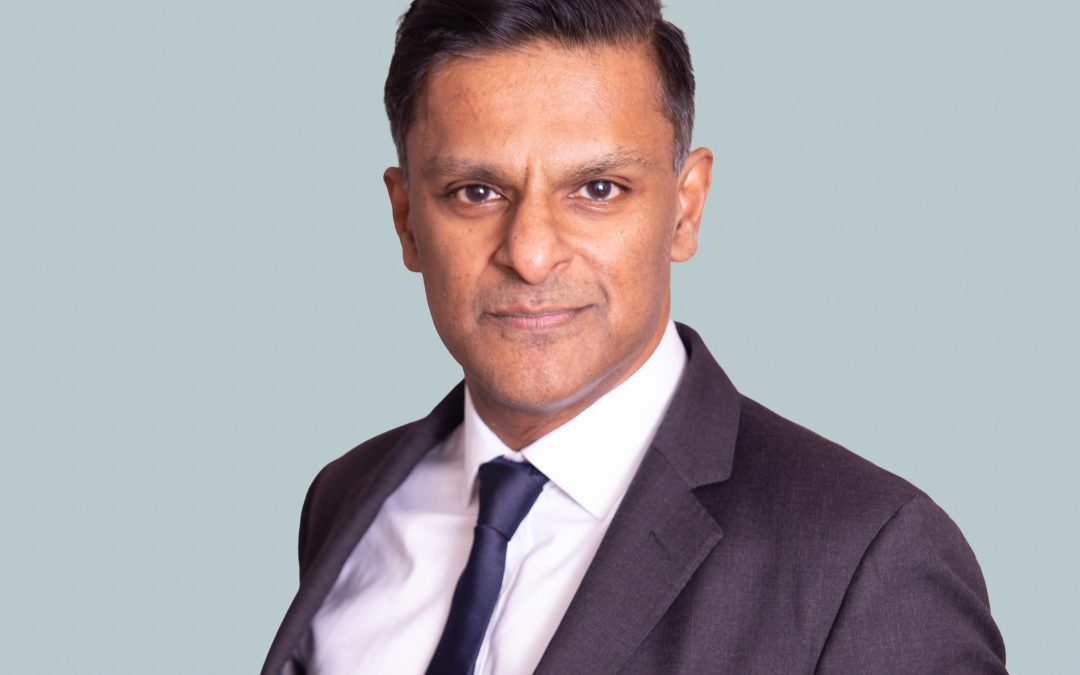
For corporate and professional headshots, smart separates tend to work particularly well. A tailored jacket, polished knitwear, a crisp overshirt or a simple blouse can all look professional without appearing overly uniform. If you regularly wear a suit to meet clients, wearing one in your headshot is sensible. If your working life is more relaxed, a quality shirt or fine-gauge jumper may represent you far more accurately.
Actors have a different brief. A Spotlight headshot should be honest, current and casting-ready, not a fashion editorial. Choose clothing that hints at your natural casting range without turning you into a character. A plain top in a flattering colour is often enough. Casting professionals need to see you clearly and imagine you in a role, so the outfit should support your type rather than compete with it.
Choose colours that let your face lead
Solid colours are usually the most reliable choice for headshots. They photograph cleanly, avoid visual distraction and help create a timeless result that will not feel dated in a year’s time. Mid-tones and deeper shades often work beautifully: navy, charcoal, forest green, burgundy, teal, soft blue and rich berry shades are dependable options.
That said, the right colour depends on your skin tone, hair colour and the backdrop being used. Someone with fair skin and light hair may look wonderful in a soft blue, muted green or warm rose. A person with darker features may carry strong jewel tones exceptionally well. Black can be elegant and effective, particularly for actors, but it can also lose detail against a dark background. A photographer can guide you towards a backdrop and lighting approach that keeps the final image balanced.
Very bright white can sometimes reflect light upwards onto the face, while pale beige and close skin-tone shades may make the image feel washed out. This is not a strict ban. A white shirt beneath a darker jacket is a classic business choice, and cream can be lovely when it is clearly distinct from your complexion. The question is whether there is enough contrast to give your portrait shape and presence.
Avoid large logos, slogans and highly recognisable branding unless the image is specifically for your own branded business. They date quickly and draw the eye away from your expression. Tiny checks, narrow stripes and busy prints can also create an unwanted shimmer on camera. If a pattern is a key part of your personal style, choose something subtle and bring a plain alternative.
Fit matters more than the label
A well-fitting high-street piece will usually photograph better than an expensive item that pulls, sags or sits awkwardly at the shoulders. Headshots crop closely, so details around the neckline, collar and upper arms matter more than you might expect.
Try your chosen outfits on before the session and move in them. Sit down, turn your shoulders, lift your arms and check whether you feel comfortable. A jacket that feels restrictive can make your posture tense. A shirt with a collar that will not sit flat can become the only thing you notice in every image.
Necklines deserve a little attention. Crew necks, V-necks, open collars and modest scoop necks can all photograph well. Choose the style you naturally wear and that frames your face attractively. An overly low neckline may become distracting, while a very high, tight collar can make some people feel closed in. There is no universal rule beyond comfort, proportion and suitability for the purpose of the image.
Layers add polish and choice
Layers bring dimension to a portrait and make it easy to create variety without changing your whole look. A jacket over a shirt, a cardigan over a simple top or an open-collar shirt beneath knitwear can give you several distinct options during one session.
For business headshots, a blazer can add authority, while a softer jacket or overshirt can feel more contemporary for entrepreneurs and creative professionals. For actors, a light overshirt, denim jacket or plain cardigan may offer a useful second look, provided it still feels natural to you.
Bring two or three coordinated options rather than a suitcase full of unrelated clothes. Start with one outfit you know you feel excellent in, then add alternatives in complementary colours. This gives your photographer room to assess what works best with the chosen background, your complexion and the mood of the shoot.
Keep accessories considered
Accessories should look intentional, not accidental. Small earrings, a favourite watch or a simple necklace can add personality, particularly if you wear them every day. Large statement jewellery can dominate a tightly cropped portrait and may date the image sooner than you would like.
Glasses are absolutely fine if they are part of how colleagues or casting teams normally see you. Clean the lenses carefully and bring them along even if you are undecided. Reflections can usually be managed through positioning and lighting, but it is helpful to have a non-reflective pair if you own one.
For business portraits, ties are optional rather than compulsory. They remain right for certain professions and formal organisations, but an open collar can feel equally polished. Choose what aligns with your workplace and the level of formality you want to convey.
Prepare the outfit as carefully as yourself
Steam or press clothing shortly before your appointment and transport it on hangers where possible. Creases are surprisingly visible in studio lighting, especially across shirts and jackets. Check for pet hair, loose threads, missing buttons and marks around cuffs or collars.
Make-up should generally look like a refined version of your usual self. Camera lighting can soften facial features, so a little more definition than you might wear day to day can work well, but heavy contouring or unfamiliar products can leave you feeling unlike yourself. If you wear make-up, choose a finish that reduces excess shine without making skin look flat.
Hair is best cut or coloured a few days before rather than on the morning of the shoot, allowing it time to settle. Bring a brush, lip balm, powder or any small items that help you feel fresh. The most flattering expression comes more easily when you know the practical details are taken care of.
The outfit should support confidence, not create it
There is a temptation to buy something completely new for a headshot session. Sometimes that is the right decision, especially if your current work wardrobe no longer reflects where your career is heading. More often, though, clients look their best in a familiar, carefully chosen outfit that already feels like their own.
If you are torn between two choices, choose the one that makes you stand taller, relax your shoulders and smile without thinking about it. A polished headshot is not about dressing as someone else. It is about giving people a clear, confident introduction to the person they are about to meet.
At Henrietta Photography, the aim is always to make that process feel relaxed. Bring your strongest options, arrive as yourself, and let your expression do the memorable work.