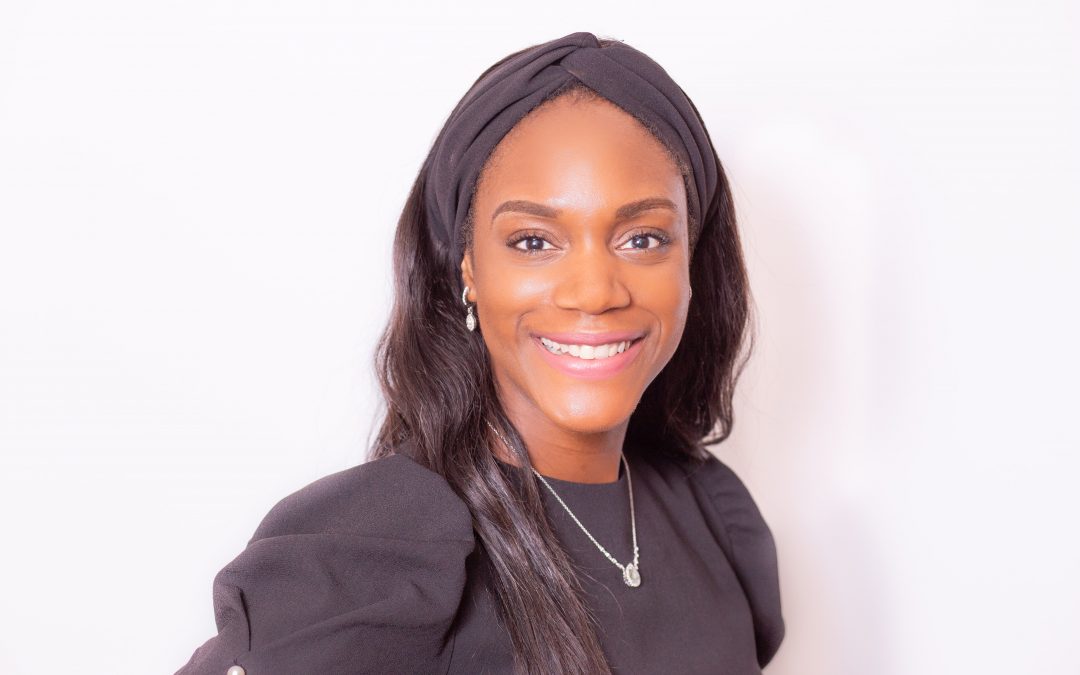
Your headshot may only be a small square on LinkedIn, a company website or Spotlight, but it often introduces you before you have said a word. If you are wondering how often should headshots be updated, the honest answer is: before the image stops looking like the person a client, recruiter or casting director will meet.
A good headshot is not simply a flattering photograph. It is a clear, current and confident representation of you. It should make someone feel that you are professional, approachable and exactly as expected when you walk into a meeting, audition or event. That is why an outdated image can quietly work against you, even if it was beautifully photographed at the time.
How Often Should Headshots Be Updated?
For most business professionals, refreshing a headshot every two to three years is a sensible rule of thumb. For actors, the timeframe is usually shorter: every six to 12 months, or whenever your look changes noticeably. The right schedule depends less on the calendar than on whether the photograph still feels truthful, relevant and fit for the work you want.
A headshot does not need replacing because you have had a slightly different haircut or bought a new pair of glasses. Small everyday changes are part of life. However, if a colleague would look at your profile photo and hesitate for a moment before recognising you, it is time for an update.
There is also a practical consideration. Your image should reflect your current professional direction. A headshot taken when you were starting out may not suit the more assured, senior role you now hold. Equally, a portrait created for a formal corporate position may feel too restrained if you have launched a creative consultancy or are building a more personal brand.
When a New Business Headshot Is Worth Booking
The most obvious reason to update your headshot is a visible change in appearance. This might be a new hairstyle, a change in hair colour, significant weight change, facial hair, glasses, or simply the natural changes that happen over time. The aim is not to document every detail of your appearance. It is to avoid the awkward moment when your online image feels like a version of you from another chapter.
Career changes are another strong prompt. A new job, promotion, board appointment or business launch often brings fresh visibility. If you are stepping into a leadership role, speaking at events or being quoted in the press, your portrait should support the level at which you are now operating. A polished business headshot signals that you take your professional presence seriously.
It is also worth reviewing your photo when your company updates its branding, website or team page. A mixture of different headshot styles can make an otherwise smart website feel pieced together. Where possible, teams benefit from portraits with consistent lighting, framing and finish, while still allowing each person’s character to come through.
For entrepreneurs and consultants, a headshot is part of your marketing rather than a one-off administrative task. If your face appears regularly in newsletters, presentations, social media, proposals or press features, a more frequent refresh may be worthwhile. You do not need a completely different image for every platform, but a small selection of current, well-considered portraits gives you flexibility.
The two-year check-in
If you are unsure whether your image needs replacing, try this simple test at the two-year point. Put your current headshot next to a recent phone photograph in similar natural light. Ignore the quality of the phone image and look only at recognition. Do you look broadly the same? Does the headshot still reflect how you present yourself at work? If the answer is yes, you may have another year in it. If not, book the refresh.
Actors Need a More Responsive Approach
For actors, headshots are working tools. Casting teams need to see who will arrive in the room, and your Spotlight headshot needs to represent your current casting range clearly. A photograph that is even slightly out of date can create confusion and, in a competitive industry, that is not a risk worth taking.
Most actors should review their headshots every six to 12 months. That does not mean every actor needs a full new session annually. If your appearance, type and the roles you are pursuing remain consistent, your existing images may still be doing their job. But if you have changed your hair, grown or removed facial hair, altered your physique, changed your playing age, or developed a stronger sense of your casting, fresh images can be a very good investment.
A change in career momentum can matter too. Perhaps you have finished drama school, signed with a new agent, gained screen credits or now have a clearer understanding of the roles that suit you. Your photographs should evolve with that progress. Strong actors’ headshots do more than show your face. They give casting directors a truthful sense of your energy, presence and potential.
Avoid holding on to a favourite image simply because it once brought compliments. If it no longer looks like you, it cannot do its job. The most effective headshot is the one that earns immediate trust, not necessarily the one that makes you look younger or more polished than you are.
Signs Your Current Headshot Is Holding You Back
Sometimes the need for an update is obvious. At other times, it becomes clear through small clues. Your photograph may have heavy retouching that now feels dated, an old-fashioned editing style, or a background and wardrobe that no longer match your professional world. Even a technically good image can lose its impact as visual expectations change.
Pay attention to where your headshot appears. If you are cropping an old low-resolution image for a new website, using a different portrait on every platform, or avoiding including your photo in a proposal because it feels unrepresentative, you already have your answer.
It can also be helpful to ask someone who sees you regularly. A trusted colleague, agent or friend can often tell you whether the photo is still recognisably you. Choose somebody honest, rather than somebody likely to reassure you that it is fine. The goal is a useful opinion, not a compliment.
A Refresh Does Not Mean Starting From Scratch
Many people put off a new headshot because they imagine an intimidating, overly formal experience. In reality, an update can be straightforward and enjoyable, especially when the session is planned around where and how the images will be used.
Before your shoot, think about your audience. A solicitor, founder, architect and therapist may all need professional portraits, but their images should not necessarily communicate the same thing. Consider whether you need a clean studio-style image, something more relaxed and editorial, or a set of portraits with space for website text and social media crops.
Wardrobe matters, although it need not be complicated. Choose clothes that feel like your best everyday professional self rather than an outfit reserved for a costume party. Solid colours usually photograph well, while busy patterns can distract from your expression. Bring a few options if possible, particularly if you need images for more than one setting.
Most importantly, aim for recognition rather than perfection. A thoughtful photographer will guide you on posture, expression, light and composition, but the finished image should still feel like you on a good day. That balance is what makes a headshot useful long after the session itself.
Make Your Headshot Part of Your Professional Housekeeping
Rather than waiting until an urgent opportunity appears, add a headshot review to your regular professional housekeeping. Check it when you update your CV, review your LinkedIn profile, renew your Spotlight credits or plan the year ahead. This keeps the decision calm and purposeful, rather than a last-minute scramble before a speaking engagement or audition.
Henrietta Photography works with clients across London who want portraits that feel polished without looking overworked. The best time to update is when you can give the process a little thought, choose the right visual direction and arrive relaxed enough for your personality to show.
Your headshot should make the next person who meets you feel they already know who they are looking for. When it does that, it is still working. When it does not, a fresh portrait is a simple, valuable way to move forward with confidence.