A new portrait often arrives on the to-do list at a moment of change: a promotion, a new role, a business launch or a website that no longer feels like you. The question of corporate headshots vs personal branding is not simply about choosing a background. It is about deciding what your photograph needs to say before anyone reads a word of your profile.
Both approaches should leave you looking confident, approachable and like yourself on a very good day. The difference lies in the job the image has to do. A corporate headshot builds instant professional trust within an established setting. Personal branding photography gives more room to communicate your character, expertise and the way you work.
Corporate headshots vs personal branding: the key difference
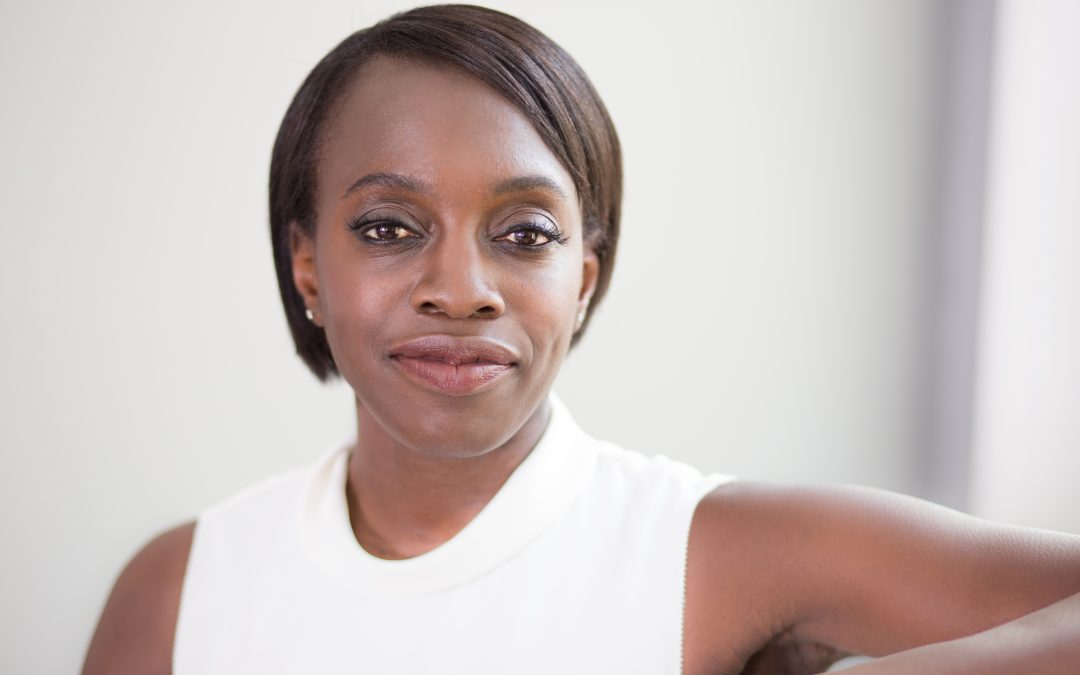
A corporate headshot is a focused professional portrait, usually from the shoulders or chest up. It is designed for clarity and consistency across places such as a company website, LinkedIn, conference biographies, press features and internal directories. The viewer should quickly see a capable, credible person they would be happy to meet or work with.
The best corporate portraits are polished without feeling stiff. They tend to use clean lighting, considered framing and an uncluttered background so your expression remains the focus. If your employer has a visual style for team portraits, matching it matters. A unified set of photographs makes a business appear organised and established, while still allowing each person’s personality to come through.
Personal branding photography is broader. It may include a strong head-and-shoulders portrait, but it also tells a fuller visual story through location, clothing, movement, working details and wider environmental images. A consultant might be photographed speaking to camera in a bright workspace, reviewing notes at a table and standing outside a favourite local venue. A founder may need images that feel direct, energetic and recognisably theirs rather than like a standard corporate directory photograph.
Neither is more valuable than the other. They serve different purposes. A solicitor joining a large firm may need a refined corporate headshot first. A self-employed interior designer, coach or creative director may benefit more from a varied personal branding collection. Many professionals need a thoughtful combination of both.
When a corporate headshot is the right choice
Choose a corporate headshot when the main requirement is professional recognition. Perhaps your company is updating its team page, you are preparing for an awards event, or you need a current LinkedIn image that sits comfortably alongside colleagues’ portraits. In these cases, a concise session can produce an image that is versatile, enduring and appropriate in formal settings.
A corporate headshot is particularly useful when your audience expects a degree of visual restraint. Financial services, law, healthcare, property and senior leadership roles often benefit from an image that feels composed rather than overly styled. That does not mean bland. Warm eye contact, flattering lighting and a relaxed expression can make a formal portrait memorable without taking it out of context.
Consistency is another practical reason to opt for this route. If an organisation has several people photographed, similar lighting, backgrounds and crops make every profile look intentional. This is especially useful for growing teams, where a mixture of old mobile phone images and mismatched portraits can quietly undermine an otherwise excellent website.
The trade-off is that a corporate headshot offers less room for storytelling. It tells people who you are and reassures them that you are professional. It may not show the energy of your workshop, the personality behind your business or the nature of a client experience. If those details are central to how you win work, personal branding images may be a better fit.
When personal branding photography earns its place
Personal branding photography works best when people are choosing you as much as they are choosing your service. For entrepreneurs, freelancers, consultants and small business owners, trust often starts before a first conversation. Your website, social channels, proposals and speaking profiles should give a clear sense of the person clients will be dealing with.
This does not require a highly styled or performative shoot. In fact, photographs tend to be more effective when they reflect your real working personality. A calm therapist might need gentle, welcoming portraits in a quiet space. A dynamic business coach may suit bolder colour, natural movement and images that suggest conversation. A founder with a premium product might need a more editorial feel, with close attention to materials, setting and styling.
The advantage is flexibility. A well-planned branding session can provide a useful range of images for your homepage, About page, LinkedIn banner, newsletters, presentation slides, podcast features and social posts. Instead of using the same headshot repeatedly, you have imagery that supports different messages while remaining visually recognisable.
There is a balance to strike. An image can be personal without being too casual, and polished without looking unlike you. Trend-led styling or heavily constructed scenes may date quickly, so it is usually wise to begin with the core of your brand: how you want clients to feel, what makes your approach distinct and where the images will actually appear.
Start with where the photographs will be used
Before choosing a studio backdrop or a London location, make a simple list of your likely uses for the next year. This is the most reliable way to decide between a headshot session and a fuller branding shoot.
If you only need one excellent image for LinkedIn, a professional biography and a company profile, a corporate headshot is often enough. If you are launching a new site, creating regular content, pitching yourself for media opportunities or refreshing your business materials, a personal branding session will give you more variety and better long-term value.
Think about format as well as platform. Website banners often need landscape images with empty space for copy. LinkedIn profile photographs need a close crop where your face is clear even at a small size. Instagram posts may suit vertical portraits or behind-the-scenes moments. Planning for these uses at the start prevents the common frustration of having lovely images that do not quite fit where they are needed.
Your clothes, background and expression should work together
For a corporate portrait, choose clothing that feels like a smart version of what you would wear to an important meeting. Solid colours often photograph well, while very small checks, busy prints and prominent logos can distract from your face. A jacket is not compulsory unless it is part of your usual professional dress. What matters is that you look comfortable and believable in it.
Personal branding allows more visual personality, but the same principle applies. Select colours and textures that sit naturally with your business identity and the location. Bring options rather than relying on one outfit. A simple change of jacket, knitwear or shirt can create enough variation to make a gallery feel much more useful.
Your expression deserves equal consideration. Many people say they want to look professional when what they really mean is that they do not want to look nervous. You do not need to force a broad smile or adopt a serious pose that feels unfamiliar. An experienced portrait photographer will guide you through small adjustments to posture, angle and expression, helping the camera capture an assured version of you rather than a frozen one.
A relaxed session produces stronger photographs
Feeling awkward in front of the camera is remarkably common, including among people who present confidently in meetings or on stage. It is not a personal failing, and it should not be treated as one. The quality of a professional portrait depends on direction, lighting and the space to settle into the session, not on arriving with a rehearsed pose.
A good photographer will talk through the purpose of the photographs, guide you clearly and keep the pace comfortable. For personal branding, that preparation also includes choosing a location that supports your message without overwhelming it. Your own office may be ideal if it is light, calm and recognisable to clients. A hired space or a simple studio setting can be better if your workplace is busy or visually distracting.
At Henrietta Photography, the aim is always to make the process feel approachable while delivering refined images you can use with confidence. The strongest portraits rarely come from trying to look impressive. They come from feeling at ease enough for your genuine presence to show.
You may not have to choose only one
For many London professionals, the practical answer is a hybrid session. Begin with a clean, timeless headshot suitable for formal profiles, then create a small set of wider, more individual images for your website and marketing. This gives you the credibility of a corporate portrait and the versatility of personal branding photography without sending mixed signals.
Your role, audience and ambition should lead the decision. If people need to see that you belong within a respected organisation, keep the portrait focused and consistent. If they need to understand why they should choose you, give them more of the story. The right photograph is the one that makes a future client, colleague or collaborator feel they have already met the real you.