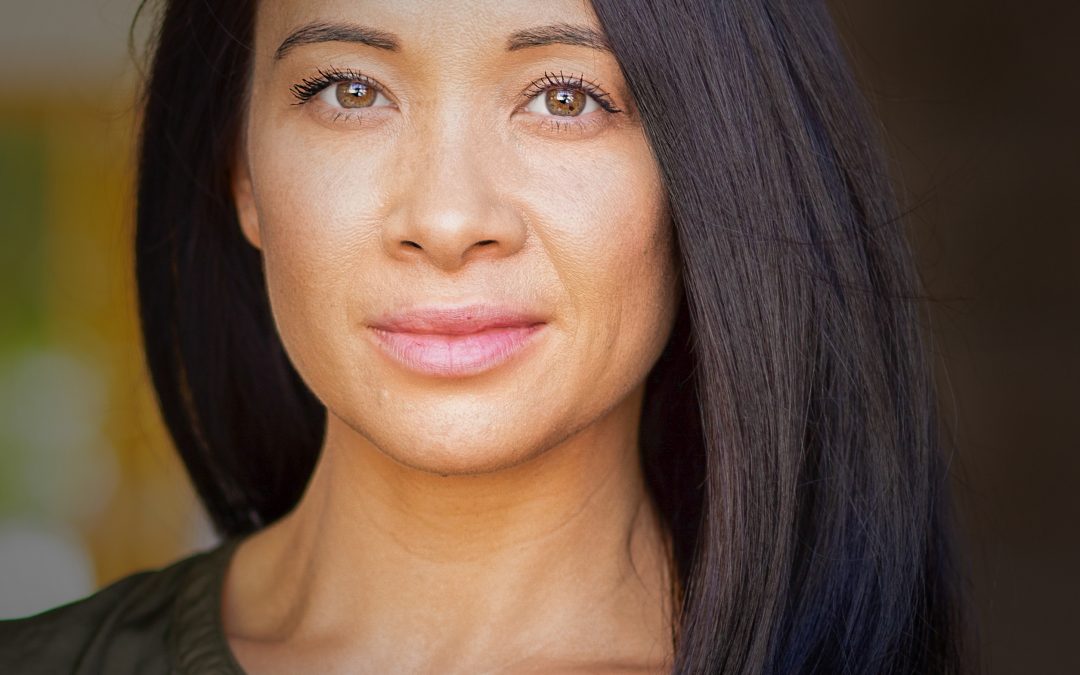
A casting director can tell in seconds when a headshot is doing too much. Too polished, too styled, too unlike the person who walks into the room – or onto a self-tape. The best actors headshots London performers use are far simpler than many people expect. They are clear, current, honest and specific enough to suggest casting potential without boxing you in.
That balance is where good headshots earn their keep. A strong image does not need heavy retouching, dramatic lighting or a theatrical concept. It needs to look like you on a very good day, with the kind of presence that makes someone pause and think, yes, let’s bring them in.
Why actors headshots in London matter so much
London is crowded with talented actors, which means your headshot is often your first introduction before anyone hears your voice or sees your range. On Spotlight, agency submissions and casting shortlists, your image has one job – to help the right people recognise you as believable for the roles they are trying to cast.
That does not mean your headshot should try to show every possible character you could play. In practice, that usually weakens the result. A better approach is to present a truthful, versatile version of yourself with enough clarity that casting can immediately understand your playing age, your natural energy and the kinds of roles you could step into convincingly.
This is why current matters. If your hair has changed, your weight has shifted, you now wear glasses, or your look has matured, your headshots need to keep pace. A beautiful image that no longer reflects you is less useful than a simpler shot that feels accurate.
What makes a headshot castable
A castable headshot feels open rather than forced. You look engaged, present and believable, not as though you are trying to perform a role for the camera. There is a difference between expression and acting, and the camera spots it quickly.
Eye contact usually does a great deal of the work. When your eyes feel alive, relaxed and connected, the image has depth. That is often more persuasive than a big smile or an intense stare. Expression should suit your natural casting range, but it should still feel like a real person rather than a fixed idea of “serious actor” or “commercially friendly”.
Styling matters too, though less than many people think. The most effective clothing choices support your features instead of pulling focus. Clean lines, flattering colour and simple texture tend to work well. Logos, busy patterns and anything overly trend-led can date a shot or distract from your face. Hair and make-up should look polished but believable. If someone meets you after seeing the photo, there should be no disappointment and no surprise.
Background and lighting should serve the same purpose. The image needs shape, warmth and professionalism, but not so much visual drama that it starts to feel like a fashion portrait. For actors, subtlety is usually more powerful.
Actors headshots London actors need for Spotlight and beyond
Spotlight headshots have to work hard. They need to sit comfortably within industry expectations while still helping you stand out for the right reasons. That means quality matters, but appropriateness matters just as much.
A common mistake is assuming that more cinematic always means better. Sometimes a moodier, editorial style can suit a particular actor, especially if it still feels truthful and current. But if the image becomes stylised to the point that casting cannot quite tell what you really look like, it starts to lose value. In most cases, clean, flattering portraiture with natural expression is the stronger choice.
Variety across a session is useful, but it should be controlled. You may want one shot with a warmer, more approachable feel, another with a little more edge, and perhaps a tighter crop alongside a more open frame. That gives you options for different submissions. The key is that each image should still look like the same person. A headshot gallery should suggest range, not confusion.
In London especially, where actors are submitting across theatre, television, film and commercial work, that flexibility can help. But it only works when the core identity remains steady.
How to prepare without overthinking it
The best preparation is practical. Get enough sleep, drink water, arrive with clean and well-fitted clothing options, and know roughly what kinds of roles you are most often seen for. You do not need a complicated character plan. In fact, trying to manufacture one can make you look tense.
Bring a small edit of tops and layers in colours that suit your skin tone and eye colour. Necklines can make a surprising difference, so it is worth having options. If you wear make-up, keep it fresh and natural unless there is a very good reason not to. For men and women alike, grooming should feel considered but not overdone.
It also helps to think about your current casting. Not your dream casting, your current casting. Those are not always the same thing, and honesty here is useful. A good photographer can help you find images that feel aspirational enough to move your profile forward while still grounded in how the industry is likely to read you now.
The difference a relaxed session makes
Many actors are brilliant in front of an audience and still feel awkward having their photograph taken. That is completely normal. A headshot session is not the same as performing, and the camera can feel uncomfortably close when the whole point is to be seen clearly.
This is where the experience of the session matters as much as the technical skill behind it. When the atmosphere is calm and collaborative, expressions soften, posture settles and the photographs begin to look like a person rather than a pose. Small adjustments in angle, breathing, pace and conversation can change everything.
That is often the invisible difference between an acceptable headshot and one that genuinely works. You are not forcing a look. You are allowing the right version of yourself to come forward.
At Henrietta Photography, that process is approached with exactly that balance of professionalism and ease – enough direction to bring out your strongest images, without making you feel over-managed or stiff in front of the lens.
Common mistakes that weaken a headshot
The biggest issue is usually trying too hard. Over-posing, over-smiling, over-styling and over-retouching all create distance between the image and the person. Casting wants confidence, but they also want truth.
Another common problem is choosing a favourite photo for personal reasons rather than professional ones. You may love an image because your jawline looks sharp or your hair sits perfectly, but if the expression feels distant or the shot does not reflect your casting, it may not be the best option for submissions.
Ageing headshots are another quiet problem. If your current image no longer matches your real appearance, even subtly, it can affect trust before you have had a chance to act. The same goes for heavily filtered or smoothed skin. Good retouching should be discreet. You should still look like a human being with texture, character and life in your face.
Choosing the right photographer for actors headshots London
Not every excellent portrait photographer is the right fit for actors. Commercial portraiture, personal branding and actor headshots all overlap, but they are not identical. Actors need someone who understands casting language, industry expectations and the difference between a beautiful portrait and a usable headshot.
That does not mean the process has to feel intimidating or overly technical. Quite the opposite. The right photographer will make things feel straightforward while quietly making a hundred skilled decisions about light, framing, expression and selection.
It is also worth looking for a photographer whose work feels consistent. Not identical from client to client, but consistently flattering, clear and believable. You want to see individuality in the actors, not one house style imposed on every face.
If you are based in North London or working regularly across the city, practical ease matters too. A convenient, well-run session with a photographer who knows how to put people at ease is not a luxury. It can be the difference between coming away with one decent frame and a set of images you actually feel confident sending out.
A good headshot does not promise you the job. It does something more realistic and more useful – it gives casting a truthful reason to look twice. When your image feels current, professional and unmistakably like you, it starts the conversation in exactly the right place.