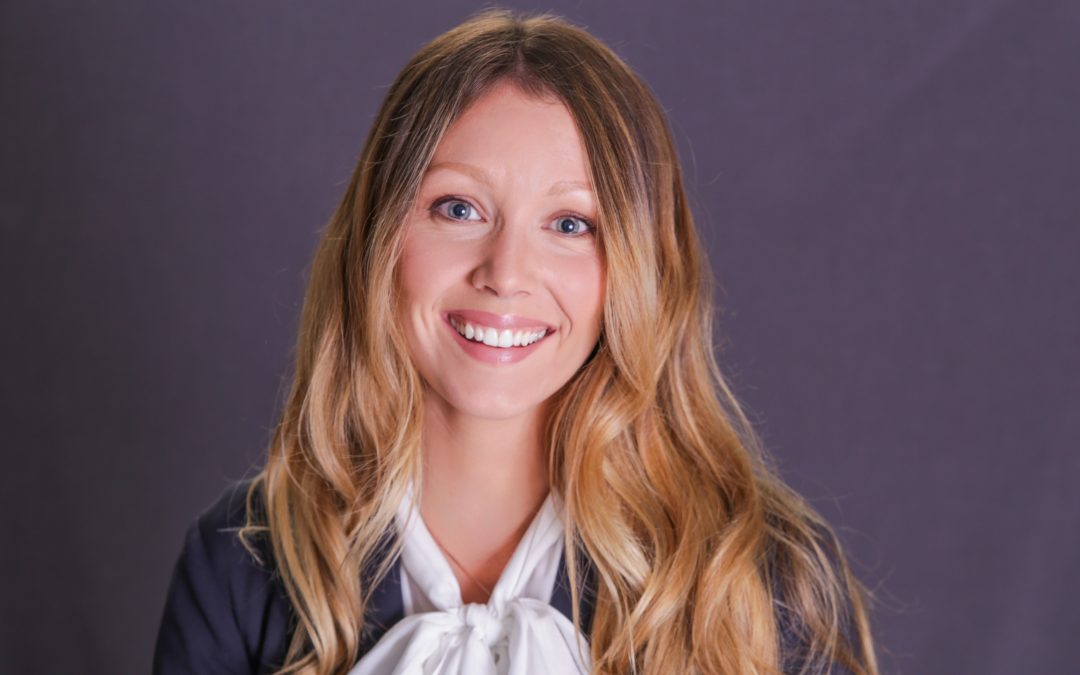
A profile photograph is often seen before you are. It appears beside your name on LinkedIn, a company website, a casting profile, a speaker bio or a family wall at home. The benefits of professional portraits come from far more than looking polished: they give people a clearer, warmer and more confident sense of who you are.
A good portrait is not about turning you into someone else. It is about capturing the version of you that you want the world to meet – relaxed, credible and entirely recognisable. For professionals, actors, families and business owners across London, that can make a meaningful difference.
Professional portraits create a strong first impression
People make quick judgements from images, particularly online. A dimly lit crop from a holiday, a dated photograph or a hurried selfie can unintentionally suggest that your public image is an afterthought. It may not be fair, but when someone is deciding whether to contact, hire, cast or trust you, visual cues carry weight.
A professional portrait gives you control over that first impression. Lighting is shaped to flatter rather than flatten your features, the background supports the purpose of the image, and the composition directs attention where it should be – to you. The result feels considered without being stiff.
This matters especially when your work is personal. Consultants, therapists, recruiters, estate agents, designers and small business owners are often chosen as much for the confidence they inspire as for the service they offer. A friendly, assured business portrait can make the first step of getting in touch feel easier.
The benefits of professional portraits at work
Your photograph should fit the setting in which it will be used. A smart corporate headshot and an approachable founder portrait may both be professional, but they communicate slightly different things. One might suit a team page or annual report; the other may be more effective on a personal website, social media profile or press feature.
They build credibility before the conversation begins
Professional imagery signals care. It tells a prospective client, employer or collaborator that you understand the standards of your field and take your presentation seriously. It cannot replace experience or expertise, of course, but it helps ensure that your image supports your reputation rather than distracting from it.
For a growing business, consistent portraits across a team can be just as valuable. When every member of staff is photographed in a similar style, the business looks cohesive and established. It also makes a website, proposal or marketing campaign feel more human. Clients like to see the people behind the service.
They give you useful images for more than one platform
A well-planned portrait session can provide a small, versatile library rather than one image for one purpose. You may need a close head-and-shoulders image for LinkedIn, a slightly wider portrait for your website, and a more relaxed frame for editorial or social use.
The key is planning this before the shoot. Discuss where the photographs will appear, who needs to see them and how formal the final impression should be. This is particularly useful for entrepreneurs who are regularly asked for bios, interviews, award entries or speaking opportunities. Having suitable imagery ready removes one small but surprisingly common source of last-minute stress.
They help actors look casting-ready
For actors, a headshot is a working tool. Casting professionals need to see a truthful, current and engaging image that gives a clear sense of your casting range. A strong Spotlight headshot does not rely on elaborate styling or heavy retouching. It relies on connection, good light and an expression that feels alive.
There is a practical balance to strike. Your headshot should be flattering, but it must still look like you on the day you walk into the room. An image from several years ago, or one that has been retouched beyond recognition, can create the wrong expectation. The best portrait gives casting teams a confident, accurate introduction to you.
A calm session can change how you feel about being photographed
Many people arrive for a portrait session saying that they dislike having their photograph taken. Usually, they do not dislike photographs themselves. They dislike feeling exposed, rushed or unsure what to do with their face, hands and posture.
That is where professional direction matters. A skilled portrait photographer notices small adjustments in posture, angle and expression that make a real difference, while keeping the atmosphere relaxed. You do not need to know how to pose. You need enough time to settle in, clear guidance and the freedom to look like yourself.
The experience should never feel like an endurance test. A short conversation, an unhurried pace and a little reassurance can bring out a natural expression that no filter can manufacture. This is one reason a professional portrait often feels more like the person than a photograph they have tried to take themselves.
Family portraits preserve more than appearances
The value of family photography tends to grow with time. Children change quickly, family routines shift, and the ordinary moments that feel familiar now become the details you miss later: a gap-toothed smile, a favourite jumper, the way a child leans into a parent.
A professional family portrait creates space to notice those connections. It does not have to be overly formal or carefully staged. Some families love a classic, polished image for the wall; others prefer movement, laughter and a little bit of the beautiful chaos that makes their family theirs. Both approaches can create photographs to treasure forever.
It is worth remembering that parents do not always appear in the family photographs they keep. One person is often behind the mobile phone, recording everyone else. Booking a portrait session means everyone can be present in the frame. Years from now, that may be the part that matters most.
Quality shows in the details you may not immediately notice
The difference between a professional image and a quick photograph is not simply an expensive camera. It is the ability to read light, choose the right lens, manage the background, direct gently and make thoughtful editing decisions afterwards.
Professional retouching should be discreet. It can soften temporary blemishes, balance skin tone and refine distractions, while preserving texture, character and expression. If every line and feature has been erased, the portrait may look polished at first glance but less believable on closer inspection.
The same care applies to printing. A portrait intended for a website has different requirements from one made to be framed, displayed in an office or included in a printed brochure. Thinking about the final use helps ensure the image has the right resolution, crop and finish from the outset.
When a professional portrait is worth the investment
Not every photograph needs a full portrait session. A quick mobile phone image can be perfectly suitable for a private message or an informal update. Professional photography earns its place when the image represents something important: your career, your business, your next audition, your family or a milestone you do not want to let pass undocumented.
The level of investment depends on the brief. A single updated business headshot is different from photographing a whole company team, and an actor refreshing one Spotlight image has different needs from a family planning framed artwork for their home. What matters is choosing a session that matches the purpose rather than paying for more than you need.
At Henrietta Photography, the focus is always on making the process feel personal as well as professional. The strongest portraits are created when the photographer understands what the image needs to achieve and the person in front of the camera feels at ease.
A portrait is a small moment of attention given to your future self. Whether it helps someone decide to work with you, remember you for a role or see the people you love exactly as they were, the right photograph keeps doing its job long after the session has finished.