A strong headshot does a quiet but important job. Before anyone reads your profile, checks your CV or visits your website, they make a judgement based on your photograph. That is why looking at professional business headshots examples can be so useful – not to copy someone else, but to understand what gives an image credibility, warmth and polish.
The best business portraits do more than show what you look like. They signal how you work, the level you operate at and whether you feel approachable. For a solicitor in the City, that might mean calm authority. For a founder, it might mean energy and clarity. For a consultant, coach or creative, it may sit somewhere in between. Good headshots are never one-size-fits-all.
Professional business headshots examples and what they show
When clients start planning a session, they often ask the same question: what sort of headshot actually works? The honest answer is that it depends on where the photograph will be used, who needs to trust you, and what you want your image to communicate. Still, certain styles come up again and again because they do their job well.
1. The classic corporate headshot
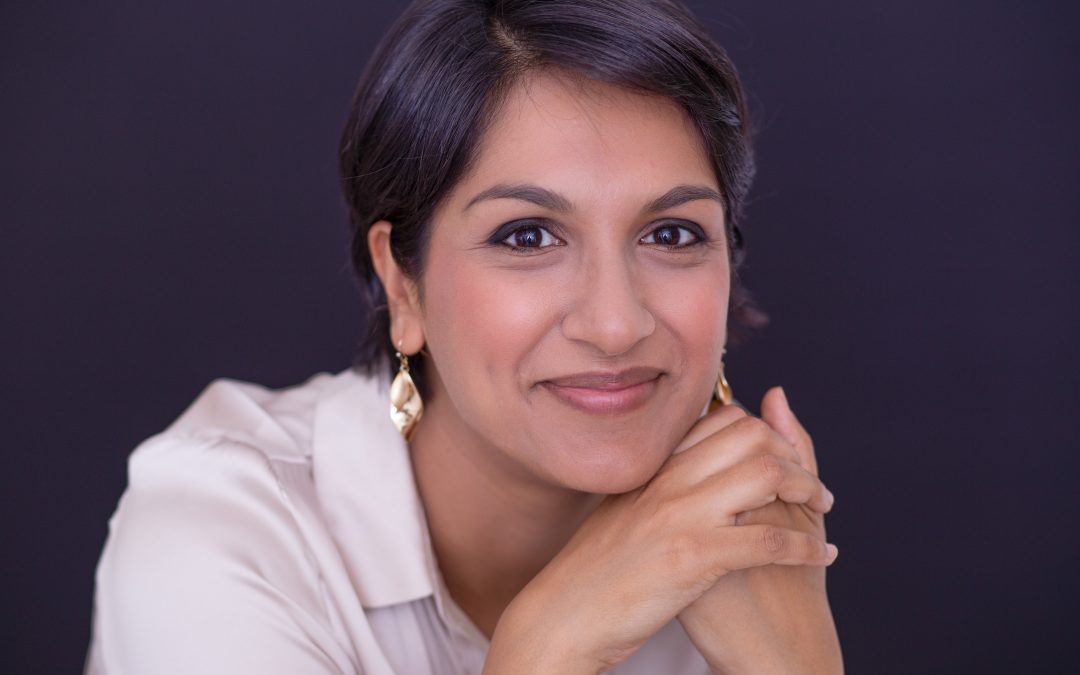
This is the most recognisable format and for good reason. Usually photographed against a clean neutral background, with simple lighting and tidy styling, it is designed to look professional without distraction. You will see this style on company websites, speaker biographies, annual reports and LinkedIn profiles.
Its strength is clarity. Nothing pulls focus from the face, expression or eye contact. If you work in law, finance, property or senior leadership, this style often makes sense because it feels dependable and polished. The trade-off is that if it is too stiff, it can look generic. The difference between forgettable and effective often comes down to good direction, relaxed posture and natural expression.
2. The softer personal brand portrait
A personal brand headshot still looks professional, but it has more personality in it. The lighting may be a little softer, the background may have some texture or depth, and the expression often feels more open and conversational. This works particularly well for coaches, consultants, therapists, designers and small business owners.
What makes this style successful is balance. It needs enough polish to inspire confidence, but enough warmth to feel human. If your business relies on people feeling comfortable with you before they get in touch, this approach tends to be stronger than a very formal corporate look.
3. The environmental office portrait
Some of the most effective professional business headshots examples are photographed in a real working setting. An office, studio, co-working space or meeting room can all add context when used carefully. You are no longer just presenting yourself – you are showing your world.
This style can work beautifully for architects, designers, directors, recruiters and business owners who want to look established without seeming overly staged. The key is restraint. A cluttered background quickly weakens the image, while a well-chosen environment adds credibility and depth.
4. The editorial-style leadership portrait
Senior leaders often need something slightly more distinctive than a standard corporate headshot. Editorial-style portraits use stronger composition, more deliberate lighting and often a touch more character. They still look professional, but they carry greater presence.
This type of portrait suits press features, keynote speaking profiles and leadership pages where authority matters. It can be especially effective for founders and executives who want to look confident without appearing remote. The risk, of course, is trying too hard. If the styling becomes theatrical, the image stops feeling trustworthy.
5. The approachable team headshot
For many businesses, consistency matters as much as the individual portrait. Team headshots need to feel like they belong together while still allowing each person to look like themselves. Matching backgrounds, lighting and framing help create that cohesion.
This style is ideal for company websites, proposals and marketing material. A good team set makes the business look organised and established. It also reassures clients that the people behind the brand are real, professional and approachable. The most successful versions avoid making everyone look overly posed or identical.
6. The relaxed outdoor portrait
Outdoor business portraits can look fresh, modern and less formal than studio work. In London, they often work well for entrepreneurs, creatives, property professionals and public-facing consultants who want a more contemporary feel. Natural light and a subtle urban backdrop can add energy without losing professionalism.
That said, outdoor headshots need careful handling. Weather, harsh sunlight, busy backgrounds and passing foot traffic can all affect the result. When done well, they feel effortless. When done badly, they can look casual rather than credible.
7. The website homepage portrait
This is not always a tight headshot in the traditional sense. It may be cropped wider, with space around the subject for text placement, and it often needs to fit neatly into website design. The expression is usually direct but welcoming, particularly for personal brands and service-led businesses.
A homepage portrait has a different job from a LinkedIn image. It needs to support your overall branding, not just show your face. That means clothing, colour palette, background and composition should all sit comfortably with your website. A lovely portrait can still be the wrong choice if it does not work in that setting.
8. The profile image for LinkedIn
LinkedIn headshots are viewed at a very small size most of the time, so simplicity matters. Strong eye contact, clean framing and clear lighting nearly always perform better than complex styling. If the image is too dark, too distant or too busy, it loses impact immediately.
For this reason, one of the best professional business headshots examples is often the simplest one. Head and shoulders, uncluttered background, well-fitted clothing, relaxed confidence. It sounds straightforward, but getting that natural, capable look is where professional expertise really shows.
9. The creative professional portrait
Not every industry benefits from looking highly corporate. For stylists, writers, designers, makers and performers with a commercial profile, a business headshot can have more style while still feeling considered. Perhaps the pose is looser, the styling has more personality, or the background includes subtle creative detail.
The important thing is intention. A creative portrait should still look polished and purposeful. Personality is useful, but only when it supports your work rather than overshadowing it.
10. The multi-use headshot set
Often, the most practical answer is not one headshot but a small collection. One image for LinkedIn, one for a company bio, one wider portrait for a website, and perhaps one slightly more relaxed option for press or speaking opportunities. This gives you flexibility without having to stretch one image across every platform.
For busy professionals, this is usually the smartest approach. Different platforms ask different things of a portrait. A photograph that looks excellent in a square crop may not suit a landscape banner, and a very formal image may not feel right for all areas of your brand.
What makes a business headshot look genuinely professional
The difference between an ordinary photo and a professional headshot is rarely about expensive clothing or dramatic retouching. It is more often about small details done well. Good lighting shapes the face cleanly. Strong composition keeps the attention where it belongs. Expression feels natural rather than forced. Clothes are appropriate for the role, fit properly and do not distract.
Posture matters more than most people expect. So does the angle of the shoulders, the position of the chin and the way the eyes connect with the camera. Even background choice has a psychological effect. A plain backdrop tends to feel polished and direct, while a real environment adds story and context.
Retouching is another area where less is often more. Skin should still look like skin. The goal is to present you at your best, not to make you unrecognisable. A heavily edited headshot can feel dated very quickly, and in professional settings it may also weaken trust.
Choosing the right example for your industry
If you are comparing styles, start with the use case rather than the trend. A barrister, a start-up founder and an interior designer may all need business headshots, but the same visual approach will not suit each of them equally well.
Ask what the person viewing the image needs to feel. Reassured? Impressed? At ease? Curious to know more? Your headshot should support that response. That is where an experienced portrait photographer adds real value – not just by taking a flattering picture, but by shaping an image around your professional goals.
In a city as visually competitive as London, that thoughtfulness matters. A strong portrait should feel current, polished and unmistakably like you. Henrietta Photography approaches business portraits with exactly that balance in mind: professional standards, personal ease and images that work hard wherever they appear.
If you are reviewing examples before booking a session, do not just ask which photo looks nicest. Ask which one gives the clearest sense of who that person is and why you would trust them. That is usually the image worth aiming for.