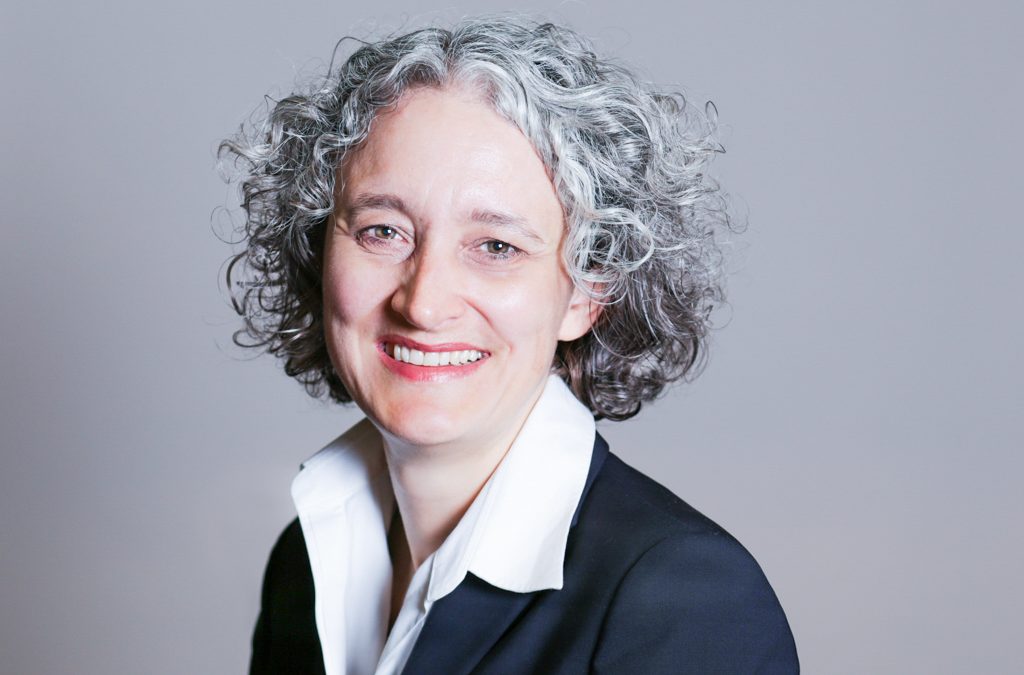
A headshot has a job to do. It may need to earn trust before a client meeting, help a casting director pause on your Spotlight profile, or make your team look as capable online as they are in person. So, when people ask, “how much do headshots cost?”, the useful answer is not simply a number. It is about the level of preparation, direction and finished imagery needed for that job.
How much do headshots cost in London?
For a professional headshot session in London, a sensible starting point is typically around £150 to £350 for an individual. This often covers a short, focused session and a small number of professionally edited digital images. More comprehensive personal branding or actor headshot sessions commonly sit between £350 and £700 or more, particularly where there is extra shooting time, several looks, detailed retouching or studio hire.
Corporate team headshots are usually priced differently. A photographer may quote a half-day or full-day rate, often with a per-person cost that reduces as the number of people increases. This can range from roughly £50 to £150 per person for a larger team, depending on the setup, number of staff, location and final image requirements.
Those figures are useful guideposts, not fixed rules. London has a wide range of photographers, from newer practitioners offering quick sessions to established portrait specialists whose fee reflects their experience, creative direction and carefully finished work. The lowest quote is not always poor value, and the highest quote is not automatically the best fit. What matters is whether the session gives you images you will genuinely feel confident using.
What you are paying for beyond the camera
A professional headshot is rarely just a few minutes in front of a backdrop. The best sessions begin before the shutter is pressed. There may be a conversation about where the photographs will appear, the impression you want to give and whether a clean studio portrait or a more relaxed environmental image suits your work.
During the shoot, you are paying for direction as much as equipment. Most people are not models, and few arrive feeling entirely at ease in front of a camera. An experienced portrait photographer knows how to shape flattering light, guide posture without making you look stiff, and draw out expressions that feel open and natural. That calm direction can be the difference between an image that merely looks polished and one that looks like you on a particularly good day.
The work continues afterwards. Selection, colour correction, cropping and professional retouching all take time. Good retouching is subtle: it tidies temporary distractions while keeping skin texture, character and recognisability intact. If every finished image looks overly smoothed or oddly altered, it may not serve you well in a professional setting.
A fee may also include a studio, portable lighting at your office, a private online gallery, guidance on clothing, image licence for business use, or a speedy turnaround. Always check what is included rather than comparing the headline session price alone.
The number of final images matters
Some sessions include one fully retouched image, while others include several or provide a gallery from which you choose your favourites. Neither approach is inherently better. If you only need a strong LinkedIn profile photograph, one excellent image may be enough. If you are refreshing a website, speaker biography and press materials, having a small, consistent set in different crops and expressions is more useful.
Ask whether additional images can be purchased, how much they cost, and whether the quoted images are fully retouched or simply lightly edited. This avoids an unwelcome surprise after your session.
Studio, office or outdoor location?
A studio session gives you control. The lighting is consistent, the background is clean, and there is no need to worry about the weather or a busy pavement behind you. It is an excellent choice for classic business portraits, actor headshots and any brand that needs a uniform look across several people.
An office or outdoor London location can add personality and context. It may be ideal for an entrepreneur, creative professional or company that wants its people photographed in their own environment. However, travel, location scouting, setup time and changing light can affect the price. The right choice is the one that supports the way your audience needs to see you, rather than whichever style happens to be fashionable.
Different headshot needs, different budgets
Business headshots are often about credibility and approachability. For a solicitor, consultant, founder or senior leader, the priority may be a composed portrait that feels confident but not distant. A straightforward session with one or two outfit options can be all that is needed.
Personal branding photography tends to be broader. You may want portraits for your website, social media, press, podcast appearances and marketing materials, with enough variety to use over several months. That takes more planning and usually more time, so it is reasonable for the cost to be higher than a single-image headshot.
Actors have particularly specific requirements. Casting professionals need clear, current images that show you truthfully and give a sense of your casting range. A strong actor headshot session allows time for different expressions, subtle changes in energy and a selection of looks that still feel cohesive. It is not about dramatic styling or heavy retouching. It is about making it easy for the right person to imagine you in the role.
For a corporate team, consistency is often the priority. Matching background, lighting, crop and retouching make a company website feel considered. The logistics matter too: a photographer who can work efficiently around diaries and create a relaxed, repeatable setup offers value that goes beyond the final files.
How to compare headshot quotes properly
Before booking, ask for clarity on the session length, number of final images, editing level, delivery time and usage rights. If you need photographs for paid advertising, a large campaign or publication, say so early. Most everyday business and personal use is straightforward, but commercial licensing can affect a quote.
It is also worth looking closely at a photographer’s portfolio. Do their subjects look comfortable? Is the lighting flattering across different ages, skin tones and face shapes? Can you see a consistent standard, rather than one or two standout images? Technical quality matters, but so does whether the portraits have warmth and life.
A short pre-session conversation is valuable. You should feel able to say that you dislike being photographed, are unsure what to wear, or need an image that feels less corporate than your last one. A good photographer will welcome that information and give practical advice, rather than expecting you to arrive camera-ready with all the answers.
Can you save money without compromising the result?
Yes, provided you are realistic about what you need. A shorter studio session is often the most efficient option if you want one excellent professional image. Choosing a simple background, preparing outfits in advance and narrowing down your intended uses will help keep the session focused.
For teams, arranging everyone on the same day and using one location will usually be more cost-effective than booking individual appointments. If you are an actor or entrepreneur who needs regular updates, it can also make sense to plan a focused refresh rather than trying to create every possible image in one ambitious session.
Where it is unwise to cut corners is on the final image quality and the experience of being directed. A cheap photograph that leaves you looking uncomfortable can sit on your profile for years. The aim is not to spend more for the sake of it, but to invest in a portrait that feels accurate, polished and genuinely useful.
Common questions about headshot costs
Is hair and make-up included?
Sometimes, but not always. Hair and make-up is often offered as an optional extra, especially for personal branding and actor sessions. Professional make-up for camera work is designed to look natural under lighting rather than noticeably made-up. Ask whether it is included in your quote and allow enough time if you choose it.
How often should I update my headshot?
Update it when it no longer looks like you, when your role or brand changes, or when you find yourself avoiding using it. For many professionals, every two to three years is a sensible rhythm. Actors may need to update more frequently after a significant change in hair, age range or casting direction.
Is a mobile phone photo good enough for LinkedIn?
A modern mobile phone can take a technically good photograph, but it cannot replace thoughtful lighting, framing and experienced direction. For a casual profile it may be perfectly adequate. For a role where trust, visibility or first impressions matter, a professional portrait gives you more control over the message.
The right headshot should feel less like a cost to justify and more like a useful piece of your professional toolkit. Choose a photographer whose work you trust, allow enough time to settle into the session, and you will have images that are a pleasure to put in front of the people you want to reach.