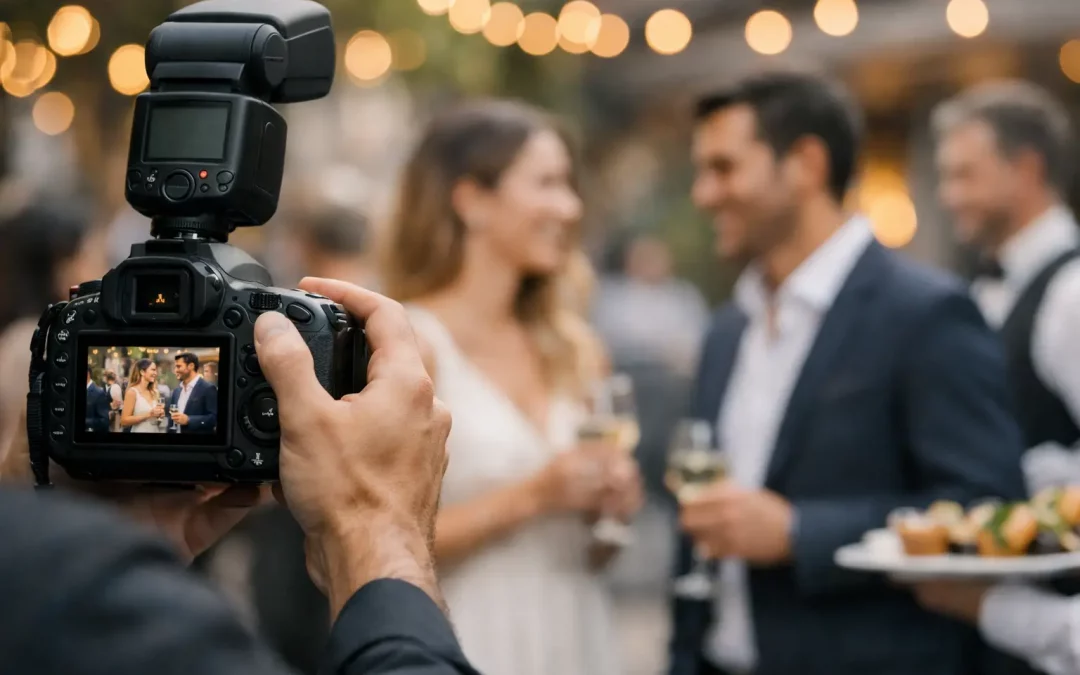
The best event photography services do far more than record who attended. They preserve the feeling in the room: the welcome at the door, the conversation that sparks a new connection, the laughter during speeches and the people who made the occasion matter. Whether you are hosting a company celebration, a launch, a private party or a family milestone, thoughtful photography gives you polished images without making the event feel like a photoshoot.
A good photographer should bring calm organisation to the background while remaining alert to the moments that cannot be repeated. That balance is especially valuable in London events, where timings are often tight, venues can be busy and guests want to enjoy themselves rather than pose all evening.
Event photography services should feel personal
Every event has a different purpose. A business event may need confident, natural images of speakers, guests and branded details for future marketing. A birthday, anniversary or family gathering may be all about the people in the room – grandparents with grandchildren, friends reconnecting and the host finally able to relax.
The photography should reflect that distinction. A set of technically sharp photographs is only part of the job. The stronger collection also tells a clear story: where the event took place, how it looked, who was there and what it felt like to be part of it.
Portrait experience makes a real difference here. People rarely look their best when they feel watched or rushed. An experienced photographer knows how to approach guests warmly, offer gentle direction when it helps and step back when a candid moment is unfolding naturally. The result is flattering imagery that still feels truthful.
The people are the priority
Venue shots and carefully chosen details have their place, particularly at a launch, awards evening or corporate reception. They establish the setting and show the care that went into planning. Yet the photographs people return to are usually the human ones: a speaker finding their rhythm, colleagues celebrating together, a child laughing or a host greeting someone they have not seen for years.
This is why it is useful to choose a photographer who is comfortable with portraits as well as documentary coverage. They can create a relaxed group photograph efficiently, then move through the room looking for unforced expressions and connections. No one needs to spend the evening standing in a queue for photographs.
Plan the photography around the event, not the other way round
The most successful coverage begins before guests arrive. A short conversation about the event allows the photographer to understand the schedule, the venue, the important people and the images that will be most useful afterwards. It also prevents the common disappointment of realising that a key person, performance or presentation was missed.
For a corporate event, that conversation might cover arrival shots, keynote speakers, sponsor branding, networking, award recipients and a few strong team portraits. For a private celebration, it may focus on family groupings, speeches, cake-cutting and particular guests who have travelled a long way. These priorities do not need to become a rigid shot list. They simply give the photographer a clear sense of what must not be overlooked.
Timing matters more than many hosts expect. If you would like a formal group photograph, it is usually best to arrange it before people have spread out, or immediately after a key moment when everyone is already together. If the venue has beautiful natural light, a short portrait window before the event begins can be particularly worthwhile. Once the room fills, documentary photography tends to take the lead.
Allow room for the unscripted moments
A detailed plan is helpful, but the strongest event photographs often happen between the planned moments. The warm exchange before a speech, the reassuring hand on a nervous presenter’s shoulder or the burst of applause after an announcement cannot be staged.
That is why event coverage needs a photographer who can read the room. They should be aware of the schedule without becoming fixed on it, moving quietly where needed and anticipating what is about to happen. At a lively drinks reception, for example, the focus may be on mingling and atmosphere. At a conference, it may be important to cover each speaker from an angle that feels energetic and professional, while also capturing audience engagement.
Light, venues and the practical details
London venues are wonderfully varied, from bright private dining rooms and gallery spaces to historic halls, hotels and low-lit restaurants. Each presents a different photographic challenge. A photographer should be able to work with available light where it enhances the atmosphere, while using discreet lighting when it is needed to keep faces clear, colours accurate and images refined.
There is a trade-off to consider. Flash can produce clean, polished photographs in dark spaces, but it needs to be used thoughtfully so it does not distract from a speech or spoil the mood on a dance floor. Natural light can feel beautifully unobtrusive, but it may be limited by the time of day, the weather or a venue with few windows. The right approach depends on the event, the space and the style of images you want.
It is also worth thinking about access. A photographer who arrives early can photograph an empty room, table settings, signage and any important styling before guests arrive. This is particularly useful for organisers, caterers, florists and brands who may need imagery of their work in its best condition. It also gives the photographer time to understand the layout and identify the most flattering places for portraits.
Choosing the right photographer for your event
When comparing event photography services, look beyond a handful of attractive photographs. Ask to see coverage from a full event or a substantial selection. You are looking for consistency across changing light, different personalities and fast-moving moments. The images should feel considered from the opening arrivals through to the final speeches or celebrations.
It is also sensible to ask how the photographer works with groups, what happens if timings change and how they handle a difficult venue. A confident professional will not promise that every moment can be controlled. Instead, they will explain how they prepare, communicate and adapt. Events are live occasions, and flexibility is part of the skill.
Style matters too. Some hosts prefer entirely candid coverage, while others value a blend of natural reportage and lightly directed portraits. Neither choice is better in every situation. The key is to be clear about what will make the finished gallery useful and meaningful to you.
For professional clients, consider where the photographs will be used. Images for social media, press coverage, websites and internal communications need to show both the scale of the occasion and the quality of the interactions within it. A thoughtful mix of wide shots, engaging portraits and close details gives your team far more to work with than a gallery made up solely of people standing in groups.
A relaxed experience creates better photographs
Guests notice the energy a photographer brings into a room. Someone who is calm, friendly and observant helps people feel at ease, particularly those who usually avoid the camera. There is no need for a photographer to dominate an event to capture it well.
At Henrietta Photography, event coverage is shaped by the same portrait-led approach used across business and family photography: helping people look comfortable, confident and like themselves. That can mean offering a little direction for a group portrait, then disappearing into the background as the evening unfolds.
The value of professional event photography becomes clearer once the room has been cleared and the occasion is over. A well-made gallery lets you revisit the atmosphere, share the experience with those who could not attend and recognise all the small moments that were easy to miss while hosting. Give the photography a little thought before the day, then give yourself permission to be present in it.