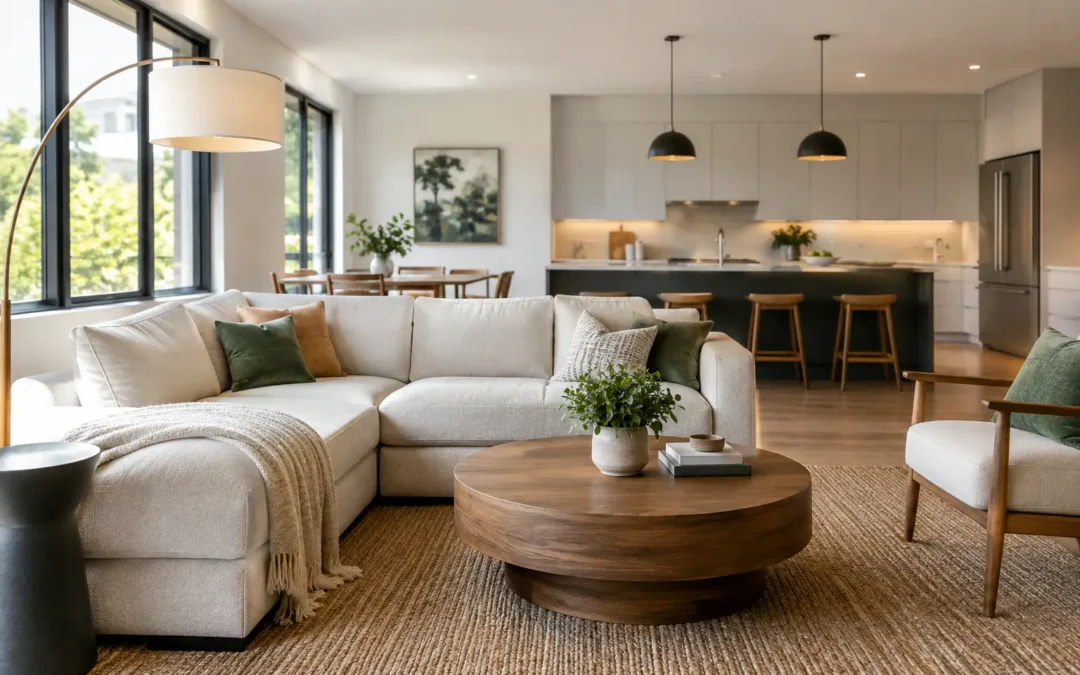
A beautifully designed room can feel unexpectedly flat in a quick mobile phone photograph. The warmth of timber disappears, a carefully chosen paint colour turns grey, and a generous room can somehow look cramped. Interior photography is about correcting that gap between how a space feels in person and how it is experienced on a screen or page.
For interior designers, architects, hospitality teams and property professionals, the images are often the first introduction to the work. They need to show more than square footage or furnishings. They need to communicate atmosphere, thoughtful planning and the small decisions that make a space distinctive.
What Strong Interior Photography Needs to Do
A successful interior image gives the viewer a clear sense of place. They should understand the shape of the room, where the light comes from and how one area relates to the next, while still noticing the character in the materials and styling.
That balance matters. A photograph that is technically bright but visually busy can make a carefully calm room feel unsettled. Equally, an overly dark and dramatic image may suit a particular editorial story but conceal details a prospective client needs to see. The right approach depends on the purpose of the photographs and where they will appear.
Light Comes Before the Camera
Natural light is often the starting point for interior photography, particularly in London homes where daylight may be soft, directional or limited by neighbouring buildings. The time of day can change a room completely. Morning light may flatter a north-facing kitchen, while late-afternoon sun can bring warmth and texture to a living area.
Artificial lights can be equally useful, but they need handling with care. Lamps and pendants create atmosphere and help a room feel lived in, yet mixed colour temperatures can make walls and surfaces look uneven. A professional photographer will assess what should be switched on, what should be softened and when additional lighting will help preserve a natural result.
Composition Gives the Room Its Shape
Wide shots establish the layout, but they are not the whole story. A well-planned set of images usually includes wider views, medium compositions and close details. Together, they show how the space works and why it feels special.
Straight lines are particularly important in architectural and design-led imagery. Vertical walls should look vertical, and furniture should feel settled rather than distorted at the edge of the frame. This requires more than standing in a doorway with a wide-angle lens. Camera position, lens choice and careful framing all influence whether a room appears welcoming, balanced and believable.
Details deserve the same attention. The curve of a stair rail, the grain in a bespoke cabinet, a tactile fabric or an arrangement of objects can convey the quality of a project far more effectively than a broad view alone. The aim is not to photograph every item in the room, but to select the details that support the overall design story.
Preparing a Space for Interior Photography
The most polished photographs begin before the photographer arrives. A room does not need to look sterile, but it should be edited. Everyday clutter draws attention away from the design, while over-styling can make a home feel like a showroom with no personality.
Start by deciding what each room needs to communicate. A family kitchen might need to feel bright, practical and sociable. A boutique hotel bedroom may need to feel restful and quietly luxurious. A workspace might need to demonstrate flow, flexibility and a strong brand identity. Those priorities guide the styling choices and the shot list.
It helps to remove items that are visually distracting, highly personal or likely to date the image quickly. Cables, bins, remote controls, cleaning products and excess packaging are easy to overlook in person but immediately noticeable in a photograph. At the same time, leave enough character in place. Books, artwork, flowers and considered textiles can add scale, warmth and a sense of real life.
Windows and reflective surfaces need a little thought too. Clean glass, polished taps and unmarked mirrors make post-production more efficient and the final result more refined. If exterior views are a selling point, make sure curtains and blinds can be opened fully and that any outdoor area is as presentable as the room inside.
Interior Photography for Different Types of Space
There is no single visual formula for every project. A property listing may need clear, comprehensive coverage that helps a viewer understand the layout quickly. An interior designer’s portfolio needs more emphasis on materials, craftsmanship and the individual decisions behind the scheme. A restaurant, clinic or office has to convey both design quality and the experience of being there.
For designers and architects, photographs should support the project rather than compete with it. This may mean allowing negative space, keeping colours true to life and recording key sightlines exactly as they were intended. A strong portfolio is built on consistency, so it is worth agreeing the visual direction before the shoot, especially when images will sit beside previous work.
For hospitality and commercial spaces, the human experience becomes more important. An empty café can look immaculate but slightly lifeless; a discreetly placed coffee cup, folded napkin or open menu can suggest welcome without becoming a distraction. If people are included, they should feel natural and purposeful. The image should still be about the environment, not a posed scene happening inside it.
For homes being presented for sale or rental, honesty is essential. Good photography makes the most of a property without misrepresenting its proportions, light or condition. Excessively wide views may make a room seem bigger at first glance, but disappointment at a viewing benefits nobody. The most effective images are generous, clear and accurate.
Why Styling and Photography Work Best Together
A photographer can make thoughtful adjustments on the day: straightening a chair, moving a lamp to improve balance or removing an object that catches the eye for the wrong reason. However, photography cannot replace good preparation or solve every styling question in post-production.
If the project has a stylist, designer or art director involved, a short conversation before shooting is invaluable. Discuss the non-negotiable features, the hero rooms, any finishes that need close attention and the intended use of the images. Editorial coverage, award submissions, brochures, social content and press imagery may all require slightly different crops and priorities.
This planning also avoids a common problem: having beautiful images of the main room but no usable portrait-format frames, detail shots or clean compositions with space for text. Capturing a variety of orientations during the session gives a business more flexibility later, without compromising the visual coherence of the collection.
The Value of a Calm, Considered Shoot
Interiors are often photographed around busy schedules, handovers, builders finishing small jobs or a narrow patch of favourable daylight. A calm process makes a considerable difference. Allowing time to walk through the space, test the light and refine each composition helps the images feel intentional rather than rushed.
It is also worth being realistic about what can be achieved in one session. A compact flat with a clear brief may be photographed efficiently. A large house, hotel or multi-room commercial project needs more time, particularly when lighting, styling and multiple viewpoints are involved. Rushing from room to room usually shows in the final gallery.
At Henrietta Photography, the same attentive approach used to help people feel comfortable in front of the camera brings a useful sensitivity to spaces: noticing what deserves emphasis, what needs simplifying and how the finished images should make the viewer feel.
Choosing Images That Continue to Earn Their Place
The best interior photographs remain useful long after the initial launch. They can support a website refresh, a press feature, a design award entry, a printed brochure or a social campaign. For that reason, quality matters more than simply having a large number of files.
When reviewing a gallery, look for images with a clear job. There should be establishing views that explain the space, details that demonstrate care and a few memorable frames that carry the personality of the project. Colour should feel consistent across rooms, and retouching should be subtle enough that the design remains credible.
A room is never only a room. It is a collection of choices about light, movement, comfort and identity. Give those choices time and thoughtful attention, and the photographs can let people feel the value of the space before they have even stepped inside.