A great business headshot can be let down by one surprisingly small decision: what sits behind you. The best backgrounds for business headshots do more than fill empty space. They support your professional message, keep attention on your expression and clothing, and make the finished portrait feel appropriate wherever it appears – from LinkedIn and company websites to press features and speaker profiles.
There is no single background that suits every professional. A solicitor, a creative director and the founder of a growing business may all want polished images, but the atmosphere they need to create is different. The right choice begins with how you want clients, colleagues or recruiters to perceive you.
What a business headshot background should do
A background should make you look credible without becoming a subject in its own right. In a strong portrait, the viewer notices your face first: the eyes, expression and sense of confidence. The setting then quietly gives that image context.
For most business portraits, a successful background has three qualities. It is uncluttered, suitably coloured and in keeping with your work. It should also work at small sizes. A background that looks interesting on a large screen can become distracting when the image is cropped into a circular profile photograph.
Depth is helpful too. When the background sits a little way behind you and is gently out of focus, it feels more considered than a flat snapshot while keeping the portrait firmly about you. This is one reason a professional photographer will pay attention not just to the backdrop itself, but to distance, lens choice and lighting.
Best backgrounds for business headshots
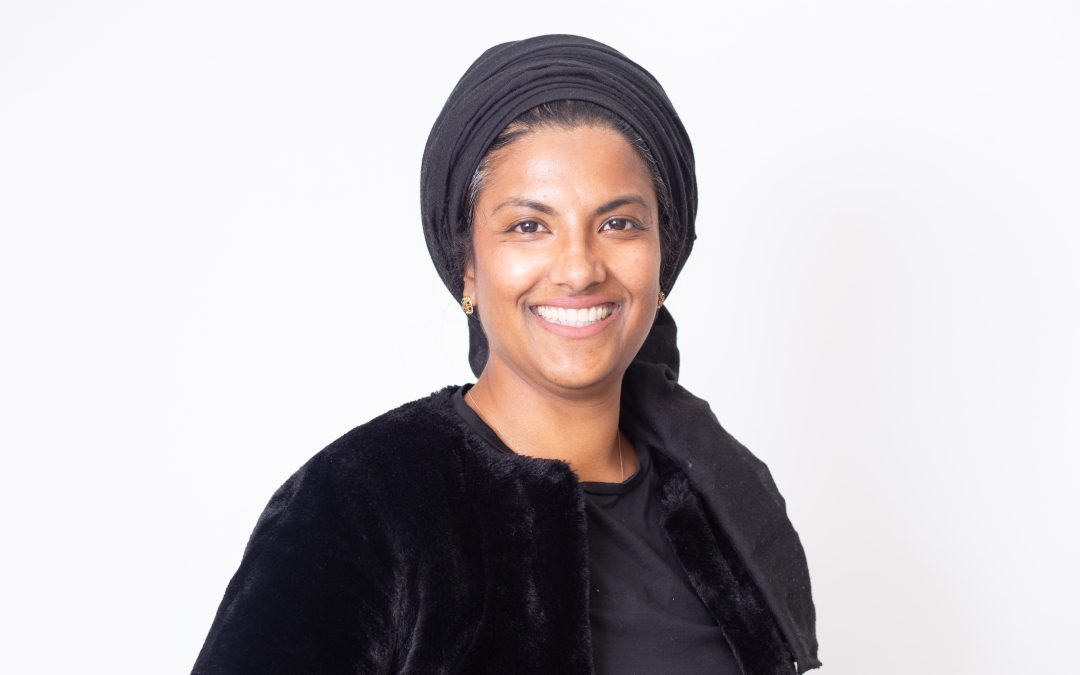
A clean neutral studio background
Soft grey, warm off-white, pale stone and muted beige are enduring choices for business headshots. They are refined, flattering and adaptable, particularly if you need one portrait to work across several platforms. A neutral studio background can feel quietly premium and gives your clothing, skin tone and expression room to breathe.
Grey is often an excellent all-rounder. A lighter grey feels open and contemporary, while a deeper charcoal can add presence and authority. Off-white has a fresher, lighter feel, but needs careful lighting and wardrobe choices so that fair clothing does not disappear into the backdrop.
For senior leaders, consultants, financial professionals and anyone who wants a timeless image, neutral studio portraits are difficult to beat. They are also a sensible choice for a company needing visual consistency across a whole team.
A dark studio background
A deep charcoal, navy or near-black background can create a more dramatic and editorial business portrait. It can be especially effective for founders, senior executives, authors and speakers who want their image to have weight and confidence.
The trade-off is that darker backgrounds demand a little more care. Dark jackets against a dark backdrop can lose definition unless the lighting is thoughtfully shaped. A photographer can introduce separation through a subtle rim of light or position you so the tones remain distinct. The result should look elegant, not severe.
A dark backdrop is not automatically more formal. Paired with relaxed posture and a natural expression, it can feel modern and approachable. Paired with very formal styling, it becomes more traditional. That flexibility is useful when your personal brand sits somewhere between corporate and creative.
A softly blurred office or workspace
An office background can immediately communicate what you do, especially for business owners, architects, designers, consultants and teams. Natural light, a clean meeting room, a desk area or a well-designed workspace can make a portrait feel credible and grounded in real working life.
The key word is clean. A busy desk, rows of monitors, filing cabinets and half-empty coffee cups send the eye in too many directions. The strongest office headshots use only enough of the space to suggest a professional environment, with the background softened so that it does not compete with the person in front of it.
This approach works beautifully when your premises are part of your brand. A well-designed North London studio, practice or office can add personality that a plain backdrop cannot. If the office is cramped, poorly lit or visually busy, however, a studio-style setting may produce a more polished result.
An outdoor urban setting
For entrepreneurs, creatives and professionals working in people-focused or design-led fields, an outdoor London setting can bring energy and a sense of place. Textured brick, soft greenery, modern architecture or a calm street backdrop can feel current without appearing overly casual.
Outdoor portraits are at their best when the location is chosen with restraint. Strong sunlight creates harsh shadows and squinting, while crowded pavements can turn a professional image into a logistical challenge. Open shade, a quieter spot and a background that falls gently out of focus tend to produce the most flattering results.
This option is particularly useful if you want more than one look from a session. You might choose a classic neutral portrait for your company profile, then a more relaxed outdoor image for a personal website or social media. Consistency still matters, so keep wardrobe and overall tone aligned.
A background with subtle texture
A painted wall, softly textured paper, timber panelling or a restrained architectural surface can add warmth and character. Texture is a good middle ground for someone who finds a plain studio backdrop too minimal but does not need a full environmental portrait.
The texture must remain subtle. Strong patterns, bright artwork and high-contrast lines can be unforgiving, particularly once the image is cropped. Think of the background as a supporting fabric rather than a feature wall. It should give the photograph depth without asking for attention.
Warm neutrals are often flattering, but cooler tones can suit brands in technology, law or finance. Your wardrobe matters here: a textured backdrop and a heavily patterned shirt usually create too much visual activity together. Let one element do the talking.
Matching the background to your brand and role
Before a headshot session, consider where the photograph will live and what you would like it to say in the first few seconds. A recruitment consultant may need warmth and trust. A barrister may prefer clarity and authority. A wellness founder may want a lighter, more personable visual style.
Your company branding can offer useful clues, but it should not dictate every decision. Matching a background exactly to your logo colour can look forced and date quickly. It is usually better to choose a complementary tone that sits comfortably alongside your website and marketing materials.
For company teams, agree on a simple visual direction before anyone steps in front of the camera. Everyone does not need the identical background, pose or outfit, but a shared colour palette and lighting style will make the final gallery feel cohesive. This is particularly valuable on an About Us page, where mismatched headshots can unintentionally make a well-established business look less organised.
Colour, clothing and contrast
Background choice and wardrobe should be planned together. If you are wearing navy, black or dark green, a mid-tone or lighter background often creates pleasing separation. Lighter tops can work well against darker backdrops. Mid-tone clothing on a mid-tone background can look understated, but may need carefully placed lighting to avoid a flat result.
Avoid selecting a background solely because it is your favourite colour. A shade that looks lovely in a room may cast an unflattering colour onto skin or clash with your clothing. Muted tones generally photograph more elegantly than very bright ones.
Patterns deserve the same caution. A subtle check or textured knit can be appealing, yet it is wise to keep either the outfit or the background simple. In business headshots, clarity nearly always wins over novelty.
Questions to settle before your session
A little preparation makes the choice much easier. Think through these four points before speaking with your photographer:
- Where will the headshot be used most often: LinkedIn, a company website, press, presentations or social media?
- Do you need the image to feel formal, relaxed, creative, established or somewhere in between?
- Will other members of your team be photographed in the same style?
- Which colours do you expect to wear, and will they stand out from the proposed background?
Bring a couple of clothing options if possible. Seeing a jacket, shirt or blouse against the backdrop is more reliable than trying to imagine the combination. An experienced portrait photographer can also guide you towards the setting that best suits your colouring, role and intended use.
Let the setting support the person
The most effective business headshots feel effortless, but they are rarely accidental. Background, light, expression and wardrobe all have a role to play. At Henrietta Photography, the aim is always to create a portrait that looks polished while still feeling recognisably like you.
Choose a background that gives your audience the right first impression, then allow your confidence to carry the image. That is what they will remember long after the backdrop has done its quiet work.