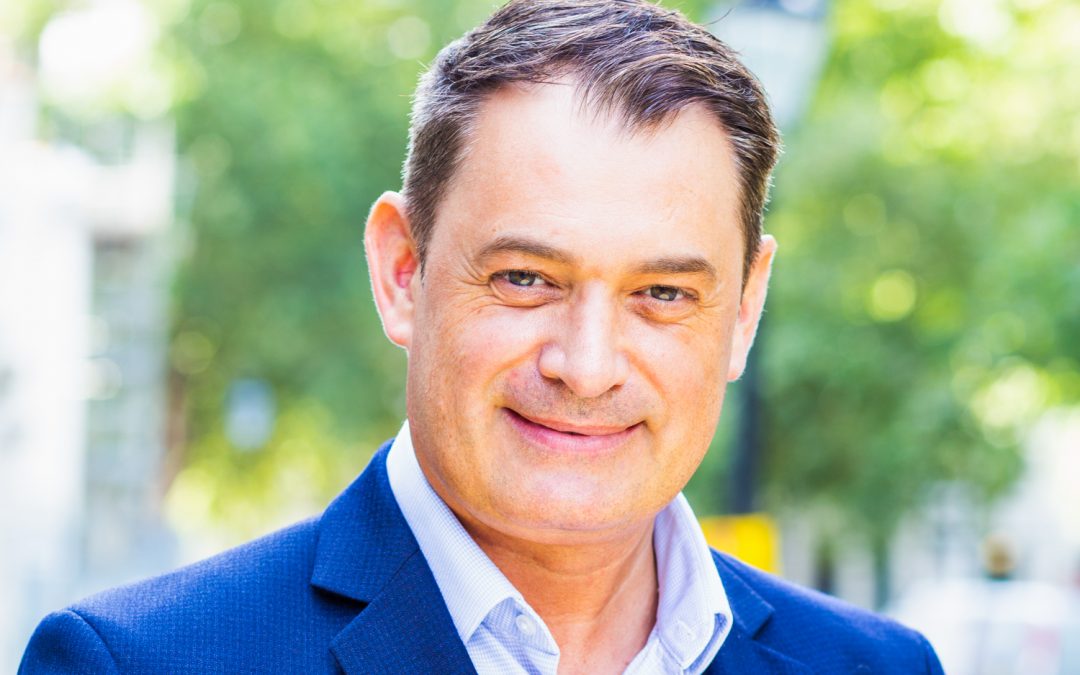
A good headshot can do a surprising amount of heavy lifting. It may be the first thing a casting director sees, the image attached to your LinkedIn profile, or the portrait that introduces your business before you ever speak to a client. That is exactly why knowing how to prepare for headshots matters. The aim is not to look unlike yourself. It is to look like your best, most confident, most recognisable self.
The strongest headshots rarely happen by accident. They come from a bit of thought beforehand, sensible choices on the day, and working with a photographer who knows how to help you relax. Preparation does not need to feel complicated, but it does make a visible difference.
How to prepare for headshots without overthinking it
Most people worry they will get something wrong. In reality, the best preparation is practical rather than dramatic. You do not need a full makeover, a brand-new wardrobe, or a week of rehearsing smiles in the mirror. You need to arrive looking rested, well put together, and comfortable in your own skin.
Start by thinking about the purpose of the images. A corporate profile headshot calls for slightly different styling from an actor’s Spotlight headshot or a portrait for a personal brand. Your clothes, grooming and overall finish should suit where the image will be used. If the photo is for work, ask yourself what you would want a future client, employer or collaborator to feel when they see it. If the photo is for casting, the question is slightly different – does it still look unmistakably like you on an ordinary good day?
That distinction matters. Business portraits can carry a little more polish. Actor headshots need honesty and recognisability. Neither should feel stiff.
Choose clothing that supports your face
Clothing is where many people either do too much or too little. The safest approach is to choose outfits that keep attention on your expression rather than competing with it.
Plain colours usually work better than busy prints. Strong patterns, large logos and fussy details can date an image or distract from your face. Mid-tones and richer neutrals tend to photograph beautifully, while very bright colours or stark white can sometimes dominate, depending on skin tone and lighting. Black can look elegant, but if everything is very dark it may feel heavy. This is where experience behind the camera helps – what works for one person may be less flattering for another.
Fit matters as much as colour. Clothes should sit well and feel comfortable when you stand, sit and move. If you are tugging at a neckline or adjusting sleeves every few minutes, it will show in your posture. Bring options if you can, but bring good options. Three thoughtful choices are more useful than a bag full of indecision.
For business headshots, structured pieces such as blazers, simple dresses, knitwear or well-cut shirts often work well. For actors, stick to clothing that feels current, simple and true to type without turning into costume. For personal branding, there is more room for character, but clarity still wins.
Grooming should look like you on your best day
If you are wondering how to prepare for headshots from a grooming point of view, think refinement rather than reinvention. The camera notices detail, but it also notices when someone looks overdone.
Hair should be freshly cut or coloured only if there has been enough time for it to settle. The day before is often risky. If you are having a haircut, do it several days in advance so it feels natural again. The same goes for brows, beard shaping or any treatment that might leave redness.
Make-up photographs best when it is clean, balanced and slightly more defined than everyday wear, but still believable in person. For business portraits, polished and understated is usually right. For actors, casting teams want to see you, not a heavily styled version of you. Matte finishes often help because shine can catch studio lights, though skin should still look like skin.
Men benefit from a bit of preparation too. A tidy shave or neatly trimmed facial hair, moisturised skin and a check for dry lips all make a difference. If you wear glasses every day, bring them, but it can be helpful to have a few frames or a no-glasses option if reflections become an issue.
The week before your session
Preparation becomes much easier when you do a few small things early. Try on your chosen outfits well in advance. Check for creases, missing buttons, lint, or anything slightly sheer under studio lighting. If you are planning to wear several looks, hang them separately so the morning feels calm rather than chaotic.
Get enough sleep in the days leading up to the shoot. One miraculous early night rarely cancels out a stressful week, but a bit of rest shows in your eyes and skin. Hydration helps too. You do not need to become saintly, just sensible.
Avoid trying anything experimental just before your session. That includes drastic skincare, fake tan if you do not usually use it, new hair products, or make-up styles you have never worn before. Headshots are not the time for surprises.
If the images are for work, it can also help to look at where they will appear. A website homepage may suit a different crop or mood from a formal team profile. If the images are for acting, know which casting platforms or agencies you are updating and keep your type and current look in mind.
What to bring on the day
Turn up with the practical bits sorted and the whole session will feel smoother. Bring your outfit choices clean and pressed, ideally on hangers. A small brush or comb, simple make-up for touch-ups, tissues, water, and anything you use to keep hair in place are all sensible additions.
If you wear shirts or jackets, travel in something comfortable and change on arrival if possible. This helps avoid creasing and collar marks. If you are prone to shiny skin, blotting papers can be useful. If you wear glasses, give them a proper clean before stepping in front of the camera.
Do not underestimate timing. Arriving rushed sets the wrong tone. A few extra minutes to settle in, breathe and have a chat with your photographer can transform how you feel.
Your mindset matters more than you think
The most common worry is simple: people think they are not photogenic. Usually, what they really mean is that they feel awkward being photographed. Those are not the same thing.
A good headshot does not depend on having model experience. It depends on feeling guided, comfortable and seen properly. You do not need to know what to do with your face. You do not need to arrive with a library of poses. What helps most is coming in open to direction and giving yourself permission not to get it perfect in the first five minutes.
Expression in a headshot is often subtle. Tiny shifts in posture, jaw tension, eye line or breathing can change the whole image. That is why it is worth working with someone who understands portraiture rather than simply taking a quick picture. Henrietta Photography, for example, is known for creating polished portraits while keeping the experience relaxed, which is often exactly what people need to get images that feel natural rather than forced.
Small details that make a big difference
There are a few easy things people forget. Check your nails if your hands may appear in frame. Remove anything from pockets that creates bulk. If you wear a watch or jewellery, keep it simple unless it is a deliberate part of your personal style. Necklaces that twist, earrings that catch awkwardly, or anything noisy and distracting can become surprisingly irritating during a session.
Think about underlayers too. Visible straps, bunching fabric or underwear lines can affect how clothes sit. It is not glamorous advice, but it is useful advice.
If you are booking hair and make-up professionally, brief them on the purpose of the shoot. The finish for a lawyer’s business portrait is different from the finish for a creative entrepreneur or actor. Better to be clear than to spend the session toning something down.
Trust preparation, then let go a little
There is a point where preparation stops helping and starts creating tension. Once your clothes are chosen, grooming is sorted and timing is under control, the best thing you can do is show up ready to be present.
Headshots work when they feel alive. A polished image still needs warmth. A professional portrait still needs personality. The camera picks up more than clothes and lighting – it picks up ease, self-assurance and whether you look comfortable inhabiting your own role.
So prepare well, but do not aim for perfection. Aim for clarity. If you look like yourself on a very good day, you are already most of the way there.