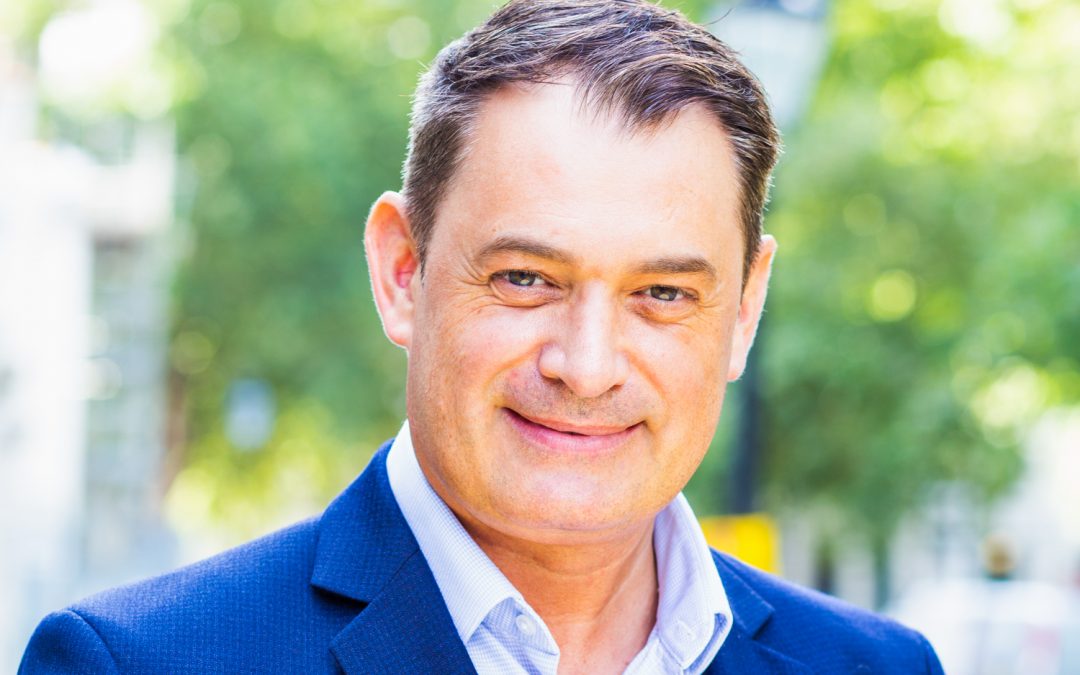
A business headshot often gets seen before you do. It sits on LinkedIn, company websites, press features, speaker bios and pitch decks, quietly shaping first impressions in a matter of seconds. If you want to know how to take professional business headshots that feel polished, credible and still like you, the good news is that the difference usually comes down to a few practical choices made well.
The strongest headshots do two jobs at once. They present you as professional, but they also feel human. Too stiff, and the image looks corporate in the worst sense. Too casual, and it can weaken trust. That balance is why business portraits need a little more thought than simply standing in front of a blank wall and smiling at the camera.
What makes a business headshot look professional
A professional business headshot is clear, flattering and purposeful. It should suit the industry, the platform where it will appear and the message you want to send. A solicitor, a start-up founder and a creative consultant may all need headshots, but the styling, expression and background might vary quite a bit.
What tends to stay consistent is good light, a clean composition, confident posture and an expression that looks relaxed rather than forced. The image should feel current too. One of the most common mistakes is using an old photograph that no longer reflects how you actually look. If someone meets you after seeing your profile photo, there should be no sense of surprise.
How to take professional business headshots at home or in the office
You do not always need a full studio setup to create a strong headshot. Natural light, careful positioning and a bit of preparation can go a long way. That said, there is a difference between acceptable and excellent. If the image is for a senior leadership profile, media coverage or a company-wide brand refresh, professional photography is often worth it. For an updated LinkedIn image or a clean team portrait, a well-planned DIY approach can still work very well.
Start with the light. Soft daylight from a large window is usually the most flattering option. Stand facing the window or slightly turned towards it so the light falls evenly across your face. Avoid bright overhead lighting, which can create shadows under the eyes, and steer clear of direct midday sun, which tends to be harsh and unflattering.
Your background matters more than people think. Plain does not have to mean dull, but it should not fight for attention. A neutral wall, a tidy office setting or a softly blurred interior can all work nicely. If there is visual clutter behind you, the portrait will feel less polished however good your expression is.
Framing is equally important. A classic business headshot is usually cropped from the chest or mid-torso upwards, with your eyes sitting roughly in the upper third of the frame. Leave enough space around the head and shoulders so the image does not feel cramped. Shooting too wide can make the subject feel distant, while cropping too tightly can look awkward.
Camera, lens and phone setup
If you are using a camera, choose a lens that flatters facial features. Something in the short telephoto range is often ideal because it avoids distortion. If you are using a phone, the main thing is to step back slightly and avoid holding it too close to the face. Wide-angle distortion is one reason so many self-taken headshots look less refined than they could.
Use a tripod if possible, or set the phone or camera on a stable surface at eye level. Eye-level framing tends to look confident and natural. Shooting from too low can feel imposing, while shooting from above may look less authoritative for a business portrait.
A timer or remote shutter is helpful, but it is even better if someone else takes the photo while you focus on expression and posture. People almost always look more relaxed when they are engaging with another person rather than glancing anxiously at a countdown.
What to wear for a polished result
Clothing should support the portrait, not dominate it. Solid colours usually photograph better than busy patterns, and mid-tones or deeper shades often work well because they keep attention on the face. Very bright whites can sometimes blow out in strong light, while very dark black can lose detail depending on the setup.
Choose something that feels like an elevated version of what you would wear to meet an important client or colleague. For some people that means a blazer or tailored shirt. For others, particularly in more creative sectors, it may be a smart knit or a simple dress with clean lines. The key is credibility. If the outfit feels unlike you, that discomfort tends to show.
Pay attention to fit and finish. Creased fabric, slipping straps or a collar that will not sit properly can make an otherwise strong image look rushed. Keep jewellery and accessories fairly minimal unless they are part of your professional identity.
Expression and pose without looking stiff
This is the part that many people worry about most, and understandably. Very few people feel instantly at ease in front of a camera. The trick is not to force a big smile or hold a rigid pose. A good business headshot usually lands somewhere between formal and approachable.
Stand or sit tall with your shoulders relaxed. A slight turn of the body away from the camera is often more flattering than facing it square on, then bring your face back towards the lens. That small adjustment adds shape and avoids a flat, passport-photo look.
Think about your eyes as much as your smile. A pleasant expression without engagement in the eyes can look blank. Instead of telling yourself to smile, think of a person or situation that naturally softens your expression. It sounds simple, but it works far better than trying to perform confidence.
Take plenty of frames. Tiny shifts in chin position, shoulder angle and expression can make a surprising difference. Often the best image appears in the moment just after a posed smile, when the face settles into something more genuine.
Grooming, hair and finishing touches
Professional does not mean overdone. Hair should be neat and intentional, makeup if worn should photograph well rather than feel heavy, and skin should look like skin. Matte products can help reduce shine, especially under office lights or on warm days, but it is best not to chase perfection.
If you wear glasses, check for glare before taking a full set of images. A slight tilt of the frames or a small change in lighting angle can solve the problem. If you have a beard, tidy the edges. If you have flyaway hairs, smooth them before you start rather than relying on editing later.
Retouching should be light-handed. A business headshot should still resemble you on a normal good day. Over-editing is one of the quickest ways to make a portrait feel less trustworthy.
Common mistakes that weaken a headshot
A few issues come up again and again. Poor lighting is the biggest one, followed closely by distracting backgrounds and awkward crops. Then there is the expression that says, quite plainly, I hate having my photo taken. That is not a character flaw, but it is worth working past.
Another common problem is mismatch. A highly formal portrait may look out of place for a personal brand built on warmth and creativity, just as an overly casual image may not serve someone in a more traditional field. Context matters. The best business headshots are not generic. They are appropriate.
It is also worth checking the technical side before you finish. Is the image sharp at the eyes? Is the colour balanced and natural? Does the file size work for where it will be used? A lovely portrait loses impact if it appears blurry or poorly cropped on a company profile.
When it makes sense to book a professional photographer
Knowing how to take professional business headshots yourself is useful, but there are times when bringing in a specialist is the smarter choice. If you need a portrait that represents your business publicly, supports PR opportunities or helps a whole team look consistent, professional photography brings experience that goes beyond camera settings.
A good portrait photographer will guide expression, posture, wardrobe choices and background selection while making the session feel relaxed. That matters more than many people expect. Feeling comfortable is often what turns a decent headshot into a striking one. For professionals across London, especially those who want a polished result without the stress of second-guessing every detail, that reassurance can make all the difference.
The best business headshot is not the one that makes you look like someone else. It is the one that lets people meet you with confidence before you have even shaken hands.