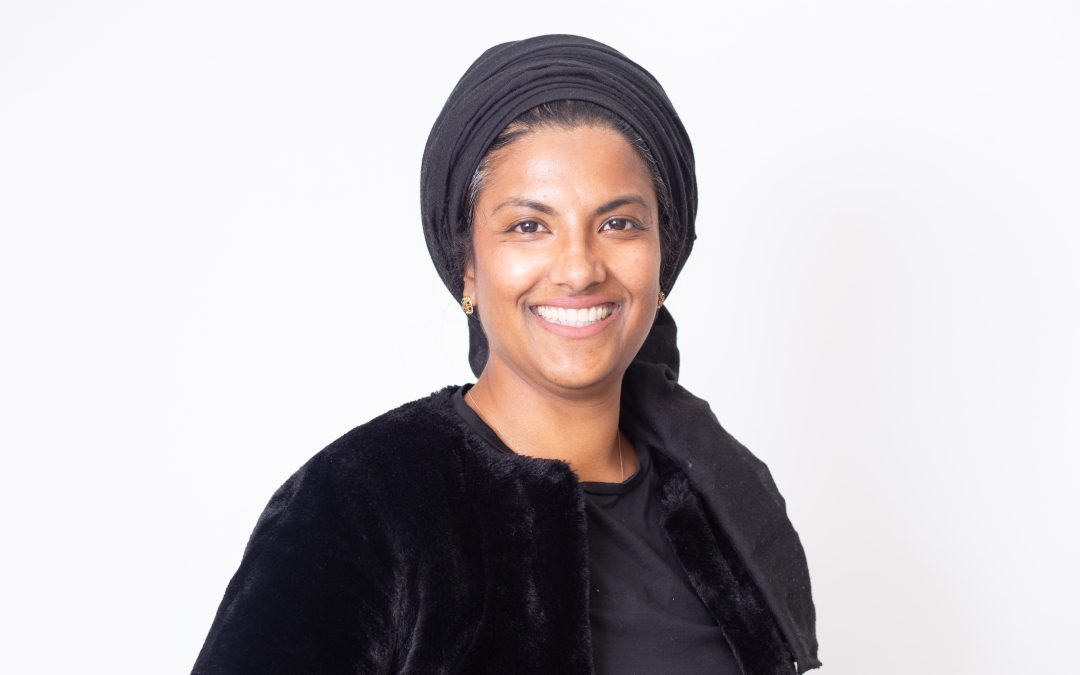
A professional headshot often does its job before you have said a word. It appears on LinkedIn, a company website, a casting profile or a press feature, and in a few seconds it tells people whether you look credible, approachable, polished and ready for the opportunity in front of you. So, what are professional headshots used for? In practice, they are used anywhere your face needs to represent your work, your personality or your role with clarity and confidence.
That may sound simple, but the purpose of a headshot changes depending on who is using it. A solicitor, a start-up founder, an actor and a consultant may all need a professional portrait, yet the image that serves one person well may be entirely wrong for another. That is why good headshots are less about vanity and more about communication.
What are professional headshots used for in business?
For most professionals, headshots are a practical branding tool. They help clients, colleagues and employers put a face to a name, and they shape the tone of that first impression. A crisp, well-lit portrait suggests professionalism and care. A rushed mobile phone photo with poor lighting suggests the opposite, however impressive your CV may be.
LinkedIn is the most obvious example. Profiles with a professional image tend to feel more complete and more trustworthy. If you are networking, applying for roles or building visibility in your field, your headshot becomes part of how people assess you before they reply to your message or agree to a meeting.
Company websites are another major use. Team pages, leadership bios and staff directories all benefit from consistent, high-quality portraits. When headshots are shot in a coherent style, a business looks established and organised. That matters whether you are a law firm in the City, a creative agency in North London or a growing consultancy that wants to look ready for larger clients.
Headshots are also used in presentations, conference materials, speaker profiles and business awards submissions. In those settings, the image needs to feel polished without looking stiff. People want to see someone competent, but still human.
Personal branding and self-employed professionals
If you run your own business, your face may be more central to your brand than you realise. Coaches, therapists, designers, estate agents, nutritionists, architects and consultants often rely on trust long before a client makes contact. A professional headshot helps build that trust.
Used on a website homepage, Instagram profile, press release or media pack, it creates consistency. People begin to recognise you across platforms. That familiarity has real value, especially for small businesses where clients are buying into the person as much as the service.
There is a balance to strike here. Some personal brands need a formal corporate portrait. Others need something softer and more relaxed. The right approach depends on your audience. A barrister and a yoga teacher are both professionals, but they are not trying to signal the same thing.
What are professional headshots used for in acting and performance?
For actors, professional headshots are not optional. They are one of the most important working tools in the industry. Casting directors use them to make quick decisions about who fits a brief, who looks right for a role and who they want to call in.
A strong actor’s headshot does not need to be flashy. It needs to be accurate, current and engaging. If it looks heavily retouched, out of date or unlike the person who walks into the room, it stops being helpful. The best acting headshots feel honest while still being beautifully shot.
They are used on casting platforms, agency profiles, Spotlight listings and audition submissions. They may also be sent directly to casting professionals or included in promotional materials. In each case, the purpose is the same – to show casting teams who you are, what you could play and whether you feel believable on screen or stage.
This is one area where a generic business portrait will not do. An actor’s headshot needs different instincts behind it, because it is less about corporate credibility and more about presence, versatility and truthfulness.
Headshots for press, publicity and media use
Professional headshots are often used well beyond your own channels. Journalists, podcast hosts, event organisers and PR teams regularly ask for a portrait when featuring a founder, expert or speaker.
If you are interviewed for an article, shortlisted for an award or invited onto a panel, someone will usually need an image quickly. Having a professional headshot ready means you are not scrambling through old holiday snaps or cropped group photos at the last minute.
In media settings, image quality matters because it reflects on both the subject and the publication. A clean, high-resolution headshot makes the feature look more credible. It also gives you more control over how you are presented publicly.
For authors, public speakers and business owners, this can become a surprisingly frequent need. Once you start appearing in public-facing spaces, your portrait becomes part of your professional toolkit.
Internal company use and employer branding
Headshots are not only outward-facing. Many organisations use them internally across staff directories, email signatures, intranet systems and onboarding materials. That may seem like a minor point, but it helps people connect more quickly, particularly in larger or hybrid teams.
For recruitment, professional portraits also support employer branding. A careers page with warm, consistent staff photography feels more welcoming than a page filled with mismatched snapshots. It gives potential applicants a sense of the people behind the business.
This is especially useful for client-facing teams. When a new client can see who they will be working with, communication often feels easier from the outset. In service businesses, familiarity reduces friction.
Why the setting and style matter
When people ask what professional headshots are used for, they are often really asking whether one image can do everything. Sometimes it can, but often it should not.
A headshot for a bank executive may need a clean studio background and a formal expression. A portrait for a creative founder may benefit from softer styling and more personality. A therapist may want warmth and reassurance, while an actor may need subtle intensity and openness.
The clothing, backdrop, lighting and framing all influence how the image reads. Even small decisions make a difference. A dark background can feel dramatic and premium. A lighter setting can feel fresh and accessible. Strong eye contact can project confidence, while a gentler expression may feel more inviting.
This is why specialist portrait photography matters. A good photographer is not simply taking a flattering picture. They are helping shape the message.
When a professional headshot is worth the investment
Not every photograph of your face needs to be a formal headshot. If you are posting casual social content, a relaxed image from your mobile phone may be perfectly fine. But when the photograph is representing your work, your expertise or your livelihood, standards change.
A professional headshot is usually worth investing in when the image will appear in places that influence decisions – job applications, company websites, casting profiles, speaking engagements, press opportunities or personal branding materials. In those contexts, quality affects perception.
There is also a practical point. A well-planned session can give you a set of images rather than a single file. That means you have options for different formats and platforms without needing to start from scratch each time.
For London professionals in particular, where competition can be intense and first impressions carry weight, a strong portrait is not an indulgence. It is part of how you present yourself properly.
The real value behind professional headshots
The best headshots do not just show what you look like. They show something useful about you. They suggest competence, warmth, authority, creativity or trustworthiness, depending on what the moment calls for.
That is why professional headshots are used across so many different settings. They help people feel they know who they are dealing with. They add polish to your profile, consistency to your brand and confidence to your public image.
At Henrietta Photography, that is often where the real transformation happens. People come in thinking they simply need a decent photo, and leave with imagery that feels genuinely representative of who they are and how they want to be seen.
If you have been putting it off, it may help to think of a headshot less as a picture and more as a professional asset. Used well, it keeps working for you long after the session is over.