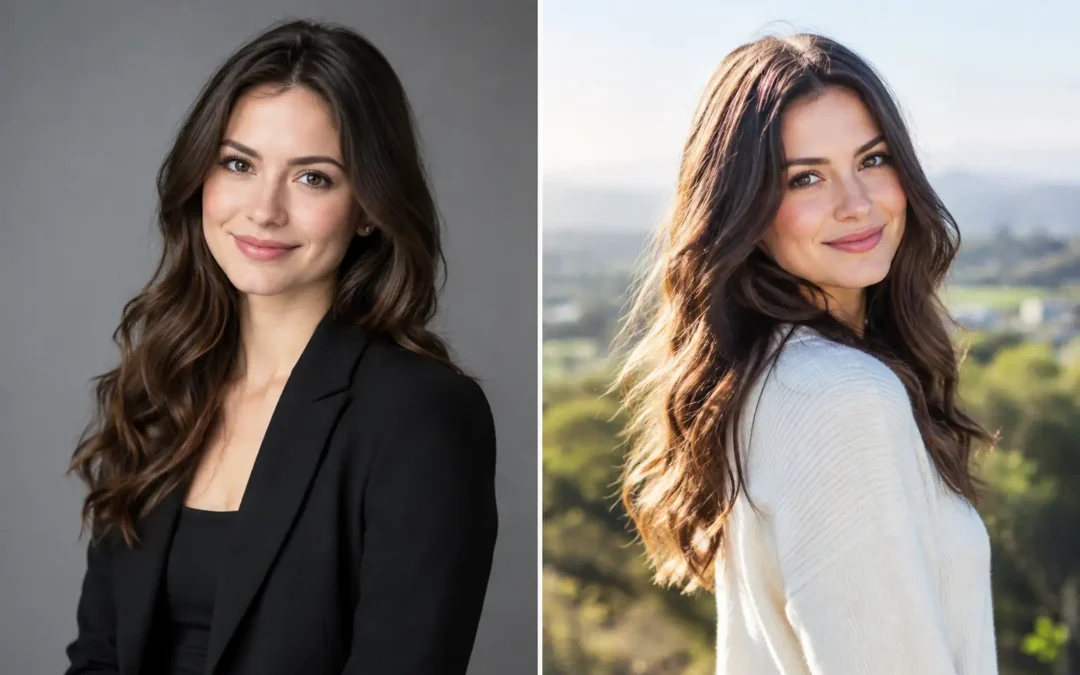
A portrait can feel completely different before the camera has even been lifted. The choice between studio portraits vs outdoor portraits affects the light, the pace of the session, what you wear, and the impression the final images give. Neither setting is automatically better. The right one is the setting that supports what you need the photographs to say.
For a business profile, that may mean calm authority and consistency. For a Spotlight headshot, it may mean a natural, believable likeness that puts your casting type first. For family photographs, it might be the freedom for children to move, laugh and forget there is a camera nearby. The best choice starts with the purpose of the portraits, then considers the practicalities.
Studio portraits vs outdoor portraits: the essential difference
A studio gives the photographer control. Lighting, background, temperature and privacy can all be carefully managed, making it possible to create a clean, polished result whatever the weather is doing outside. It is an especially strong choice when you need a set of images that look consistent across a company website, team page or professional profile.
Outdoors, the environment becomes part of the story. Natural light, greenery, London streets, architectural lines or a familiar local park can bring atmosphere and a sense of place. Outdoor portraits often feel more relaxed and spontaneous, although the photographer has less control over changing light, passing people and, of course, the British weather.
This is not simply a question of formal versus casual. A studio portrait can be warm and full of character, while an outdoor portrait can look highly polished. The distinction is really about control versus context.
When a studio is the stronger choice
Studio photography suits clients who want a refined, distraction-free image. With a simple backdrop and considered lighting, the viewer’s attention stays where it should be: on your expression, presence and personality.
Business headshots that look confident and consistent
For business headshots, a studio is often the most practical option. Lighting can be shaped to flatter different face shapes and skin tones, with no harsh midday sun or unexpected shadows to contend with. This matters when your photograph will appear at a small size on LinkedIn, in a company directory, on a speaker biography or in a press feature.
A controlled setting also makes scheduling easier for teams. There is no need to postpone because of rain, and colleagues can be photographed in the same style over several sessions. If your business wants its people to look approachable, capable and united without appearing overly corporate, a studio session offers plenty of flexibility in backdrop, wardrobe and lighting while keeping the finished set coherent.
Actor headshots with the focus on you
For actors, the priority is a current, truthful headshot that allows casting professionals to see you immediately. A studio setting can be excellent for this because there is very little competing for attention. Clean backgrounds and natural-looking light help the image feel clear, current and casting-ready.
That said, studio does not have to mean stiff. The best expressions tend to emerge once you have had a chance to settle in, talk through the kinds of roles you are pursuing and become comfortable in front of the camera. A relaxed studio session gives time for small adjustments in expression, angle and energy that make a significant difference to a final selection.
Family portraits without the weather gamble
A studio can be an unexpectedly lovely option for family photographs, particularly with babies, very young children or grandparents. It is warm, private and free from muddy shoes, sudden showers and the pressure of trying to keep everyone cheerful in a busy public place.
For families who prefer a timeless look, a plain or softly textured background keeps the attention on connection: a child’s expression, a sibling cuddle, or the unmistakable resemblance between generations. The session can be paced around feeding, changing and rest breaks rather than daylight and park opening times.
Where outdoor portraits come into their own
Outdoor photography has a particular ease to it. Being outside gives people something to do and somewhere to look, which can be helpful if the thought of posing against a backdrop feels daunting. A gentle walk, a chat or a child racing towards a parent often creates photographs with genuine movement and warmth.
Natural light and a sense of place
London offers an enormous variety of portrait backdrops, from leafy North London spaces to clean modern architecture and characterful residential streets. The right location can quietly reinforce your personal brand. A creative professional may suit an urban setting with texture and energy, while a consultant or founder may prefer a quieter, more open environment that feels personable but professional.
Outdoor light can be beautifully flattering, especially on an overcast day or later in the afternoon when it is softer. It changes quickly, however. Bright sun can produce deep shadows and squinting, while a grey sky may require a different approach to keep the images lively. This is where an experienced portrait photographer makes a difference, choosing the best direction of light and working efficiently when conditions are at their most flattering.
Family photographs with room to be themselves
For energetic children, outdoor sessions can be a real joy. Rather than asking them to sit still for long, the photographer can work with their curiosity and movement. Running, collecting leaves, climbing a low wall or holding hands along a path can all become part of the photographs.
The trade-off is that outdoor family portraits are less predictable. Children may be distracted, a favourite patch of grass may be busy, and the weather can force a change of plan. Yet those small imperfections often create images that feel alive. If your priority is capturing your family as you are now, rather than a formally arranged version of everyone, an outdoor setting may be exactly right.
Editorial-looking personal branding
Outdoor portraits can give entrepreneurs and creatives a wider selection of images for websites, social media, interviews and marketing material. Alongside a traditional head-and-shoulders image, you might have space for seated portraits, walking shots and wider frames that leave room for text in a design layout.
This approach works best when the location has a purpose. A random background can look accidental. A setting chosen to complement your work, wardrobe and brand colours will feel intentional without looking contrived.
Think about the message before the scenery
Before choosing a setting, consider where the photographs will be used and what you want a viewer to feel in the first few seconds. A solicitor updating a firm website may need clarity and reassurance. An actor needs recognisability above all else. A family may want photographs that bring them straight back to a particular season of life.
Studio portraits tend to communicate precision, professionalism and focus. Outdoor portraits can communicate openness, personality and narrative. Those are broad tendencies, not rules. Clothing, expression, pose and the way the images are edited all contribute to the final mood.
It can also be useful to think about longevity. A simple studio portrait is unlikely to date quickly, which is valuable for professional headshots you expect to use for several years. Outdoor images may carry more visual character, but a very recognisable seasonal trend, building or fashion choice can make them feel more tied to a particular time.
Practical details that affect your choice
Comfort matters more than many people expect. If you are cold, rushing between locations or worried about your hair in the wind, that tension can appear in your expression. A studio offers a calm place to change outfits, check details and take a moment between looks. It is particularly helpful if you are fitting the session into a working day.
Outdoor sessions usually involve more walking and a little more flexibility. Choose footwear you can move in, even if you change into smarter shoes for some frames. Bring a coat between shots in cooler months, and avoid planning a complicated outfit that will crease or need constant adjustment. For family sessions, snacks, water and a familiar comfort item for younger children are often more useful than asking them to perform for the camera.
Weather is the obvious consideration, but it need not rule out an outdoor shoot. Soft cloud can be ideal portrait light, and a little wind can add movement. Heavy rain, high winds or very poor light may mean rearranging, so an outdoor session benefits from a realistic backup plan.
You do not always have to choose one
For some clients, the most useful answer is a combination. A studio session can provide a strong, classic headshot for formal use, while a nearby outdoor location adds more relaxed images for editorial or social content. This can work particularly well for entrepreneurs who need a range of material, or families who would like both a few timeless portraits and more natural photographs.
The key is not to add locations simply for variety. Each part of the session should earn its place by giving you images you will genuinely use and enjoy.
A good portrait session should feel considered, not pressured. If you are drawn to the calm focus of a studio, trust that instinct. If your personality or family comes alive outdoors, allow room for that too. At Henrietta Photography, the conversation before the session is where the right setting usually becomes clear: what the images need to achieve, how you want to feel, and the photographs you will still be pleased to see years from now.