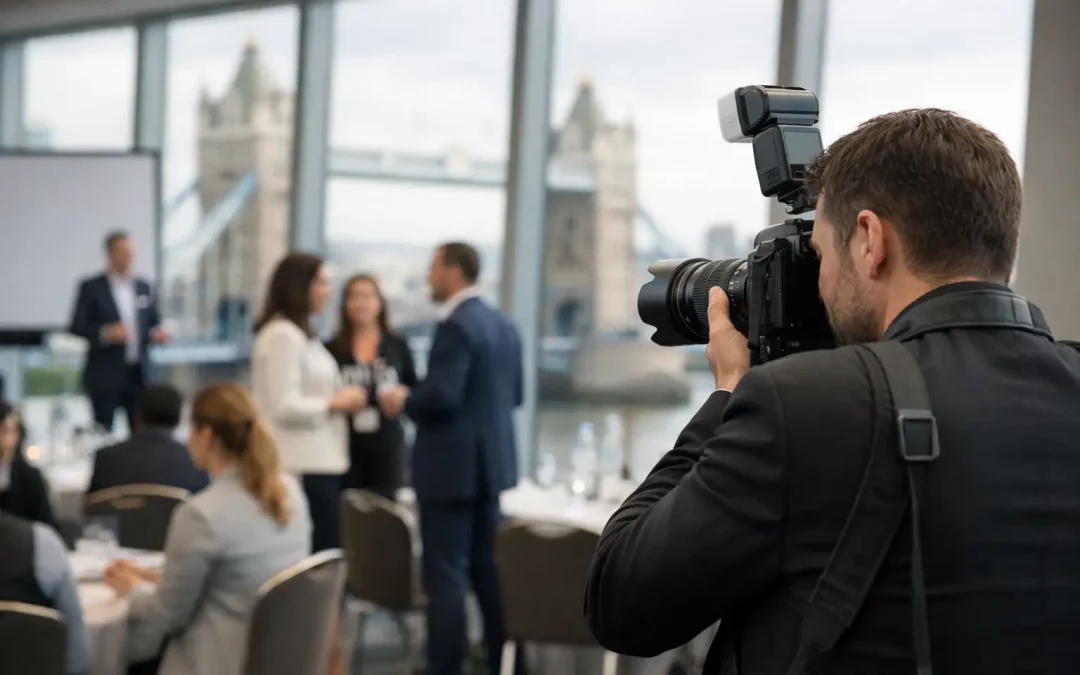
The room may be full, the speakers may be excellent and the catering may disappear in minutes, but the photographs are what remain once your event is over. A corporate event photographer London businesses can rely on does more than record who was there. They capture the energy, professionalism and personal connection that make the occasion worth remembering and sharing.
Whether you are planning a leadership conference, an awards evening, a client reception or a team celebration, event photography has a clear job to do. It needs to reflect your brand well, make guests look comfortable and give your marketing team useful, polished imagery without interrupting the flow of the day.
What corporate event photography should achieve
Good event photography tells a useful visual story. It should show the scale of the venue, the care that has gone into the details and the people who made the event happen. It should also capture the moments that cannot be recreated: a speaker’s expression as a key point lands, colleagues laughing during a break, an award recipient stepping forward, or a guest arriving to a beautifully dressed room.
For most organisations, the images will work hard after the event. They may be used on LinkedIn, in press coverage, across internal communications, in presentation decks and on future event invitations. That means every photograph should feel aligned with the way your business wants to be seen: welcoming, capable, considered and professional.
The balance matters. A gallery made entirely of wide room shots can feel impersonal, while a collection of close-ups without context may not show the scale or significance of the occasion. The strongest coverage combines atmosphere, detail and natural portraits of people engaging with one another.
Choosing a corporate event photographer in London
London offers every kind of event setting, from hotel ballrooms and gallery spaces to contemporary offices, private dining rooms and busy conference venues. Each comes with its own lighting, access arrangements and practical challenges. Choosing a photographer who is experienced with corporate occasions helps the day run more calmly.
Start by looking closely at their event portfolio. You are not simply checking whether the photographs are sharp. Look at how people appear in them. Do guests look relaxed? Are moments observed rather than forced? Is the lighting flattering in a dim venue? Do the photographs feel polished without becoming overly staged?
A photographer with strong portrait experience brings real value here. At a corporate event, people rarely arrive expecting a formal photo session. They may be meeting clients, presenting to a room or catching up with colleagues. The ability to put people at ease quickly, read a group and make a flattering image in a few seconds is a specialist skill.
It is also worth considering the tone of your event. A formal investor dinner calls for a different approach from an energetic product launch or an informal summer party. Some occasions need a discreet photographer who blends into the background; others benefit from someone confident enough to gather small groups for a handful of polished team photographs. There is no single right style, only the style that suits your objectives and guests.
Ask about planning, not just availability
Availability is naturally the first question, but planning is where great coverage begins. A professional photographer should want to understand the purpose of your event, its audience, timings and the images that matter most to you.
Share the running order in advance, including key speeches, presentations, award announcements and any moments involving senior guests. Let them know who needs to be photographed and, where possible, provide name spellings and job titles. This is particularly helpful for events with press, executives, sponsors or visiting speakers.
A short brief is often more useful than a long wish list. Explain where the images will be used and what you would like them to communicate. For example, a recruitment event may need warm, inclusive images of conversations and team culture. A conference may need clear speaker images, branded staging and audience engagement. A client event may place greater emphasis on hospitality, relationships and the setting.
The value of portrait-led event photography
Corporate photography can sometimes become too transactional: a record of banners, handshakes and people standing in rooms. Those images have their place, but the most memorable galleries centre on people.
Portrait-led event photography does not mean stopping every guest for a posed photograph. It means recognising good light, open expressions and natural interactions as they happen. It means being alert to who is talking, listening, presenting and celebrating. It also means knowing when a quick, friendly direction will turn an almost-good group photo into one people are genuinely pleased to use.
This approach is especially valuable when your team includes people who are not used to being photographed. Most people are more comfortable when the photographer is warm, clear and unobtrusive. A little reassurance goes a long way, whether someone is about to speak on stage or is being gathered for a team image between sessions.
Henrietta Photography brings this portrait expertise to event work, creating refined images while keeping the experience relaxed for hosts and guests alike.
London venues, lighting and timing
Beautiful venues do not always offer easy light. A historic room may have low ceilings and warm lamps, while a conference space may be lit with a mixture of daylight, spotlights and projection screens. Evening events can move quickly from bright arrivals to very dark dining rooms.
This is why technical confidence matters. Your photographer should be able to work with available light where it suits the atmosphere, while using discreet flash when it is needed to keep skin tones natural and details clear. The aim is not to make the room look artificially bright. It is to preserve the mood while ensuring the people in it look their best.
Timing makes an enormous difference too. If you would like images of the room before guests arrive, allow access early enough for them to be taken properly. Those quiet images of table settings, signage, flowers and branded materials are often among the most useful for suppliers and social media.
For large events, a short walk-through before doors open can be invaluable. It allows the photographer to identify the best angles, check the stage lighting and agree practical details with the venue team. It also avoids unnecessary interruptions once guests have arrived.
How to get more useful photographs on the day
The best event images are rarely created by chance alone. A little coordination helps your photographer focus on the moments that matter without making the occasion feel overly managed.
Assigning one informed point of contact is particularly helpful. This person can identify key guests, flag timing changes and help gather essential group shots when needed. They do not need to manage the photography, but they can save valuable time when the schedule is busy.
Consider where branded elements will appear. If your logo, event signage or sponsor materials need to be visible, ensure they are placed thoughtfully and are not hidden behind furniture or crowds. Equally, avoid filling every background with competing logos. The cleanest imagery usually comes from a few well-positioned, carefully considered brand touches.
If speakers are important, encourage them to step away from lectern shadows where practical and to look up from notes regularly. A photographer can make strong images from almost any presentation, but a clear face and engaged expression will always create a more compelling result than a head-down shot behind a laptop.
Delivery, editing and image use
Editing is where an event gallery becomes a coherent professional record rather than a set of individual files. Images should be selected carefully, colour-corrected and finished consistently, with attention paid to exposure, skin tones and distracting details.
Before booking, ask how and when your final gallery will be delivered. A next-day selection can be useful if you need prompt social media coverage, while a full edited gallery may follow shortly afterwards. The right turnaround depends on your plans, so mention any deadline from the beginning.
It is sensible to discuss usage too. Many businesses need images for their own marketing and communications, but a clear agreement avoids uncertainty if photographs are later shared with sponsors, speakers or partner organisations. If guests are being photographed at a private event, make sure your privacy and consent process is appropriate for the setting.
Give the event the attention it deserves
Your event has probably taken weeks or months to organise. The photographs should reflect that care, not feel like an afterthought booked at the last minute. When your photographer understands your people, priorities and brand, the result is a gallery that keeps working long after the final guest has gone home.
A brief conversation before you book can clarify the coverage you need, from a focused two-hour reception to full-day conference photography. It is a small part of the planning process, but it gives you the confidence that the best moments will be noticed, handled with care and captured beautifully.