A casting director may spend only a few seconds looking at your image before deciding whether to open your Spotlight profile. That is why the question of actor headshots vs portraits matters far more than a choice of style. Both can be beautiful, confident and professionally made, but they are designed to do different jobs.
A portrait can reveal character, mood and something of the relationship between photographer and subject. An actor headshot has a more immediate task: it needs to show casting teams who you are now, clearly and truthfully, while leaving enough space for them to imagine you in the role.
Actor Headshots vs Portraits: The Essential Difference
The simplest distinction is intention. A portrait is an interpretation of a person. It might be dramatic, relaxed, intimate, editorial or artistic. The photographer may use a distinctive setting, expressive lighting, unusual composition or carefully directed posing to say something about the subject.
An actor headshot is a professional casting tool. It should make your face easy to read, communicate your natural energy and feel current. A strong headshot gives a casting director a useful first impression without asking them to work through a visual concept first.
That does not mean headshots must be bland. Quite the opposite. The best ones have life in the eyes, natural expression and a sense of personality. The difference is that the personality comes from you, rather than from heavy styling, a fashionable filter or an elaborate location.
For actors, this is especially important because casting is based on possibility. Your headshot should help someone see you as a believable candidate for a range of roles. A very stylised portrait can be memorable, but it may also lock you into one mood, age, genre or character type before anyone has watched your showreel or read your credits.
What Casting Teams Need to See
Casting teams are looking for clarity before creativity. They want to recognise you quickly when you walk into the room or join a self-tape call. They also need to understand your playing age, general casting range and the energy you bring.
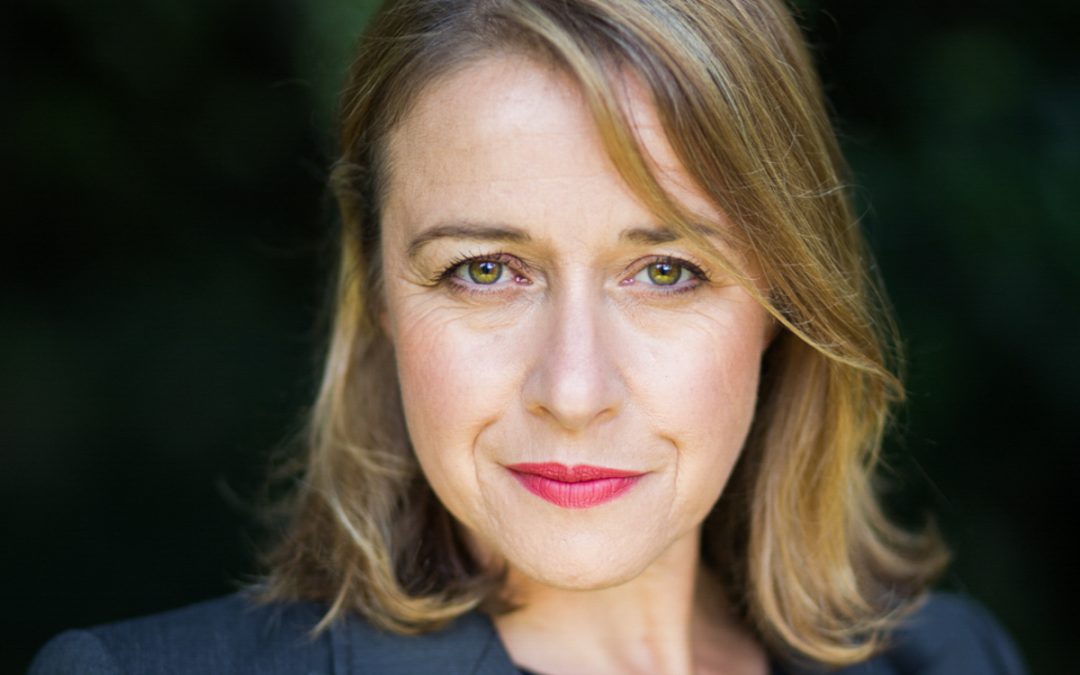
Your face should be the focus. This usually means a close, well-composed image with direct or near-direct connection to the camera, a simple background and lighting that shows your features honestly. Your eyes need to be visible, and your expression should feel engaged rather than fixed in a performance.
A good actor headshot is not necessarily a broad smile. Depending on the work you are seeking, a warm open expression, quiet confidence, intelligence, mischief or grounded seriousness may all be appropriate. The key is authenticity. If the expression would feel unnatural on you for more than a second, it will probably read that way in the photograph too.
Current appearance matters just as much. If you have changed your hair, grown or shaved facial hair, changed your look significantly or simply feel that your existing image no longer resembles the person entering an audition, it is time for an update. A headshot that gets you noticed but creates a mismatch at the audition does not serve you.
The role of clothing and background
Clothing should support your colouring and character without becoming the subject of the picture. Plain or subtly textured layers tend to work well because they provide shape while keeping attention on your face. Very bright whites, dense patterns, prominent logos and highly trend-led pieces can pull the eye away from where it needs to be.
Backgrounds need not be identical for every actor, but they should be quiet enough to keep the image clean at thumbnail size. A softly blurred outdoor setting can work beautifully, as can a simple studio backdrop. The question is not whether the background is fashionable. It is whether it adds to the image without competing with you.
When a Portrait Is the Better Choice
Portraits have a valuable place in an actor’s wider visual world. They are often ideal for personal websites, press coverage, theatre programmes, social media, announcements and creative projects. A more editorial image can communicate confidence and give your materials a distinctive visual identity.
They can also be useful when you are building a portfolio with a director, musician, writer or performer whose work benefits from a stronger sense of atmosphere. In those cases, the setting, styling and composition may tell part of the story.
However, a portrait should not automatically replace your main casting headshot. An image taken from further away, with your face partly in shadow or looking away from camera, may be excellent for publicity but less practical on a casting platform. The same applies to photographs with dramatic colour grading or retouching that changes the texture of your skin and the shape of your features.
There is no need to choose one at the expense of the other. Many actors benefit from a focused headshot session first, then use time towards the end for a few more expressive portraits. This gives you casting-ready images as well as versatile material for the rest of your professional presence.
How a Headshot Session Should Feel
The strongest headshots rarely come from being told to “look natural” and left to figure it out. Most people need a little time in front of the camera to settle, particularly when the image represents their career. A calm, well-directed session makes a real difference.
Your photographer should pay attention to more than lighting and composition. They should notice the small things that affect how you come across: a tense jaw, a lifted shoulder, a smile that arrives before the eyes, or an expression that feels more like a pose than you. Good direction is gentle and specific. It helps you relax while keeping the session purposeful.
It is also worth talking honestly about the work you want to attract. This is not about manufacturing a type that is not yours. It is about understanding your natural casting range and making choices that reflect it. Someone who is often seen for warm, intelligent professionals may need a different feel from an actor who is regularly considered for edgy contemporary drama, even though both images should remain truthful.
Retouching should be light-handed
Professional retouching should refine, not reinvent. Temporary marks, shine or a distracting stray hair can be tidied. Your skin, lines, freckles and the details that make you recognisable should still look like you.
Over-retouching is particularly unhelpful for actors. Casting professionals want an accurate sense of the person they may meet. A polished image is desirable; a filtered version of yourself is not.
Choosing Between Your Final Images
When reviewing your gallery, resist the temptation to select only the most conventionally flattering photograph. The image that feels most striking to you may not always be the one that works hardest for casting.
Look for a shot where your eyes are clear, your expression feels alive and your face is easy to read at a small size. Then ask a trusted agent, acting coach or industry-aware colleague which image looks most like you on a very good day. Their view can be helpful, particularly if they know how you come across in auditions and in the room.
If you are choosing more than one headshot, keep the selection coherent. A small variation in expression, clothing or background can offer range. A completely different hair colour, level of retouching or visual style can make your profile feel inconsistent. The goal is not to create several different people. It is to show a few believable facets of one actor.
A Useful Rule for London Actors
London’s acting scene is competitive, busy and wonderfully varied. Your headshot does not need to shout to be noticed. It needs to be clear, current and compelling enough to make someone pause.
Think of the image as the beginning of a professional introduction. Your casting headshot says, “This is me.” Your portrait can add, “This is some of my world.” Both are worthwhile, but each should be used for the job it is meant to do.
At Henrietta Photography, the aim is to create polished, relaxed images that give actors the confidence to put themselves forward. Bring the version of yourself that casting teams will meet, and let the photograph make that first introduction feel honest, engaging and entirely your own.