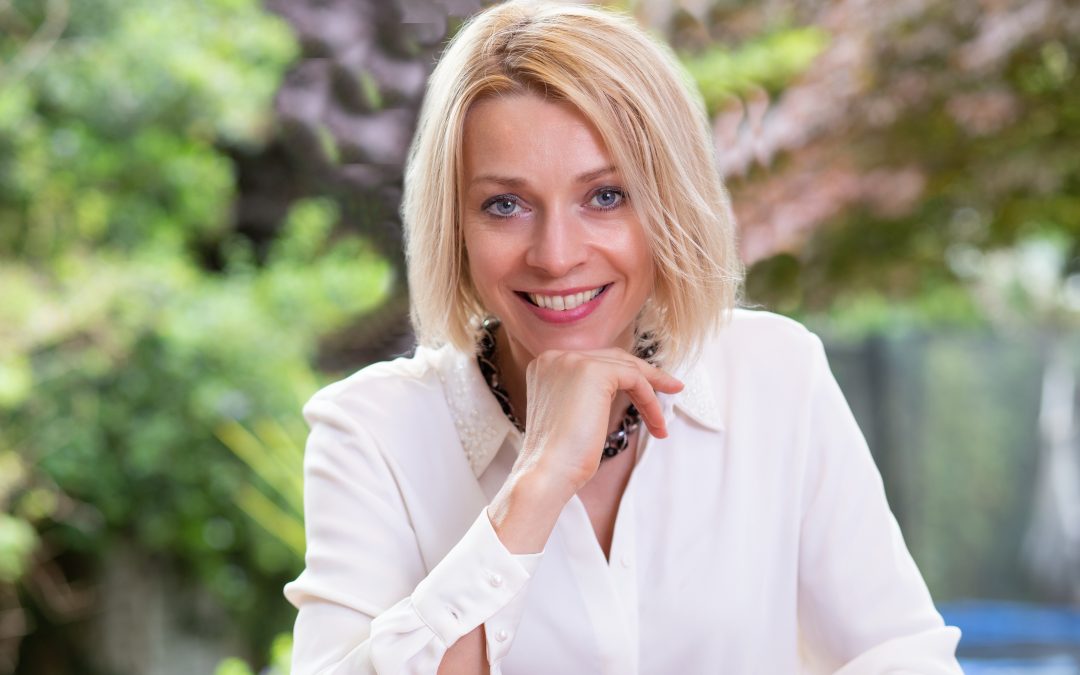
A headshot can feel oddly high-stakes. It may sit beside your name on LinkedIn, introduce your company on a website, or be the first thing a casting director sees on Spotlight. That is why so many people ask how to look natural in headshots without appearing overly posed, stiff or unlike themselves.
The reassuring answer is that natural does not mean unprepared. The most relaxed-looking portraits are usually the result of thoughtful styling, gentle direction and a photographer who gives you room to settle in. You do not need to be photogenic in a conventional sense. You simply need to arrive feeling like yourself, then let the camera meet you there.
Natural is not the same as casual
A natural headshot should still be purposeful. For a business portrait, that might mean looking open, capable and easy to trust. For an actor’s headshot, it means allowing your casting type and personality to come through clearly, without an expression that feels fixed. The right approach depends on where the image will be used.
Trying to look relaxed can sometimes create the opposite effect. People often hold a broad smile for too long, pull their shoulders back too aggressively, or stare directly down the lens as though they are sitting an exam. A good portrait has energy and presence, but it also has ease.
Your photographer should guide the details: where to place your hands, how to turn your body, when to soften your expression and when to take a breath. That direction is not a sign that you are doing badly. It is what makes a professional session feel much less like posing.
Prepare for the version of you people recognise
Choose clothes that feel polished but familiar. If you never wear a sharply tailored suit, a headshot session is unlikely to be the day to begin. Equally, if your work involves meeting clients in smart businesswear, an old casual jumper may not tell the right story.
Think about your audience and your everyday professional identity. A consultant may suit a clean jacket or refined knitwear; a creative founder may prefer a simple shirt with more texture; an actor should generally bring a few options that support different casting possibilities without becoming costumes. Solid colours tend to keep the attention on your face, while very busy patterns, prominent logos and high-shine fabrics can distract.
Fit matters more than labels. A well-fitting top that lets you move and breathe will look better than an expensive outfit you spend the whole session adjusting. Bring a second option if you can, particularly if you are unsure whether a lighter or darker colour will work best against the chosen background.
Hair and make-up should also look like you, on a particularly good day. A light touch often photographs beautifully because it preserves skin texture and expression. If you are having professional hair or make-up done, explain that you want a headshot rather than an evening look. The goal is fresh, considered and recognisable.
How to look natural in headshots starts before the camera comes out
Give yourself enough time to arrive without rushing. A frantic journey across London, a last-minute wardrobe decision or a work call taken immediately before your session can leave its mark in your face and posture. Aim to arrive a few minutes early, have some water and allow yourself to switch gears.
It also helps to avoid scrutinising yourself too closely in the mirror beforehand. We are all accustomed to seeing our own reflection reversed, at a particular angle and in changing light. A professional camera view can initially feel unfamiliar, but unfamiliar is not the same as unflattering.
If you are nervous, say so. Nearly everyone feels slightly awkward at the beginning, including people who spend their working lives in meetings, on stage or in front of clients. Sharing that with your photographer makes it easier for them to tailor the pace and direction. A few minutes of conversation before the first frame often does more for a natural expression than any pose ever could.
Let your body move instead of holding a pose
The quickest route to stiffness is trying to freeze perfectly still. In a good headshot session, you will make small adjustments continually: shifting your weight, rolling your shoulders, changing the direction of your chin or looking away from the camera for a moment before returning.
Rather than facing the lens squarely and forcing your shoulders into position, stand or sit comfortably, then let your torso turn slightly. This creates shape and stops the image feeling flat. Keep your shoulders low. Many people raise them without noticing when they are anxious, which can make the neck disappear and the expression look tense.
Your chin needs the same gentle attention. Pushing it too far up can feel defensive; dropping it too low can create shadows and make you look withdrawn. Usually, a tiny movement forward and down is enough, but it should be directed in the moment because every face, lens and lighting set-up is different.
Hands can be a source of worry, even in a close crop. If they are included, give them a simple job: resting lightly, holding the edge of a jacket, or sitting naturally in your lap. Avoid gripping, clenching or arranging them in complicated shapes. If they are not in the frame, there is no need to think about them at all.
Find an expression that can change
A natural smile is not necessarily a wide smile. Some of the strongest business headshots have a calm, warm expression with only a suggestion of a smile. For actors, different expressions may be useful depending on your casting range. What matters is that the expression reaches your eyes and feels believable on you.
Do not try to hold one face from the start of the session. Instead, let your expression move. Listen to the photographer, react to a question, look away and come back to camera. The in-between moments are often where the most genuine images appear.
It can help to think of a real person rather than an abstract instruction to “smile”. Imagine greeting a client you enjoy working with, hearing good news from a friend, or walking into a room where you belong. This gives your face a reason to respond. It is subtler and more convincing than forcing cheerfulness.
There is a trade-off here. A headshot should not become so relaxed that it loses clarity or purpose. You want warmth, not distraction; confidence, not performance. Your photographer will help you refine that balance as the session progresses.
Trust the light and the direction
Professional lighting is designed to flatter, but it works best when you trust it. Constantly checking your image after every frame can interrupt your rhythm and make you more self-conscious. It is completely reasonable to look at a few images during the session, especially if you are choosing between outfits or expressions, but give yourself permission to stay present too.
Small changes in angle can make a considerable difference. One side of your face may catch the light more softly, or a slight turn may bring out your eyes. This is not about hiding your features. It is about photographing them with care.
At Henrietta Photography, the aim is never to make clients fit a one-size-fits-all pose. Business portraits, Spotlight headshots and personal portraits all need a different kind of connection. A relaxed session creates the space to find yours.
Leave room for a little imperfection
The headshots people respond to are rarely the ones that look most controlled. A slight asymmetry in your smile, a thoughtful expression between laughs or the way your eyes brighten when you are engaged can be far more memorable than a technically perfect pose.
Retouching can tidy a temporary blemish or reduce a distracting shine, but it should not remove your character. You need to look like the person who turns up to the meeting, audition or event. That recognition builds trust, and it is far more valuable than an image that feels overly polished.
Before your session, focus less on becoming camera-ready and more on feeling comfortable in your own skin. Wear something that feels right, arrive with time to breathe, and let yourself be guided. The camera does not need a performance from you. It only needs a moment in which you feel at ease enough to be seen.