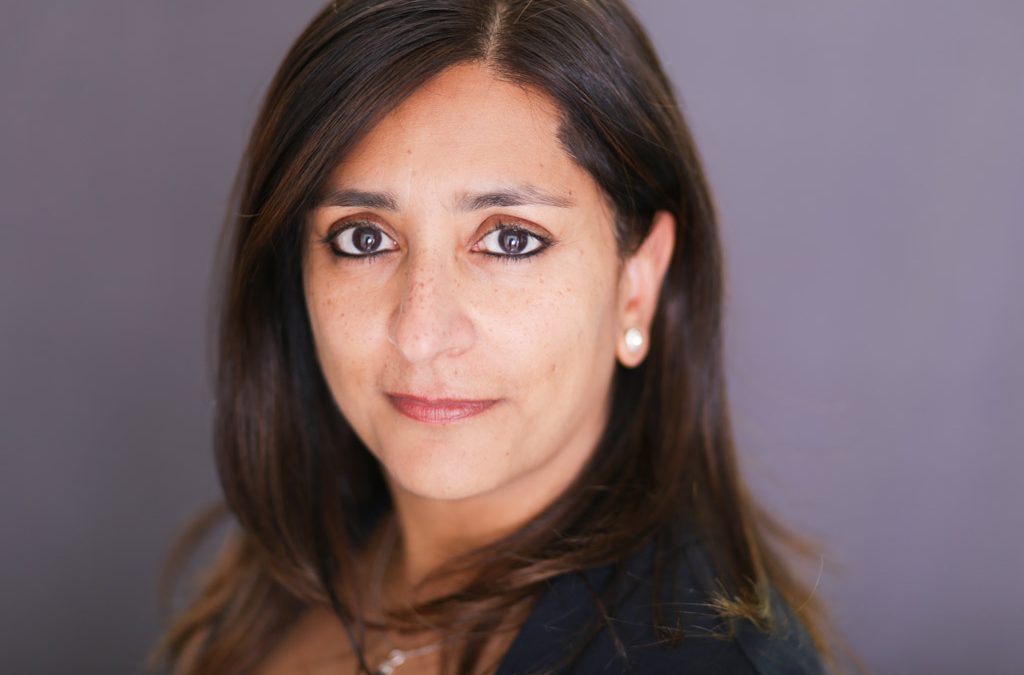
That moment when someone looks you up before a meeting, a pitch or an interview often comes down to one image. A strong first impression is exactly why a business headshot session guide can be so useful – not because you need to look overly polished or unlike yourself, but because you want to look credible, approachable and ready for the work you do.
A good headshot is doing several jobs at once. It should feel professional enough for LinkedIn, company websites and press features, while still looking like a real person clients or colleagues will recognise when they meet you. That balance matters more than people think. The best business portraits are not stiff, over-retouched or corporate in the bland sense. They are clear, confident and believable.
What a business headshot should actually achieve
Before thinking about clothes or hair, it helps to be clear on the purpose of the image. A solicitor, consultant or senior executive may need a portrait that feels polished and authoritative. A therapist, coach or creative founder might want something a touch softer and more conversational. Neither approach is more professional than the other. It depends on who you are trying to reach and how you want people to feel when they see your photograph.
This is where many people go wrong. They assume there is one correct look for a business headshot, when in reality the right image is shaped by industry, audience and where the portrait will appear. A headshot for a law firm biography is different from one for a personal brand website or conference speaker profile. The goal is not to follow a formula. The goal is to create a portrait that supports your role.
Business headshot session guide: how to prepare well
Preparation makes a noticeable difference, but it need not be elaborate. The simplest approach is usually the strongest.
Start with clothing. Choose pieces that fit well and feel like an elevated version of what you would genuinely wear in your professional life. If you never wear a suit, forcing yourself into one can make you look uncomfortable. Equally, if your role is formal and client-facing, this may not be the moment for a casual knit. Think structure, clean lines and colours that flatter your skin tone rather than dominate the frame.
Solid colours tend to photograph better than busy patterns. Very small checks, tight stripes and distracting prints can pull attention away from your face. Mid-tones and richer shades often work beautifully, while bright white can sometimes appear stark and very dark black can lose detail depending on lighting and background. Necklines matter too. They frame the face. A collar, blazer or simple crew neck can all work well, provided the overall look feels intentional.
Grooming should aim for polished, not overdone. Haircuts are best done several days before the session rather than the same morning, so everything has time to settle naturally. If you wear make-up, keep it neat and camera-friendly. If you do not, there is no need to start. For men, a fresh shave or tidy beard line helps. Glasses are fine if you normally wear them, though it is worth cleaning them thoroughly and, if possible, bringing a pair without transition lenses.
Sleep and hydration sound obvious, but they show. So does rushing. If you can, leave enough time to arrive without feeling flustered. A calm start helps your expression far more than any last-minute touch-up.
What to bring to your session
One outfit can be enough, particularly if you only need a straightforward corporate image. But if you want variety, bring two or three options with slightly different levels of formality. A jacket on and jacket off can create a useful shift without changing your whole look. A different top can also alter the tone of the image for different platforms.
Bring anything that helps you feel prepared: a hairbrush, simple make-up for touch-ups, tissues, and perhaps a lint roller. If the portraits are for a company team, check in advance whether there is a preferred background, crop or dress code so your images sit neatly with the rest of the brand.
On the day: what really happens during a headshot session
Many clients worry about posing because they assume they are not photogenic. In practice, most people simply are not used to being photographed with purpose. That is very different. A well-run session gives clear direction, makes space for natural expression and adjusts the small details you would never spot yourself.
Lighting, posture and angle do a great deal of the work. Tiny shifts in the shoulders, chin and eyes can change an image from hesitant to assured. You are not expected to know how to do this alone. A professional photographer will guide you through where to stand, how to hold yourself and when a smile should be full, subtle or not needed at all.
Expect a bit of experimentation at the start. The first few frames often help you settle in. Then the session finds its rhythm. Some people relax quickly; others need a few more minutes. That is perfectly normal. The most flattering expressions usually appear once you stop trying too hard.
Background choice also shapes the final look. A plain studio background feels classic, controlled and versatile. An environmental portrait, perhaps in an office or well-chosen interior, can feel more editorial and personal. Neither is automatically better. Studio portraits are often the most flexible for websites, PR and company use. Location portraits can be excellent for founders, consultants and creatives who want a little more context.
The most common mistakes to avoid
One of the biggest mistakes is dressing for someone else’s idea of professionalism. If your clothes feel unnatural, it will show in your posture and expression. Better to look like yourself on your best day than like a stranger in borrowed authority.
Another issue is trying to use an old social photograph, a cropped wedding guest picture or a heavily filtered image as a business portrait. People notice. A proper headshot does not need to be dramatic, but it should be deliberate.
Over-retouching is another trap. Good retouching should be discreet. It can tidy temporary distractions and refine the image, but your skin should still look like skin. The aim is to look rested and well-presented, not airbrushed into anonymity.
Finally, do not leave the session without considering where the image will be used. A LinkedIn profile may need a tighter crop. A website banner may need more space around you. Press features and speaker profiles sometimes have specific formatting requirements. If those uses are discussed early, the session can be shaped accordingly.
A business headshot session guide for teams and individuals
For individuals, the focus is often on personality and versatility. You may need one image that works everywhere, or a small selection for different parts of your professional profile. In that case, subtle variety is useful – a few expressions, a couple of outfit options, and a mix of vertical and horizontal frames.
For teams, consistency becomes just as important as personality. Lighting, background and framing should feel coherent across the set, even if each person still looks like themselves. This is especially valuable for company websites, proposal documents and internal communications. A team gallery looks far more credible when the portraits clearly belong together.
If your business includes both senior leadership and client-facing staff, it can be worth thinking beyond the basic head-and-shoulders crop. Some organisations benefit from a mix of formal headshots and slightly wider personal brand portraits. It depends on how the business presents itself and how much warmth or formality the brand requires.
How to know if your headshot is working
A successful business headshot does not usually shout for attention. It simply makes the right impression quickly. You look engaged, capable and comfortable in your own skin. The image feels current. It fits your role. And crucially, it does not raise questions.
If someone sees your portrait and thinks, yes, I can imagine meeting, hiring or trusting this person, the image is doing its job. That may sound simple, but it is exactly what professional headshots are for.
In London, where first impressions often travel ahead of you, investing a little care in how you are photographed can have a very practical return. At Henrietta Photography, that process is always about making people feel at ease as well as making them look their best. The two things go together.
If you are planning a session soon, keep it simple: wear what feels right, arrive with a clear sense of how you want to come across, and allow room to be guided. The best headshots rarely come from trying to perform confidence. They come from being given the space to show it.