A strong profile photo can quietly do a great deal of work before you ever walk into the room. For many women, professional business headshots women often search for are not about looking overly polished or corporate. They are about appearing credible, approachable and fully yourself in the spaces where career decisions are made.
That might mean LinkedIn, a company website, a press feature, a speaker profile or your own business branding. In each case, the image needs to do something slightly different. The best headshot is not simply flattering. It should reflect how you want to be perceived and make that impression feel natural.
Why professional business headshots for women matter
A business headshot is often treated as a small detail, right up until someone needs one urgently. Then it becomes obvious how many places that image appears. Recruitment profiles, board biographies, conference materials, PR requests and team pages all rely on a portrait that feels current and professional.
For women in business, there can be an extra layer to this. Many clients want to look polished without seeming stiff, confident without looking severe, and warm without appearing informal. That balance matters because people make quick assumptions from photographs. A well-made portrait helps you shape those assumptions rather than leave them to chance.
It also saves time and second-guessing. If your current photo is cropped from a wedding, taken on a phone in poor light or simply years out of date, it rarely inspires confidence. A proper headshot gives you an image you can use repeatedly across platforms without wondering whether it is still doing you justice.
What makes a great business headshot
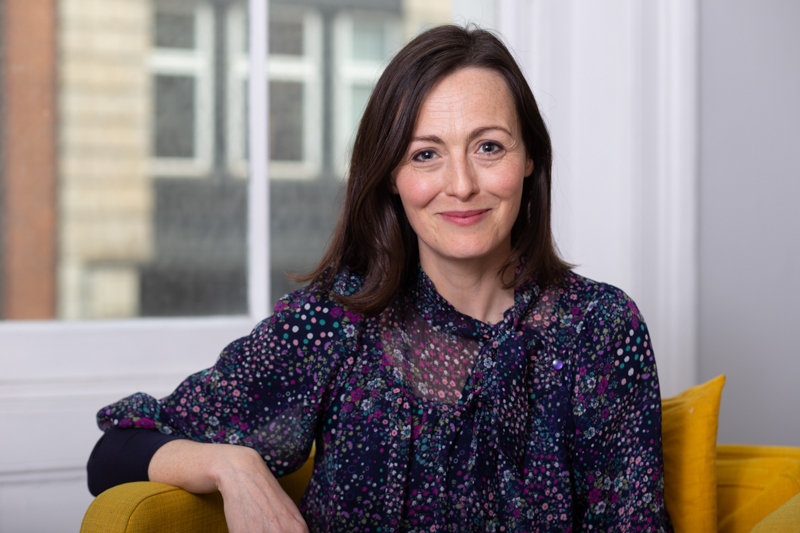
A successful headshot is less about heavy retouching or dramatic styling and more about clarity. Lighting should be flattering but honest. Expression should feel engaged rather than fixed. Composition should be clean, with attention on your face rather than distractions in the background.
The strongest business portraits usually communicate three things at once. They show professionalism, personality and ease. If one is missing, the image can feel off. Too polished and it becomes impersonal. Too casual and it may not carry enough authority. Too serious and it risks making you look guarded.
This is why the session itself matters as much as the final edit. People photograph best when they feel comfortable, guided and not overly managed. A good photographer knows how to direct posture, eyeline and expression without making the process feel awkward.
Professional business headshots women need for different roles
Not every headshot should look the same, because not every professional role asks for the same impression.
Corporate and leadership roles
If you work in finance, law, consultancy or a senior in-house role, your headshot may need a cleaner, more formal feel. That does not mean rigid. It means confident styling, tidy framing and an expression that feels calm and assured. Neutral backgrounds often work well here because they keep the emphasis on presence rather than personality alone.
Entrepreneurs and founders
For founders, coaches and consultants, a headshot often carries more of the brand. You may want warmth, modernity and a little more character. A softer background, more relaxed wardrobe choice or slightly looser framing can make sense, especially if the image will sit alongside your own website copy and social content.
Creative professionals
Designers, writers, artists and freelancers often need a portrait that feels polished but not corporate. Here, authenticity matters a great deal. If the image looks too formal, it may not feel like you. A thoughtful location, a touch more movement or more natural styling can create the right balance.
What to wear for a business headshot
Clothing is one of the biggest sources of worry, and usually the answer is simpler than expected. Choose something that feels like a refined version of what you would wear to meet an important client or attend a professional event.
Block colours tend to photograph better than busy prints. Strong jewel tones, navy, cream, charcoal and softer earthy shades can all work beautifully, depending on skin tone and brand style. Very bright neons or tiny patterns can be distracting on camera, while heavily trend-led pieces may date quickly.
Necklines and tailoring matter more than labels. A well-cut blazer, elegant knit, smart dress or simple blouse can all look excellent if they fit properly and feel comfortable. If you spend the session adjusting sleeves or tugging at a collar, it will show. Jewellery is best kept intentional and not overpowering.
Hair and make-up should still look like you. For some women, that means a polished professional finish. For others, it means very little make-up at all. The aim is not to look transformed. It is to look rested, confident and camera-ready.
The most common concern: looking awkward in photos
Almost everyone says this at the start of a session, including people who appear very self-assured in their work. Being photographed is a different experience from being good at your job. It is entirely normal to feel unsure about your smile, your angle or what to do with your shoulders.
That is why gentle direction matters. Small adjustments make a surprising difference – the turn of the body, the lift through the spine, where the chin sits, how the eyes engage with the lens. None of this should feel forced. The best results usually come from settling into the session rather than trying to perform for it.
A reassuring photographer will guide you through expressions as well. Not every professional portrait needs a broad smile, but very few benefit from looking blank. The goal is a natural expression with some life in it – approachable, capable and present.
Studio or location?
This depends on how and where the image will be used. Studio headshots offer control, consistency and a timeless finish. They are especially useful for company profiles, leadership teams and anyone wanting a clean, classic business portrait.
Location portraits can feel more personal and contemporary. They work well for entrepreneurs, creatives and professionals whose brand benefits from a sense of place. In London, this might mean a smart office setting, an architectural backdrop or a simple indoor space with lovely natural light.
Neither option is automatically better. It depends on your industry, your audience and whether the image is meant to blend with a wider team set or stand alone as part of your personal brand.
How often should you update your headshot?
As a rule, every couple of years is sensible, or sooner if your role, appearance or brand has changed noticeably. A new promotion, business launch, speaking profile or website refresh is usually a good moment to book one.
If your current image still looks like you and reflects where you are professionally, there is no need to replace it simply for the sake of it. But if you hesitate before sending it over, crop it repeatedly to make it usable, or avoid updating your online profiles because the photo feels wrong, that is often the clearest sign it is time.
What a good headshot gives you beyond the image
The practical value is obvious. You receive a polished portrait for professional use. But the less obvious benefit is confidence.
When clients have an image they are proud to use, they tend to show up more clearly in their work. They update the About page, say yes to the podcast feature, submit the conference bio and stop avoiding LinkedIn. That is not vanity. It is part of presenting your work properly.
For many women, that shift matters. A professional headshot can mark a new stage – a promotion, a return after maternity leave, the launch of a business, a move into consultancy or simply a decision to take your public profile more seriously. Henrietta Photography often sees that moment as much more than a quick admin task. It is a practical investment, but it can also feel quietly affirming.
The best portraits do not make you look like someone else. They make you recognisably you, on a very good day, with the right light and a little expert guidance. If that sounds straightforward, it is because it should be. A business headshot does not need to be complicated to be effective. It only needs to feel true, polished and ready to represent you well wherever your work is seen.
If you are considering new headshots, think less about being photogenic and more about being accurately represented. That is where the strongest images begin.