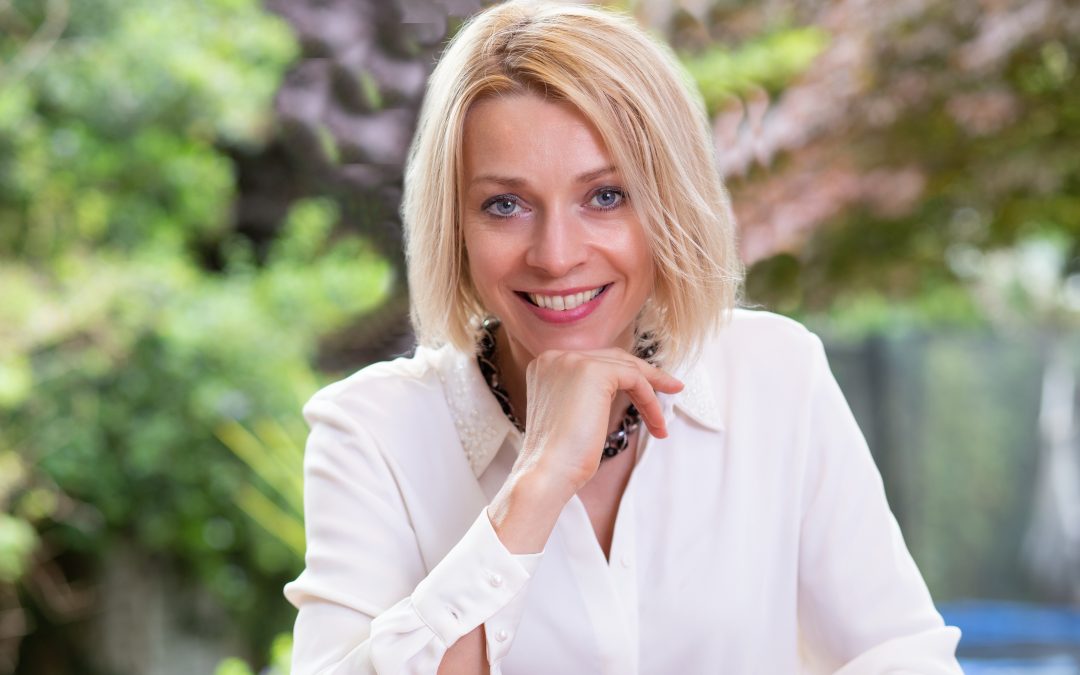
That slightly dated LinkedIn photo, the cropped wedding guest picture, the selfie taken near a window five years ago – they all say something about your business before you do. If you are wondering how to take professional business photos at home, the good news is that you do not need a studio to create something polished, credible and genuinely flattering. You do, however, need a little planning.
A strong business portrait should feel clear, current and confident. It needs to look like you on a very good day, not a heavily filtered version or a stiff, overly formal one. Whether you are updating your LinkedIn profile, refreshing your company website or preparing press imagery for your own brand, the aim is the same: to look approachable, capable and professional.
How to take professional business photos at home without looking homemade
The biggest difference between an ordinary snapshot and a business portrait is intention. Professional-looking images are shaped by light, background, clothing, camera position and expression. When even one of those is off, the image can quickly feel casual. The good news is that when those pieces are handled well, a simple home set-up can work beautifully.
Start with the room, not the camera. Choose the brightest space in your home, ideally with a large window that gives soft natural light. North-facing light is often the most forgiving in the UK because it stays fairly even, but any window can work if the light is not too harsh. Stand facing the window or at a slight angle to it. If the sun is pouring in directly, hang a sheer curtain or move a step back so the light softens across your face.
Your background matters just as much as your lighting. Plain walls are usually best, especially in off-white, soft grey or muted neutral tones. You want the attention on your face, not on the bookshelf, kettle or framed holiday snaps behind you. If you do want some environmental context, keep it subtle and tidy – perhaps a well-styled desk or a clean corner of a sitting room. For most business portraits, simpler is stronger.
Set up your shot properly
You can take very good business photos on a modern mobile phone, provided you avoid the usual traps. The lens should be at eye level, not below your chin and not held above your head. Low angles can feel awkward and unflattering, while high angles tend to look too informal for business use. Prop your phone on a tripod or a stable surface so it stays level and straight.
Step back further than you think and use the standard lens rather than an ultra-wide setting. Wide lenses can distort facial features, especially when the camera is close. If your phone offers a portrait mode, test it, but do not rely on it blindly. Some portrait settings blur hair edges or clothing in a way that looks obviously artificial. A clean, sharp image with a real background is often the better choice.
Use the timer or a remote shutter so you are not reaching awkwardly for the phone. If possible, take a short burst of images rather than one at a time. Expression changes quickly, and the best frame is often the one just after you relax.
Framing depends on where the image will be used. For LinkedIn and profile pictures, a head-and-shoulders crop usually works well. For website banners, speaker bios or press features, leave a little more room around you. It is always useful to capture both vertical and horizontal versions if you can.
Wear what you would want a client to remember
Clothing should support the impression you want to give. In business portraits, that usually means clean lines, flattering fit and colours that suit your complexion. Mid-tones and deeper shades tend to photograph well, while very bright colours can dominate the frame and pure white can sometimes reflect too much light onto the face.
Patterns are where people often come unstuck. Fine stripes, tiny checks and overly busy prints can look distracting on camera. Solid colours are usually safer. Texture can be lovely, though – a well-cut blazer, a knit with structure, a silk blouse with a soft drape. The point is to look polished, not overstyled.
Think about your industry as well. A solicitor, wellness consultant, designer and start-up founder may all want something slightly different from their portrait. Formality should match your audience. If you meet clients in trainers and a smart overshirt, a full suit may feel odd. Equally, if your role is traditional and client-facing, a more tailored look may be right.
Hair, make-up and grooming need a light touch
Professional business photos are not about transformation. They are about refinement. Hair should be tidy and intentional, with flyaways smoothed if possible. If you wear make-up, keep it natural and slightly more defined than everyday if the light is very soft. A bit of powder can help reduce shine, particularly on the forehead and nose.
For men, a quick check on stubble lines, collar shape and skin shine makes a real difference. Glasses can work perfectly well in portraits, but angle them slightly if you are catching reflections from the window. A tiny shift in head position often solves the problem.
Expression is what makes the photo feel professional
People often assume a business portrait should be serious. In reality, it should be assured. That might mean a soft smile, a calm, direct look into the camera or a more neutral expression with warmth in the eyes. The right choice depends on your role and brand, but in nearly every case, tension is the thing to avoid.
Before you start shooting, take a few minutes to settle. Roll your shoulders, breathe out properly and stand tall without going rigid. Think less about posing and more about presence. A good portrait does not look posed to within an inch of its life. It looks like a composed version of you.
Try turning your body slightly away from the camera rather than standing square on, then bring your face back towards the lens. This tends to be more flattering and gives the image shape. Lengthen through the spine, relax the jaw and keep your hands simple if they are in frame. If you are seated, sit near the edge of the chair so your posture stays lifted.
If smiling feels awkward, do not force a broad grin. A small, genuine expression is far better than something overdone. Think of speaking to a client you like rather than being photographed. It changes the energy completely.
Small technical choices that improve the result
Clean the camera lens before you begin. It sounds obvious, yet it is one of the easiest ways to improve image quality. Check the frame for clutter at the edges. Turn off overhead lights if they cast yellow tones or odd shadows, and rely mainly on window light if it is doing a good job.
Avoid heavy filters and aggressive editing. Business portraits should look polished, but still believable. A gentle adjustment to brightness, contrast and warmth may be all you need. If skin retouching is too strong, the image can lose character and trust. Professional does not mean plastic.
It is also worth taking more photos than you think you need. The first ten frames are usually warm-up. By frame twenty or thirty, most people start to relax. Review your images on a larger screen if possible before choosing your final shot. Something that looks fine on a phone may reveal awkward creases, distracting background details or slightly soft focus when viewed properly.
When home photos work well – and when they do not
Home business portraits can be an excellent option if you need a clean, current image for digital use and you are happy with a simple, natural style. They are especially useful for consultants, freelancers, small business owners and anyone needing a quick refresh without a full brand shoot.
There are limits, though. If your business relies heavily on premium visual presentation, if you need a full set of on-brand images, or if being photographed makes you deeply uncomfortable, professional support can be worth every penny. Lighting control, direction, styling guidance and expert retouching all help create that extra level of polish. For those who want beautifully crafted business portraits without the guesswork, working with a specialist photographer such as Henrietta Photography can make the whole process feel much easier.
The best home portrait is not the one with the fanciest gadget or the most dramatic edit. It is the one that feels like you, at your most credible and at ease – the version a future client would be glad to meet.