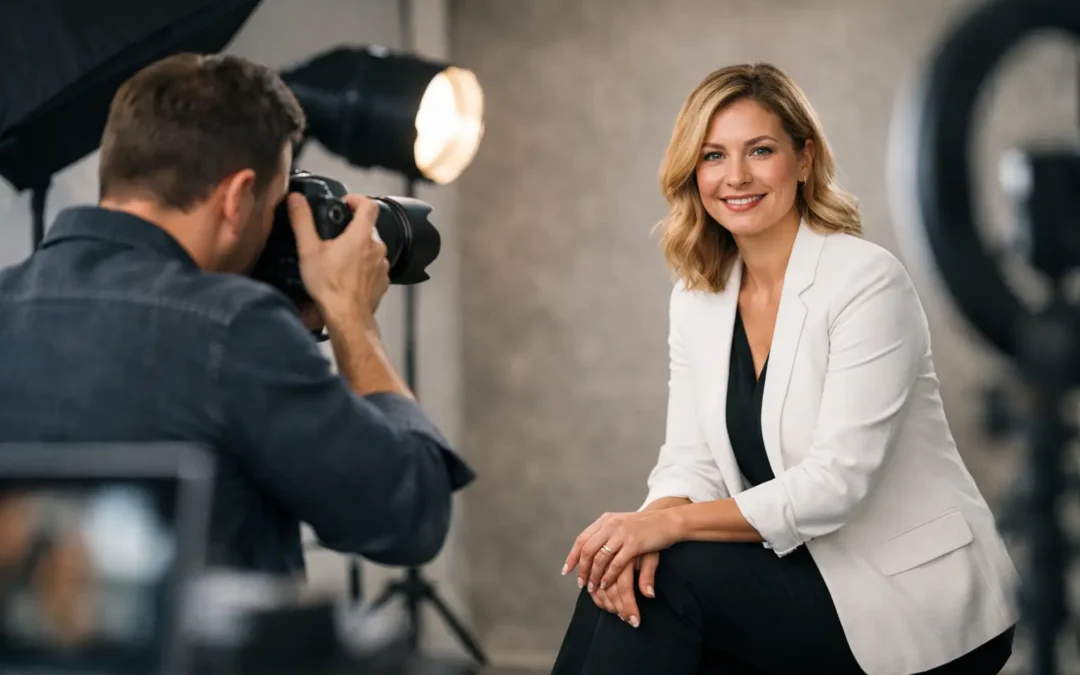
A strong portrait can change the way people see you before you have said a word. Whether it is the photograph on your LinkedIn profile, the headshot sent to a casting director, or a family picture that earns a place on the wall, a portrait photographer helps you look like yourself on a very good day – relaxed, confident and fully present.
That sounds simple, but it is not only about owning a good camera. The difference lies in knowing how to use light, direction, styling and timing to bring out character without making the image feel overly posed. The best results are polished enough to work hard for you, while still feeling natural when someone looks closely.
A portrait is not one thing
People often use the word portrait to mean a photograph of a face. In practice, the purpose of the image should shape almost every creative decision. A business portrait needs to communicate credibility and approachability. An actor’s headshot needs to be truthful, current and easy for a casting professional to read at a glance. A family portrait should preserve connection, personality and a particular chapter of life.
This is why choosing a specialist matters. The same dramatic lighting that feels striking for a personal creative project may be unhelpful for a corporate profile. Likewise, a heavily retouched image might look polished online but can work against an actor if it no longer resembles the person who arrives at an audition.
Before a session, it helps to ask one practical question: where will these photographs be seen? The answer gives the shoot a useful direction. A portrait for a company website, a Spotlight profile, a press feature or a family album can all be beautiful, but they do not need to do the same job.
What a portrait photographer brings to the session
A professional session is partly technical, but the client experience is just as important. Few people arrive feeling completely comfortable in front of a lens. Good portrait photography creates enough ease for genuine expressions to appear, rather than asking someone to perform confidence for an hour.
Direction that feels natural
Most people are not professional models, and they do not need to be. Clear, gentle direction makes a remarkable difference. A small turn of the shoulders, a change in posture or a reminder to breathe can make an image look more assured without looking staged.
The photographer should watch the details that are difficult to notice yourself: a tense hand, a raised shoulder, an awkward jacket line, or a smile that has become fixed after too many frames. The aim is not to correct your personality. It is to remove the distractions that prevent it from coming through.
Light that suits your features and purpose
Lighting is one of the main reasons professional portraits have a refined quality. It can add shape to a face, bring a pleasing brightness to the eyes and create separation between you and the background. It can also establish a mood, from open and contemporary to more classic and editorial.
There is no single flattering set-up for everyone. Softer light may feel right for a family photograph or an approachable professional brand. A more sculpted look can suit a creative portrait. For business and actor headshots, the priority is usually clarity: the viewer should connect with your expression immediately.
A considered eye for the finished image
The work does not end when the shutter is pressed. Selecting the strongest frames requires judgement, particularly when several photographs are technically good. The best image is rarely simply the one with the biggest smile. It may be the frame with calm eye contact, natural posture and the right balance between warmth and authority.
Professional editing should support that judgement rather than overwhelm it. Colour, contrast and small distractions can be refined, but skin should still have texture and character. A good portrait should look like you, not a version of you created by a filter.
Choosing the right portrait photographer for your needs
Portfolio style matters, but it should not be the only consideration. Look for work that has a consistent standard across different people, ages and settings. It is easy to make one naturally photogenic person look good; the more telling sign is whether every subject appears comfortable and well observed.
It is also worth checking that the photographer understands your particular use. If you need business headshots for a leadership team, ask whether they can create consistency while allowing individuals to look like themselves. If you are an actor, seek someone who understands the clean, current quality expected for Spotlight headshots. For family photography, look for images with warmth and real interaction rather than only formally arranged smiles.
Location is another decision that depends on the brief. A studio offers control over lighting, backgrounds and the weather, which can be especially useful for professional headshots. A home, garden or favourite London location may feel more personal for a family session. Neither option is automatically better. The right setting is the one that supports the story the photographs need to tell.
Finally, pay attention to how the photographer communicates before booking. You should be able to discuss the kind of image you need, what to wear and any concerns about being photographed. A calm, organised approach before the session usually makes for a calmer experience on the day.
Preparing for your portrait session
Preparation should make you feel more like yourself, not less. Choose clothing that fits well and feels comfortable to sit, stand and move in. Solid colours often photograph beautifully, while very fine stripes, large logos and busy patterns can pull attention away from your face. That does not mean every portrait must be neutral. A strong colour or distinctive accessory can be perfect when it genuinely reflects your style.
For business portraits, bring options if you can. A jacket, a different top or a simple change of neckline can give you useful variety without changing the overall look. Actors may need a small range of looks that suggest different casting possibilities, but each should remain honest and current. Families are best coordinated rather than matched exactly: colours that sit well together are more relaxed than identical outfits.
Try not to make dramatic changes immediately before the shoot. A new haircut, an unfamiliar spray tan or a skincare treatment can introduce surprises. Keep hair and make-up close to how you would normally present yourself at your best. If you are working with a professional make-up artist, ask for a camera-ready finish that still feels recognisably yours.
Arrive with a little time to spare, especially in London where journeys do not always run as planned. Rushing into a session can make anyone feel unsettled. A few quiet minutes to settle in, discuss the plan and get comfortable are valuable.
Different portraits, different measures of success
A successful business portrait is often one that makes a client, recruiter or colleague feel they are in capable hands. It should be current, clear and aligned with the level of professionalism your role requires. An entrepreneur may want more personality and energy; a solicitor or financial adviser may prefer a more restrained finish. Both can be effective when they are intentional.
For actors, success means a casting director can immediately see you. The image should not compete with your face through theatrical styling, outdated retouching or an overly elaborate background. It needs to invite attention rather than explain it.
With family and children’s portraits, perfection is a less useful goal. Children may not sit still, and that is often where the life of the photograph is found. A laugh, a thoughtful look or a hand held tightly can say more than everyone facing the camera at exactly the same moment. Patience and a sense of play are as valuable as technical skill.
At Henrietta Photography, the approach is built around this balance: creating beautifully finished portraits while helping each client feel at ease enough for something genuine to show. That combination matters whether the image will be viewed by thousands of people or treasured privately for years.
Make the photograph work beyond the shoot
Once you have professional portraits, use them with purpose. Keep professional profile images current across the places people are likely to find you. Select actor headshots that are truthful to your present appearance. Print family photographs rather than leaving them unseen in a folder, because their value often grows through everyday viewing.
A portrait is a small but meaningful record of how you appeared, felt and connected at a particular time. Give yourself permission to be photographed before there is a perfect reason. The most enduring images are often the ones that become more valuable as life moves on.