A prospective client often sees your team before they meet you. They may find a LinkedIn profile, an About page or a press feature first, and make a quick judgement about the people behind the business. The best corporate photography styles do more than make everyone look smart: they give that first impression the right character – credible, capable and recognisably yours.
For a law firm, that may mean calm, consistent business portraits with a refined finish. For a growing creative agency, it could be relaxed portraits alongside energetic photographs of people at work. There is no single correct look. The strongest choice comes from matching the photography to your people, your audience and the way you want clients to feel.
Choosing the best corporate photography styles
Before selecting a visual direction, consider where the photographs will live. A formal headshot that works beautifully on a company website may feel slightly stiff for a founder-led social media profile. Equally, very casual workplace imagery can undermine confidence if your clients expect discretion and precision.
Think about three things: your sector, your brand personality and the practical use of the images. Financial, legal and professional services businesses often benefit from polish and consistency. Recruitment firms, consultancies and technology companies may need a warmer balance of authority and approachability. Design studios, hospitality brands and charities can usually show more movement, colour and personality.
It also helps to be honest about your team. Not everyone enjoys being photographed, and a style that relies on big gestures or spontaneous-looking interaction can feel uncomfortable if it does not suit the group. A skilled photographer will guide rather than simply observe, helping people look natural without leaving them to work out what to do with their hands.
Polished studio headshots
Studio-style corporate headshots remain one of the most useful options for businesses of every size. A clean background, considered lighting and simple composition put the focus where it belongs: on the person. The result is tidy, flattering and easy to use across LinkedIn, company biographies, speaker profiles and press materials.
This approach is especially effective when consistency matters. If every member of a leadership team is photographed with the same lighting, background and framing, the company looks organised before a visitor has read a word. It is a small detail that creates a sense of care.
A white, grey or softly neutral background is often the most versatile choice. White feels fresh and modern, while grey can add depth and a little more warmth. Darker backgrounds can look striking and premium, but they need to suit the brand and may be less flexible when used across different layouts.
The trade-off is that studio portraits are intentionally restrained. They communicate professionalism brilliantly, but they may not say much about the atmosphere of your workplace. For many businesses, the answer is to pair them with a second style of imagery rather than asking one portrait to do every job.
Environmental business portraits
Environmental portraits place people in a real setting: an office, a meeting room, a reception area, a favourite local street or a workspace with an interesting architectural detail. They feel less formal than a plain-background headshot while still looking considered and professional.
For London businesses, location can add useful context. A light-filled office, a distinctive interior or a recognisable part of the city can make an image feel grounded in place without becoming a tourist postcard. The background should support the person, not compete with them. Cluttered desks, harsh overhead lights and busy walkways can quickly make a portrait feel accidental.
This style works particularly well for founders, directors and client-facing professionals whose personal reputation is closely tied to the business. It gives viewers a sense of how that person works and what sort of environment clients can expect. It is also a good option for people who find a studio setting slightly daunting, as having a natural setting can make a portrait feel more conversational.
Relaxed, personality-led portraits
Approachable does not mean informal in the careless sense. A relaxed corporate portrait is still carefully lit and composed, but the expression, posture and clothing have a little more ease. Think genuine smiles, softer body language and backgrounds that feel less clinical.
This is often the right direction for consultants, coaches, small business owners, recruiters and service-led teams. When people are choosing a professional they will speak to directly, they are looking for reassurance as well as expertise. A warm portrait helps bridge that gap.
The risk is going too far towards casual. Clothing should still reflect the expectations of your clients, and the overall finish must be aligned with your service level. A relaxed portrait of an architect may feature an open collar and creative office setting; a relaxed portrait of a private wealth adviser might simply mean a warmer expression and less rigid pose. The distinction is subtle, but it matters.
Corporate photography styles beyond the headshot
Headshots are essential, but they are only part of a useful corporate image library. A website filled solely with isolated portraits can feel rather static. Adding team, workplace and detail photography gives clients a fuller view of the business.
Natural team photography
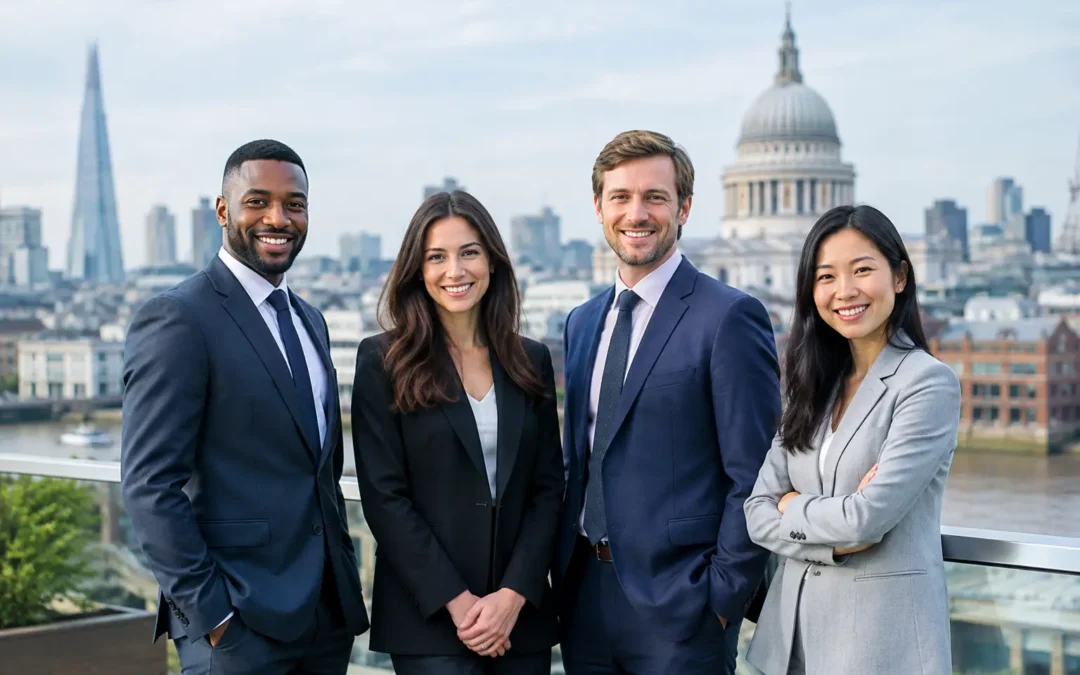
Team photographs do not have to mean a long row of people facing the camera. A well-planned group portrait can be structured, elegant and full of life. The key is to choose a setting with enough space, arrange people with care and keep the composition simple.
For smaller teams, a shared workspace or outdoor location can create a relaxed sense of connection. Larger organisations may prefer a more formal group arrangement that is easy to update and suitable for annual reports or internal communications. In both cases, co-ordinating clothing tones rather than insisting on identical outfits usually produces a more polished result.
A good group photograph should look inclusive without appearing over-staged. People do not need to be laughing at an invisible joke, nor do they need to stand to attention. Gentle direction creates a photograph that feels confident and believable.
Candid workplace imagery
Candid-style imagery shows the rhythm of a business: colleagues discussing a project, a conversation with a client, a presentation, a quiet moment of concentration or the small details that shape a working day. These photographs are invaluable for websites, recruitment campaigns, brochures and social posts.
The word “candid” can be misleading. The best images may look unposed, but they usually need thoughtful planning. A photographer may ask people to sit near a window, repeat a movement, clear unnecessary items from a table or pause a meeting at its most visually flattering moment. This is not artificial. It is simply good visual storytelling.
Authenticity is the priority. Avoid relying on generic gestures such as pointing at a blank screen or gathering around a laptop with no real purpose. Use genuine projects where possible, real team members and locations that clients would recognise. The photographs will carry much more conviction.
Editorial and brand-led imagery
Some companies need photography with a stronger visual point of view. Editorial corporate imagery may use more dramatic light, unusual angles, bold architecture or a carefully controlled colour palette. It can make a brand feel distinctive, particularly in creative, design, property or hospitality sectors.
This style is memorable, but it needs discipline. If the images are so stylised that a potential client cannot clearly see the people or understand the service, the photography has become decoration rather than communication. Use it where personality is part of the proposition, and balance it with clear, accessible portraits.
How to create a cohesive look
The most successful corporate photography is consistent without becoming repetitive. Agree the essentials before the shoot: background choices, lighting mood, cropping, wardrobe guidance and where images will be used. This is particularly valuable when new starters will need matching portraits later on.
Wardrobe deserves a little attention. Solid colours generally photograph better than fine checks, busy prints or clothing with prominent branding. Encourage colleagues to choose outfits that feel like themselves, but consider how the team will look together. A palette of complementary neutrals and muted colours is often more elegant than everyone arriving in completely unrelated styles.
Make time for the session, too. Rushing people through in a few minutes can show in their expressions. A calm, well-organised shoot gives everyone a chance to settle, and a little friendly direction can make a remarkable difference to confidence in front of the camera.
At Henrietta Photography, the focus is on helping people feel at ease while creating polished business portraits that work hard across the places your clients will see them. That combination of technical care and a relaxed experience is often what turns a photograph from merely acceptable into one people are happy to use.
The right style should feel like your business on a particularly good day: clear about what it does, proud of its people and welcoming to the clients it wants to serve. Start there, and the visual decisions become much simpler.