
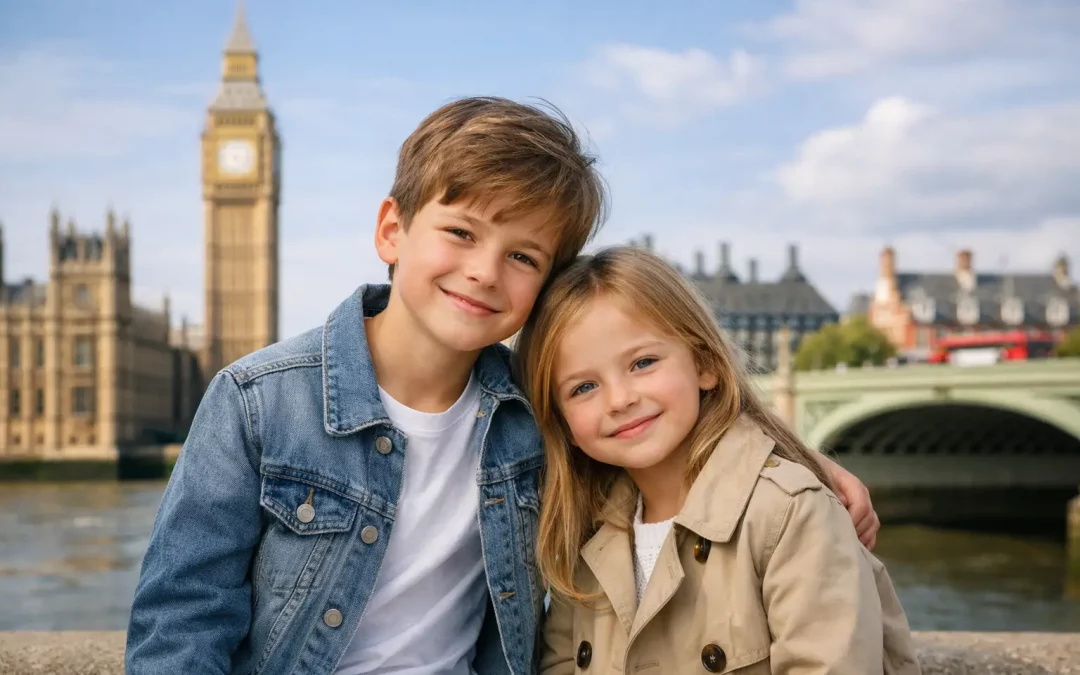
A child does not need to sit perfectly still, grin on command or arrive looking like they have stepped out of a catalogue to make a beautiful portrait. The secret to how to prepare children for portraits is far simpler: let them feel safe, comfortable and free to be themselves. When the pressure is taken away, their character has room to appear – and that is what makes family photographs worth treasuring.
For parents, a portrait session can carry a lot of expectation. You may be marking a birthday, documenting a fleeting stage or finally arranging the family photographs that have been on the list for years. A little planning helps, but over-preparation can make children feel that something daunting is about to happen. The aim is a happy, well-timed experience, not a military operation.
Choose a time that suits your child
The best time for a children’s portrait session depends on your child, rather than a universal rule. For babies and younger children, this often means booking around naps and meals. A well-rested child who has eaten recently is far more likely to be curious, playful and relaxed.
Older children may cope well with a session after school, especially if they have a chance to have a snack and change first. Others are at their brightest in the morning. Think about when your child is usually most sociable, not merely when the family diary has a free gap.
Try not to schedule too much on the same day. A nursery party, swimming lesson or a long journey across London before a portrait session can leave even the most cheerful child running out of patience. Allow enough time to arrive without rushing. Children notice when adults are stressed, and they tend to mirror it.
Tell them what will happen, simply
Children generally respond well when they know what to expect, but there is no need to make the session sound formal. A few days beforehand, explain that you are going to meet a friendly photographer who will take some pictures of the family. You might say there will be chatting, playing and a few moments of standing or sitting together.
Avoid telling them that they must smile, behave perfectly or make Mummy and Daddy proud. Those phrases can turn an enjoyable occasion into a test. Instead, keep the message light: they only need to come along and be themselves.
It can also help to mention that they do not have to look at the camera all the time. A thoughtful side glance, a laugh with a sibling or a moment tucked into a parent’s shoulder can be every bit as lovely as a direct smile. Children are not miniature adults, and the strongest portraits allow space for their natural expressions.
Set expectations for siblings
If you are bringing more than one child, speak to each of them individually. The eldest may feel responsible for keeping younger siblings in line, while a younger child may worry about being compared. Let them know there will be photographs together and separately, and that everyone will get their own moment.
Sibling photographs are often full of real energy. A little gentle silliness can create the warmth parents love, whereas repeated instructions to cuddle, smile and stay still can quickly become tiresome. Trust the photographer to guide the interaction and be ready to step back when needed.
What should children wear for portraits?
Clothes should look considered but still feel like your child. If they cannot move, sit on the floor or be cuddled comfortably in an outfit, it is unlikely to help the photographs. Save stiff collars, scratchy fabrics and brand-new shoes that pinch for another occasion.
Choose colours that work nicely together rather than dressing everyone in identical outfits. Soft neutrals, gentle blues, greens, warm earthy tones and muted pinks often photograph beautifully. A few complementary colours bring a family group together without making it look overly coordinated. Very large logos, fluorescent shades and busy character prints can draw attention away from faces, so they are usually best avoided.
Patterns are absolutely possible, but balance is useful. If one child wears a patterned dress or shirt, keep the rest of the family’s clothing simpler. Layers can be particularly helpful for London sessions, where the weather may be cool even on a bright day. They also give you an easy way to vary a look without a full outfit change.
Most importantly, ask older children for an opinion. They do not need to choose every detail, but allowing them to select between two parent-approved options can prevent a last-minute refusal. Feeling comfortable in their clothes makes a visible difference to posture and confidence.
Keep hair, faces and details natural
A clean face, brushed hair and comfortable clothes are enough. There is no need for an elaborate makeover, especially for younger children. Portraits should still look like your child when you look back at them in five or ten years’ time.
Bring a brush, spare hair ties and a small pack of wipes for practical touch-ups. If your child has a favourite hairstyle, stick with it. Trying a new look immediately before the session can lead to a battle that no photograph is worth.
For babies and toddlers, a spare outfit is sensible. Dribbles, muddy knees and snack-related mishaps are part of family life. Having a backup means you can deal with the moment calmly rather than feeling that the session has been derailed.
Feed them, but do not overdo the treats
A familiar snack and a drink before the session can be a quiet lifesaver. Avoid arriving hungry, particularly if travel is involved. It is also wise to keep very sugary treats for later, as a sudden energy burst can make it harder for some children to settle.
Bring a small, non-messy snack just in case. Plain crackers, raisins or a few bites of something they already enjoy are usually better than chocolate, brightly coloured sweets or anything likely to leave crumbs on clothes. A favourite water bottle can also offer reassurance to a child who is feeling shy.
Treats can sometimes be useful as a gentle incentive, but avoid making them the focus. Promising a huge reward if they smile can make the camera feel like a chore. A simple plan for afterwards – perhaps a trip to the park, a hot chocolate or time at home with a favourite film – gives the day a positive shape without raising the stakes.
Bring comfort, not distractions
A beloved soft toy, small blanket or familiar book can help a young child settle. These items can also become part of the story in the photographs. What may seem like an ordinary bunny or worn muslin today may be wonderfully meaningful in years to come.
The trade-off is that too many toys, gadgets and noisy distractions can pull attention away from the moment. Bring one or two comforting items, then let the photographer build a connection with your child. Often, a little conversation, a game or a chance to explore the studio is more effective than trying to hold their attention with a screen.
If your child is shy, do not apologise for it. Some children need time to watch and warm up, and that is completely normal. A calm beginning beside a parent can lead naturally to more independent portraits later in the session. The same applies to energetic children: movement is not a problem to fix. It can be part of what makes their photographs feel alive.
Let the photographer lead, and stay relaxed yourself
Parents are often tempted to stand behind the camera calling out instructions, reminders and requests for a smile. It comes from love, of course, but several voices at once can be confusing for a child. Once the session begins, let the photographer take the lead and focus your energy on being present.
Your job is not to manage every expression. Offer reassurance, share a joke and join in when invited. If a child needs a cuddle, a short break or a moment to reset, that is not wasted time. A patient pace usually creates better portraits than pushing through a wobble.
There may be a moment when your child looks solemn, distracted or determined not to cooperate. Resist the urge to assume the photographs will fail. Professional children’s portraiture is about reading those moments and working with them. Sometimes the quiet, serious frame becomes the image a parent loves most.
A portrait session with Henrietta Photography is designed to feel personal and unhurried, with room for children to settle into the experience in their own way. You do not need a perfectly behaved child to create photographs with real polish and feeling.
The most helpful thing you can bring is permission for the day to be imperfect. Buttoned-up outfits may become slightly rumpled, someone may need a snack break, and a spontaneous giggle may replace the smile you imagined. Those are not interruptions to the portrait. They are often where your family’s real warmth begins to show.