Most people step in front of a camera and immediately wonder what to do with their hands. That small panic is exactly why learning how to pose for portraits matters. The best portraits rarely come from stiff, over-rehearsed poses – they come from subtle adjustments that help you look relaxed, confident and recognisably yourself.
Whether you need a polished business headshot, a Spotlight-ready actor portrait or a family photograph you will genuinely want to keep, posing is less about performing and more about understanding a few simple principles. Good direction can transform the way you stand, where you place your chin and how your expression reads on camera.
How to pose for portraits without looking stiff
The first thing to know is that very few flattering portraits involve standing square to the camera like a passport photo. Facing straight on tends to flatten the body and can make even confident people look tense. A slight turn through the shoulders and torso usually creates a more natural line and gives the portrait shape.
Posture does a great deal of the work. Stand tall, but not rigidly. Think of lengthening through the spine and relaxing the shoulders down rather than pulling them back aggressively. When people try too hard to “stand up straight”, they often create tension in the neck and jaw, which shows immediately in a portrait.
Your weight should usually rest more on one leg than both. That tiny shift helps the body settle into a more comfortable stance and avoids the flat, symmetrical look that often feels formal in the wrong way. It is a small change, but it makes portraits feel more human.
Movement helps too. Some of the most natural-looking portraits happen in the moments between poses, when you have just adjusted your jacket, turned slightly or taken a breath. A good photographer will often guide you into position rather than asking you to freeze in one perfect shape.
Start with posture, angles and distance
If you are unsure where to begin, start with three basics: your posture, your angle to camera and the distance between your limbs and your body. These are the foundations of how to pose for portraits well.
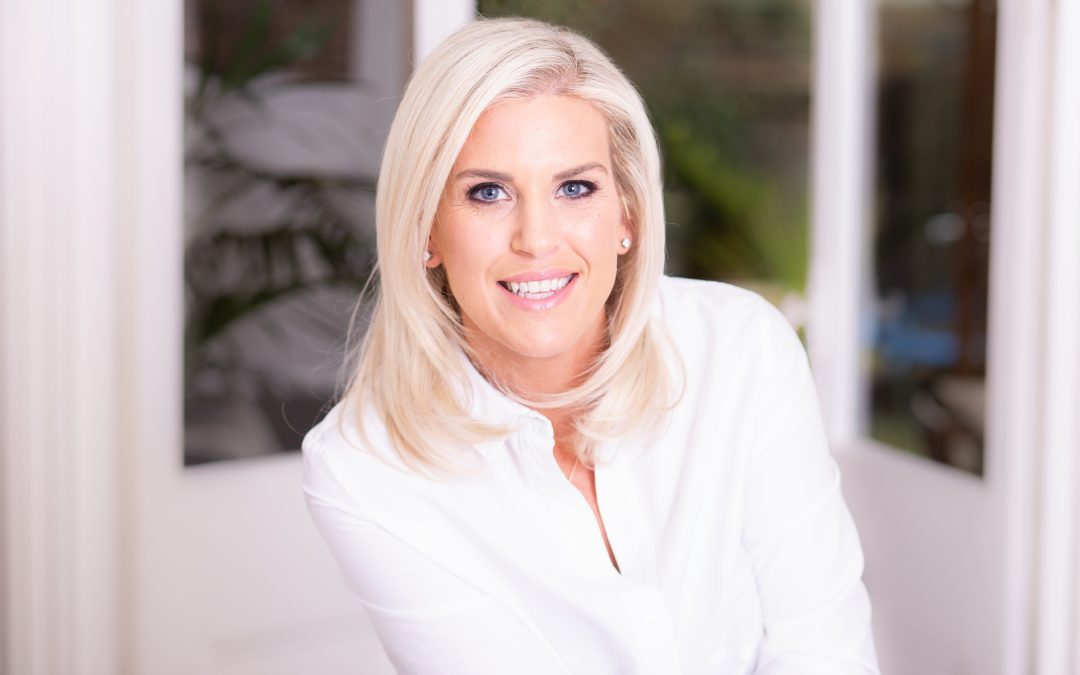
A slight angle is usually more flattering than standing fully front-on. Turning your body a little away from the lens, then bringing your face back towards camera, creates definition in the jawline and a more elegant shape through the shoulders. This works particularly well for business portraits and headshots, where you want to look open and approachable but still polished.
Space is equally important. Arms pressed tightly against the body can look tense and widen the frame. A little air between your arm and waist helps create cleaner lines. The same goes for the neck – if your chin drops back, it can shorten the neck and soften the jawline more than you might want. Extending slightly through the forehead, very gently, tends to sharpen the face beautifully without looking forced.
There is always some balance involved. A stronger angle can feel dynamic and flattering, but too much can look theatrical in a corporate headshot. A softer, more front-facing pose may be perfect for a family portrait, where connection matters more than structure. The right choice depends on the purpose of the image.
What to do with your hands
Hands are where nerves usually show first. The answer is not to hide them at all costs, but to give them a simple job. Rest one hand lightly in a pocket, hold a lapel, touch an arm softly, or let the hands fall naturally with a slight bend in the fingers. What you want to avoid is a clenched fist or hands flattened awkwardly against the body.
For seated portraits, hands can rest loosely in the lap or on the knee. For standing portraits, asymmetry tends to work well – one hand active, one relaxed. If both hands are doing exactly the same thing, the pose can start to feel staged.
In family photography, hands can create connection. A parent holding a child’s hand, an arm around a shoulder or fingers tucked gently into a little one’s cardigan all add warmth without needing a big gesture.
What to do with your face
Most people think they need to smile constantly in portraits. In reality, expression should match the purpose of the image. A business headshot may suit a calm, confident look with just a hint of warmth. An actor headshot often benefits from a more nuanced expression that feels open and believable rather than generically cheerful. Family portraits usually need more visible connection and softness.
The key is to avoid overworking your face. If you force a grin, the eyes often tell a different story. Instead, breathe, relax your mouth and think about something that genuinely lifts your expression. A real smile often starts in the eyes and arrives in the mouth a fraction later.
Your chin matters more than most people realise. Tilting it too high can read as aloof, while dropping it too low can create heaviness. Small refinements are usually enough. This is why careful direction during a session makes such a difference – the best changes are often almost invisible from your point of view.
Posing for different types of portrait
Portrait posing is never one-size-fits-all. The right approach depends on what the photograph needs to communicate.
Business headshots
For professional portraits, the aim is usually confidence, credibility and approachability. Clean posture, a slight turn of the body and a relaxed expression work well. You want to look composed, not severe. If you wear a jacket, a simple adjustment of the lapels or cuffs can help the pose feel more natural and less static.
For LinkedIn profiles, company websites and personal branding, less is often more. Strong posing should support your presence, not distract from it.
Actor headshots
Actors need something slightly different. The portrait must still be flattering, but casting professionals also need to see you clearly. That means less stylised posing and more honesty in expression. Good actor headshots tend to feel direct, alive and believable.
Too much posing can get in the way here. Small shifts in eye line, head angle and energy are often far more effective than dramatic body positions. The goal is to look like yourself on your best day, not like a different character altogether.
Family portraits
With families, connection is everything. Perfect posture matters less than warmth and interaction. Sitting close together, turning towards each other and allowing natural touch often creates stronger images than trying to line everyone up neatly.
Children rarely benefit from being told to hold still for too long. Gentle movement, conversation and a bit of play often produce better expressions. A well-posed family portrait still has structure, but it should not feel over-controlled.
Clothes, confidence and camera awareness
What you wear changes how a pose reads. Structured clothing like blazers, coats and collared shirts often benefits from clean posture and deliberate angles. Softer fabrics and more casual outfits can suit gentler posing and looser movement.
Confidence also shifts everything. People often assume confident subjects are naturally photogenic, but more often they have simply been guided well and allowed to relax into the session. Feeling comfortable with the photographer has a direct effect on your body language, which is one reason an experienced portrait specialist is so valuable.
It is also worth remembering that the camera sees differently from the mirror. A pose that feels exaggerated in person can look beautifully subtle in the final image. That is why trusting direction matters. If your photographer asks you to move your chin a fraction or turn your shoulder by an inch, it is because tiny adjustments can have a surprisingly big visual effect.
A simple way to prepare before your session
If you have a portrait session coming up, do not try to memorise dozens of poses. Instead, think about how you want to come across. Professional and warm? Creative and direct? Relaxed and connected? That intention will help shape your expression and body language far better than copying poses from the internet.
Before the session, practise standing with your weight on one leg, shoulders relaxed, and face turned slightly back towards an imaginary camera. Try a soft smile, then a neutral expression. Notice where you tend to hold tension – often in the hands, jaw or shoulders. Once you know that, it becomes easier to release it.
If you are working with a photographer such as Henrietta Photography, you should not be expected to figure it all out alone. Good portrait photography is collaborative. The best results come when you are guided with clarity, put at ease and given room to look natural rather than overly posed.
The most flattering portrait is not the one where every limb is placed perfectly. It is the one where you look comfortable in your own skin, with just enough shaping to let the camera see you at your best.