A beautifully designed room can lose its impact in a quick phone photograph. The proportions feel wrong, daylight turns grey, carefully chosen textures disappear, and a space that feels calm and generous in person suddenly looks flat. That is why hiring an interior photographer is a worthwhile consideration for anyone whose work, property or business depends on how a space is perceived.
For interior designers, architects, property professionals, hospitality teams and independent makers, photography is not simply a record of a finished project. It is often the first experience a potential client has of your work. Well-considered images give people confidence in your eye, your standards and the quality of the experience you create.
Why hire an interior photographer rather than take it yourself?
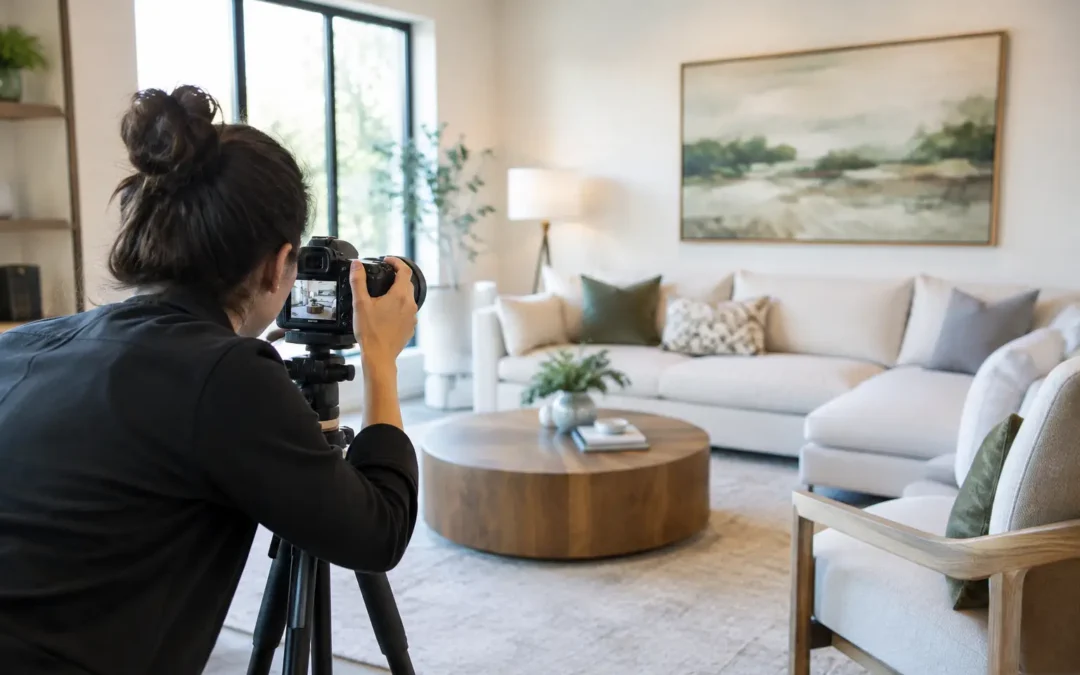
A professional interior photographer knows that a room is rarely photographed well from the place you naturally stand. They look for the angle that shows the flow between spaces, the viewpoint that makes a compact kitchen feel purposeful rather than cramped, and the detail that explains why a scheme works.
This is not about making a room look unlike itself. The best interior photography is honest, but highly considered. It brings out the balance already present in the design: the warmth of timber, the depth of a painted wall, the fall of light across a table and the relationship between furniture, artwork and architecture.
Phone cameras have improved enormously, and they can be useful for progress shots or informal social posts. But they are limited when a scene contains bright windows, dark corners, reflective surfaces and mixed light sources. A professional has the equipment, technical control and judgement to manage those challenges without making the result feel artificial.
They also bring fresh eyes. After weeks or months spent planning a project, it is easy to become accustomed to the choices that make it special. A photographer can identify the compositions, vignettes and finishing details that deserve to be seen.
Your images shape the value people attach to your work
People make quick visual judgements, particularly when comparing designers, venues or properties online. A carefully photographed portfolio signals care before anyone has read a word of your proposal or visited your showroom. It suggests that the same attention will carry through to the service you offer.
For an interior designer, that can mean stronger case studies, more persuasive pitches and images suitable for press submissions. For a restaurant, hotel or wellbeing space, it can help guests imagine the atmosphere before they book. For a developer or property professional, it can make a listing feel more inviting while still representing the home accurately.
There is a commercial benefit, but it is not only commercial. Good images preserve work that may change, be sold or be dismantled. A styled installation, a carefully renovated period room or a family home prepared for sale can be remembered at its best long after the moment has passed.
Professional photography makes space feel believable
Wide-angle images have their place, particularly when showing a full room or explaining a layout. Used carelessly, however, they can stretch walls, distort furniture and make a space feel unfamiliar. Interior photography requires restraint as much as technical skill.
A professional chooses lenses and camera positions that retain natural proportions. They will often work slowly, checking vertical lines, refining the frame and allowing each room to breathe. The result should feel like a person could step straight into it.
Light is equally important. London homes and commercial spaces often have changeable daylight, shaded gardens, strong window light and practical lamps with warmer tones. Rather than relying on one quick exposure, an experienced photographer can balance the scene so it feels bright, dimensional and true to the mood of the room.
Post-production matters too, though it should be discreet. Small distractions can be removed, exposure can be refined and colours can be kept consistent across a set of images. Heavy editing, on the other hand, can undermine trust. If a property appears much larger or lighter online than it does in person, viewers notice.
A polished shoot starts before the camera comes out
The strongest interior photographs are usually the result of good preparation, not last-minute luck. Before a shoot, it helps to decide what the images need to achieve. Are you documenting a completed design project for your portfolio? Creating fresh images for a boutique hotel? Marketing a home for sale? The answer affects the balance between broad room views, detail shots and lifestyle-led images.
Styling need not be elaborate, but it should be intentional. Cables, packaging, overly personal items and visual clutter can pull attention away from the room. At the same time, removing every sign of life can make an interior feel cold. A considered book, a vase of foliage, folded linen or a place laid at a table can add warmth without becoming a distraction.
Timing makes a genuine difference. A north-facing room may suit a different time of day from a west-facing living area, while a hospitality space may need to be photographed before opening or between services. If a room depends on daylight, build in enough time to work with changing conditions rather than rushing through every space.
It is also worth agreeing a shot list, especially for a larger project. This does not need to be restrictive. It simply ensures essential rooms, design features and hero images are covered, leaving room for the photographer to respond to what catches their eye on the day.
Interior photography is an investment, not an afterthought
Commissioning professional photography has a cost, so it is sensible to consider where it will have the greatest effect. If you have just completed a flagship project, opened a venue, refreshed your website or are entering a more competitive market, strong imagery can work hard across your marketing for months or even years.
A single thoughtfully planned shoot can provide images for your website, project presentations, printed materials, social channels, editorial opportunities and client proposals. Consistency is especially valuable when you are building a recognisable visual identity. Rather than relying on a mixture of phone images, supplier photographs and old content, you have a library that reflects your current standard.
That said, not every space needs a large, highly styled production. A small flat being let quickly may need a more straightforward approach than a designer’s portfolio project. The right level of photography depends on the audience, the intended use and the value of the opportunity. A good photographer will help you focus the brief rather than encourage images you do not need.
The right photographer understands both people and rooms
Interiors are personal. Whether the space belongs to a homeowner, a designer or a business, there is often pride and a great deal of work behind every decision. The photography experience should feel calm, collaborative and respectful of that.
Look for someone whose portfolio shows an eye for composition, light and detail, but also consider how they work. Clear communication before the shoot, a sensible plan for the day and an understanding of what your images need to do are as valuable as technical ability. If people will appear in the photographs, portrait experience can be a particular advantage: they should look natural in the space, not posed as an afterthought.
At Henrietta Photography, the approach is personal and polished, with the aim of creating refined imagery that lets each space speak clearly. For designers and property-focused creatives, that means photographs with enough precision for professional use and enough warmth to make a viewer pause.
Give your finished space the attention it deserves
You have chosen materials, adjusted layouts, weighed colours and considered how people will move through the room. Photographing that work well is part of finishing the project, not an optional extra saved for later.
Before the furniture is moved, the property is sold or the season changes the light, set aside the time to capture what makes the space yours. A strong set of photographs will not replace good design, but it will make sure good design is seen.