
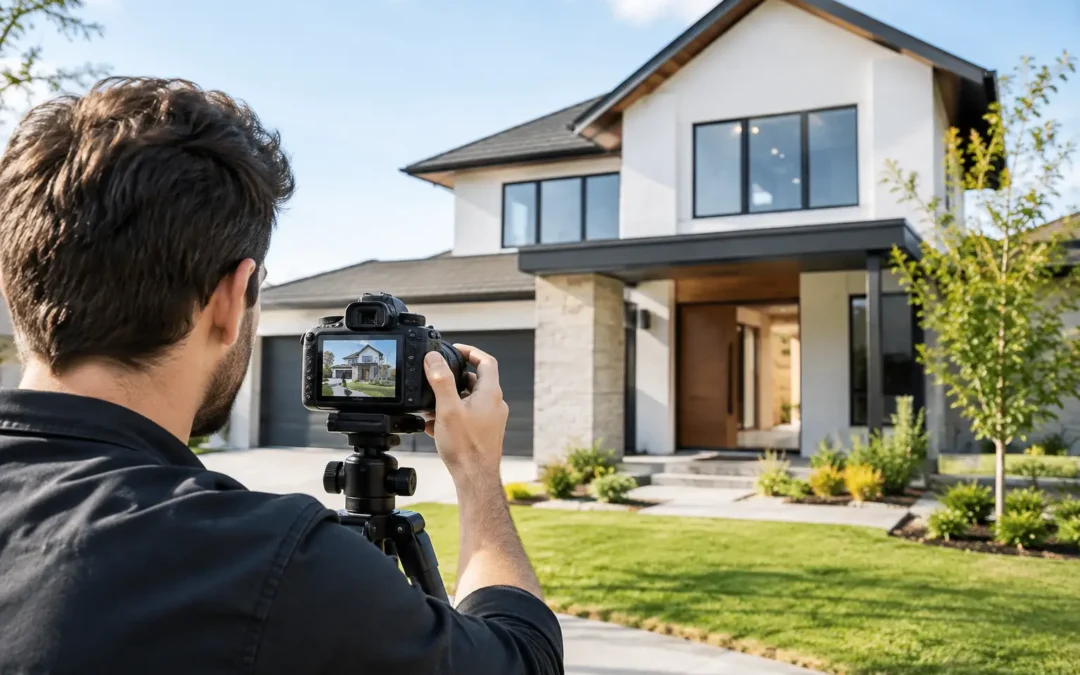
A buyer may scroll past a listing in seconds, but strong property listing photography can make them pause long enough to imagine a life there. The difference is rarely a bigger lens or a dramatic filter. It is the careful work of showing how a room feels: the light across a kitchen worktop, the calm of a well-proportioned bedroom, or the practical flow from reception room to garden.
For estate agents, interior designers, landlords and homeowners preparing to sell, photographs are often the first viewing. They need to be inviting, accurate and polished, without promising something the property cannot deliver in person.
What property listing photography needs to achieve
Good photographs do more than record a room. They establish trust, communicate scale and draw attention to the details that make a home distinctive. In London especially, where buyers may be comparing dozens of flats and houses across a wide area, clarity matters. A dark, cramped-looking image can lose interest before the location, layout or finish has had a chance to speak for itself.
The strongest set of images tells a quiet visual story. It gives a sense of arrival from the exterior, introduces the key living spaces, shows the relationship between rooms and finishes with a view of the features that justify a closer look. That might be original cornicing in a period conversion, excellent joinery in a compact flat, or an unusually generous garden in North London.
Accuracy is part of that story. A photographer should make spaces look their best, but a room should still feel recognisable when a prospective buyer walks through the door. Excessively wide angles, heavy editing and artificial skies may create a short-lived click, yet they can undermine confidence at the viewing stage.
Prepare the space before the camera arrives
Photography begins before the first frame is taken. A well-prepared property photographs more easily and usually needs less rearranging on the day. This is not about making a lived-in home look sterile. It is about removing the visual distractions that stop a viewer seeing the room itself.
Clear kitchen surfaces of packaging, washing-up liquid and everyday appliances where possible. In bathrooms, fresh towels, a clean mirror and a simple, uncluttered finish go a long way. Cables, bins, pet beds and drying laundry are easy to overlook when you live with them, but they are quick to notice in photographs.
Personal items need a little judgement. A carefully chosen book, a vase of flowers or a throw can make an image feel warm. Large family photo displays, bold magnets on the fridge and piles of paperwork tend to pull attention away from the property. The aim is not to erase personality completely; it is to give buyers enough visual space to picture their own lives there.
Light is equally useful preparation. Open curtains and blinds, clean the windows and switch on lamps in darker corners before the session begins. If a room receives beautiful morning or afternoon sun, mention this when arranging the shoot. Timing can make a meaningful difference, particularly for gardens, roof terraces and south-facing reception rooms.
The details that make rooms look their best
Professional property listing photography relies on thoughtful composition rather than visual tricks. The photographer considers where to stand, what to include and how one room leads into another. Straight vertical lines are a small but important detail: leaning walls and doorframes can make an otherwise well-finished home feel amateurishly presented.
Light should feel natural
Natural window light is often the starting point, but it must be balanced carefully. A bright window can leave the rest of a room in shadow, while mixed lighting from daylight and warm bulbs can create odd colour casts. A considered approach keeps the room bright and welcoming while retaining detail outside the window where it genuinely adds value.
Not every room needs to look flooded with sunshine. A snug, a dressing room or a lower-ground-floor space may have a more intimate character. The right photograph acknowledges this while making the space feel cared for and useful, rather than gloomy.
Styling should support the architecture
The styling choices that work in an editorial interior shoot are not always right for a sales listing. A highly styled image can be beautiful, but buyers still need to understand the room. Furniture should show scale and function. If a large dining table is a key feature, include it. If it blocks a route through a small kitchen, a different angle may be more honest and more effective.
For empty properties, modest styling can help a room feel less abstract. It depends on the setting and budget. A vacant new-build flat may benefit from carefully chosen furniture, while a characterful Victorian home may already have plenty to say through its proportions and original features.
Exterior images set the tone
The front of a property, the communal entrance or the approach from the street often forms the opening image. It deserves the same care as the interior. Wheelie bins, parked vehicles, untidy planting and harsh midday light can all distract from an otherwise appealing façade.
Where outdoor space is a selling point, photograph it as a usable extension of the home. Show the seating area, planted borders, balcony view or garden connection from indoors. In a London property, even a small terrace can carry real weight when it is presented with care.
Choosing the right shot list
A useful property listing does not need photographs of every corner. It needs enough images to answer the questions a serious viewer will have. Start with the principal rooms, then add images that reveal the features and layout that distinguish the property.
For a typical home, that normally means the exterior, main reception room, kitchen, principal bedroom, bathrooms, garden or balcony, and any particularly appealing architectural or design details. If there is a home office, utility room, impressive storage or a separate studio, include it when it adds genuine value.
Avoid filling the gallery with near-identical views. A buyer benefits more from one excellent image that shows a room clearly than three images from slightly different corners. Conversely, do not leave a potential concern unexplained. If a kitchen is compact but beautifully planned, a clear photograph can show its functionality better than a vague, tightly cropped image.
For interior designers and developers, the brief may be different. The focus may be on material choices, bespoke cabinetry, lighting design and the relationship between the finished spaces. In that case, a mix of wider room views and carefully observed detail shots gives the project both context and personality.
Why professional property listing photography pays off
Phone cameras are remarkably capable, but capability is not the same as consistency. Interior photography asks for control of perspective, exposure, composition and colour in conditions that are often difficult. A photographer also brings an outside eye, spotting what needs moving, where the best angle sits and which details are worth highlighting.
Professional imagery can make a listing feel more credible from the first glance. For estate agents, it supports a presentation that reflects the standard of service offered to vendors. For homeowners, it gives a property its best chance of attracting the right viewings. For designers, it creates a lasting record of work that may later appear in portfolios, press features and social content.
The level of photography should match the purpose. A rental listing for a simple studio may need a concise, efficient shoot. A high-value family home, architect-designed extension or carefully finished interior deserves more time and a more considered visual approach. Neither is automatically better; the right choice depends on the property, audience and how the images will be used.
A calm, well-planned shoot makes the difference
The best shoots feel organised rather than hurried. Before the appointment, agree which spaces matter most, whether there are any access restrictions and how the images will be used. On the day, allow enough time to tidy final details, adjust furniture where needed and wait for the best available light.
Henrietta Photography approaches interiors with the same attentive eye used for portraits: finding the most flattering angle, putting the subject at ease and creating refined images that still feel natural. For a home or design project, that means photographs with warmth, proportion and a clear sense of place.
A property does not need to be enormous or newly renovated to photograph beautifully. It needs thoughtful preparation, honest presentation and images that let its best qualities come through. When the photographs make someone feel they should see the space for themselves, they have done their job.