
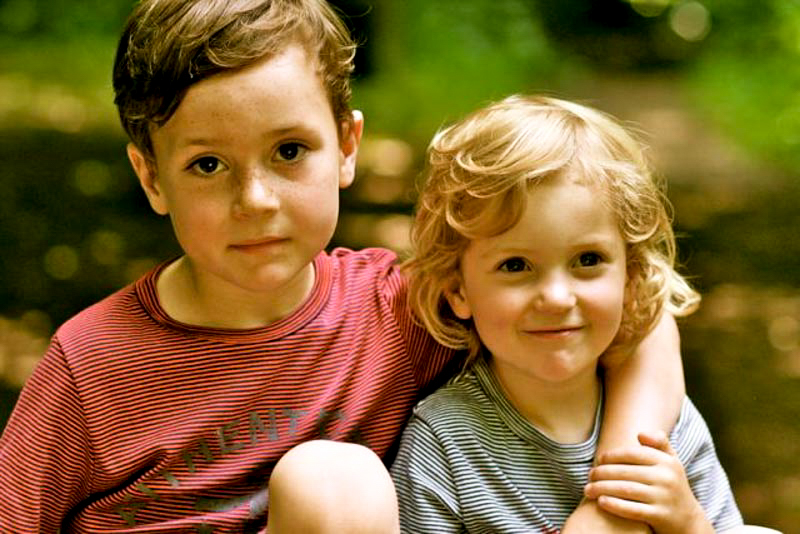
A brilliant family photograph rarely begins when everyone is looking at the camera. It begins earlier, with a little thought about what will help your children feel safe, comfortable and free to be themselves. This family portrait planning guide is designed to take the pressure out of arranging a session, so you can enjoy the experience as much as the finished photographs.
The goal is not a room full of perfectly still people in matching outfits. It is a collection of polished, natural portraits that show the warmth, humour and connection that make your family yours. A little preparation helps, but the most memorable images often happen in the moments between the poses.
Start with the feeling you want to remember
Before choosing clothes or checking diaries, think about the photographs you hope to have on your wall in five or ten years. Perhaps you want a classic portrait of everyone together, a record of a new baby, or images that capture your children at the wonderfully energetic age they are right now.
This decision shapes the session. A more formal family portrait may suit a calm studio setting, carefully chosen clothing and a little more structure. An outdoor session can feel looser and gives younger children room to move, though it brings the usual London variables of weather, crowds and seasonal light. Neither approach is automatically better. The right choice is the one that feels most like your family.
It also helps to consider who the photographs are for. If you are marking grandparents’ anniversary, you may want generous group combinations and a clear record of every generation. If the portraits are mainly for your own home, you may prefer close, affectionate images with less emphasis on everyone facing forward.
Choose a time that works for your children
The best time for a portrait session is not necessarily the most convenient slot in a grown-up diary. It is the time when your children are usually rested, fed and in reasonably good spirits. For many young families, that means avoiding the hour before lunch or the stretch just before bedtime.
Babies and toddlers often do well after a nap and a snack. School-age children may be happiest at weekends, when there is no rush from school or clubs. Teenagers can be less enthusiastic about photographs, so giving them advance notice and a sensible role in the plan can make a real difference. They do not need a lengthy briefing, but they will appreciate knowing where they are going, how long it is likely to take and that they will not be expected to perform.
Build in more time than you think you need before leaving home. Last-minute clothing changes, missing shoes and a toddler suddenly refusing the buggy are all very normal. Arriving flustered is not a disaster, but a calmer start gives everyone a better chance of settling in quickly.
Food, naps and small comforts
Bring water and a small, non-messy snack if it is appropriate for the age of your children. Avoid anything brightly coloured, sticky or likely to end up on a favourite top. A familiar toy or comforter can also be useful, especially for very young children. It may not appear in every final image, but it can offer reassurance at exactly the right moment.
There is no need to promise rewards throughout the session. Children can sense when a photograph has become a test. A relaxed tone, a few breaks and permission to move around usually work far better.
Plan outfits around colour, comfort and movement
Co-ordinating is more flattering than matching. Rather than putting everyone in identical white shirts and jeans, choose a small palette of colours that sit well together. Soft neutrals, gentle blues, earthy greens, warm pinks and muted textures often photograph beautifully. The exact colours depend on the location, the season and what already feels natural in your wardrobe.
Aim for clothes that allow everyone to sit, cuddle, walk and pick up a child without constant adjusting. An outfit that looks beautiful but feels scratchy or restrictive can quickly become the main event for a small person. If a child has a much-loved jumper or dress that makes them feel confident, it is usually worth considering, even if it does not match a parent’s original vision perfectly.
Large logos, slogans and very bold graphics can pull attention away from faces. Equally, avoid dressing every person in the same colour from head to toe, which can make a group appear flat. A mix of complementary tones, simple patterns and different textures gives the portraits depth without looking over-styled.
For an outdoor session, think practically about shoes and layers. London grass can be damp, pavements can be muddy after rain, and children will always find an interesting puddle. A coat can be useful between photographs, even if it is not part of the planned look.
Decide on a setting with real life in mind
A studio offers control. The light is consistent, the background is simple, and there is no need to worry about a sudden shower or a busy park behind you. It can be an excellent choice for timeless portraits, newborn sessions and families who would rather keep the focus entirely on faces and connection.
An outdoor location gives photographs a sense of place and space. A local park, a leafy North London street or a garden can work especially well for families with energetic children. Movement is welcome outdoors: walking together, leaning in for a cuddle, racing ahead and coming back again can all become part of the story.
Home sessions have their own appeal when a family wants a more intimate record of this chapter. They are particularly lovely with a new baby or in a home that holds special meaning. The trade-off is that rooms need good natural light and enough uncluttered space to photograph comfortably. You do not need a show-home, but it is worth clearing the areas likely to appear in the pictures.
Talk through the details before the day
A good photographer will guide the session, but it is helpful to share anything that may affect the experience. Mention if a child is shy at first, if someone has additional needs, if a grandparent needs a chair nearby, or if siblings have a habit of becoming competitive when attention is involved. These are not awkward details. They help create a session that feels considered rather than rushed.
Let the photographer know which groupings matter most, too. A portrait of the children together, one of each parent with the children, and a full family image may all be priorities. If extended family are attending, planning the key combinations in advance prevents the end of the session becoming a game of trying to remember who has not yet been photographed.
At Henrietta Photography, the approach is always to combine thoughtful direction with enough ease for genuine moments to appear. You do not need to know how to pose. Small adjustments to where you stand, where you look and how you hold a child can make a portrait feel beautifully composed without making it feel stiff.
Let go of the idea of perfect behaviour
Parents often arrive apologising because a child is lively, quiet, grumpy or determined to do their own thing. Please do not worry. Children are not expected to behave like miniature adults, and photographs do not depend on them smiling on command.
Some children need time to observe before joining in. Others will be ready to explore immediately. Both responses are manageable. The best family portraits often come after a little play, conversation or silliness has allowed everyone to forget about the camera.
Try not to correct every fidget or expression in the moment. If you are constantly looking at your child and asking them to smile, they may become more aware of the pressure. Instead, stay close, talk to them, laugh with them and trust that the photographer is watching for the connection between you.
Keep expectations warm and realistic
A successful family session is not one where every image has every person looking directly at the lens. It is one where the photographs feel honest, flattering and full of affection. There may be a windswept fringe, a serious toddler face or a burst of laughter that was not on the plan. Those details are often the ones you treasure most.
Choose a time that respects your children’s rhythms, wear clothes that let you move comfortably, and give yourselves permission not to get everything perfect. When the session feels like time spent together rather than a performance, the photographs have room to become something far more lasting.